About this artwork
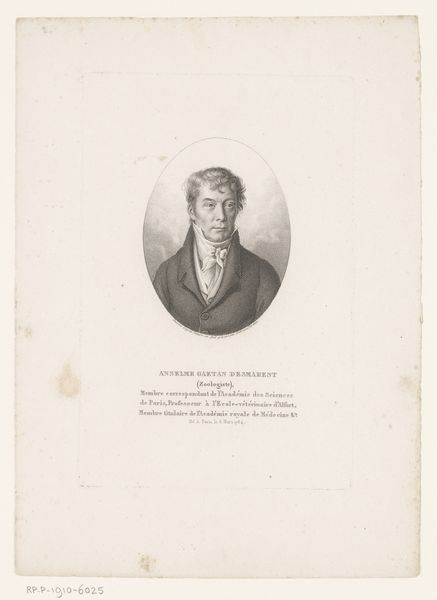
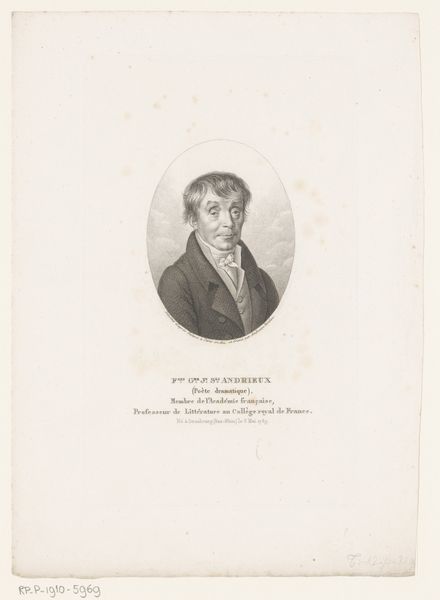
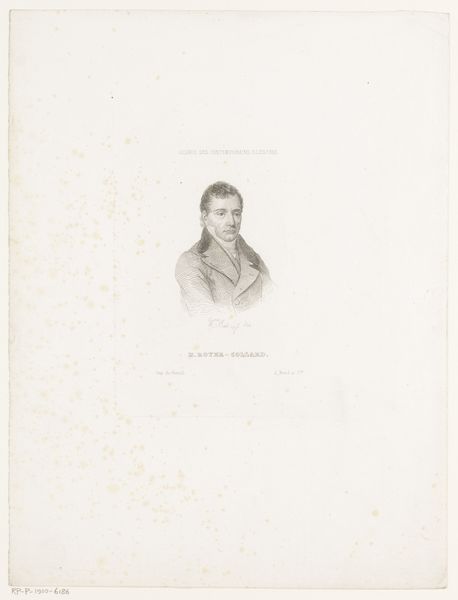
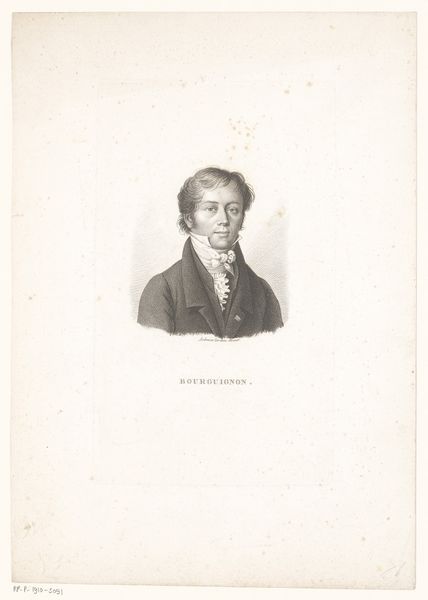
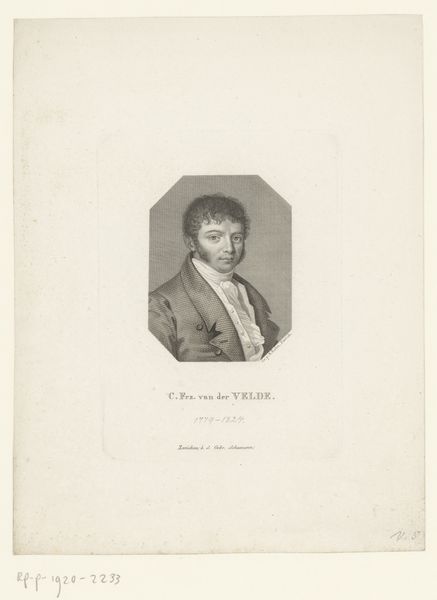
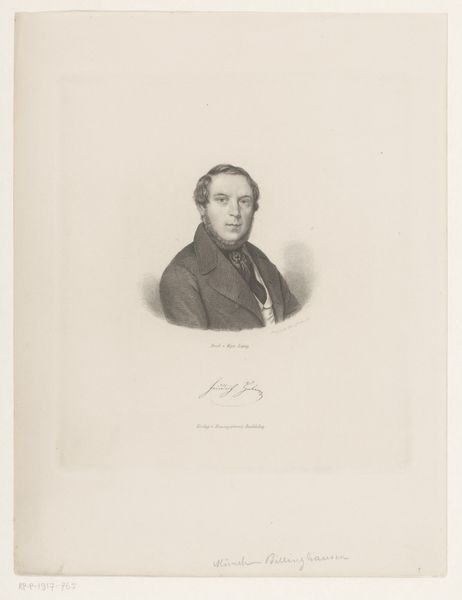
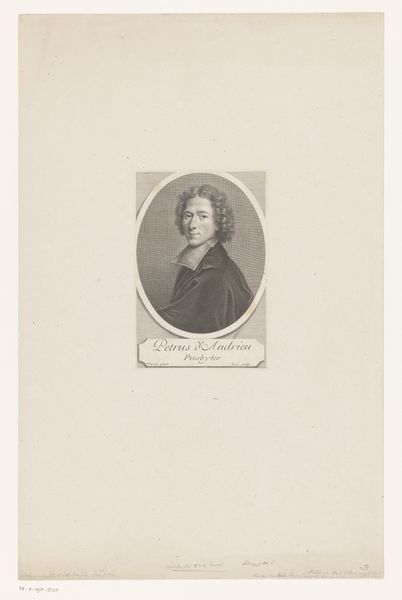
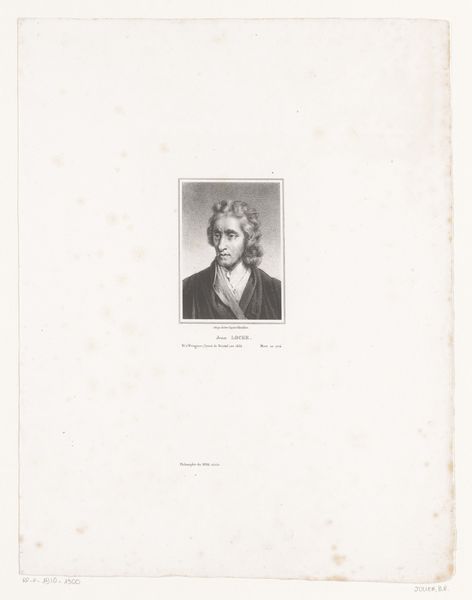
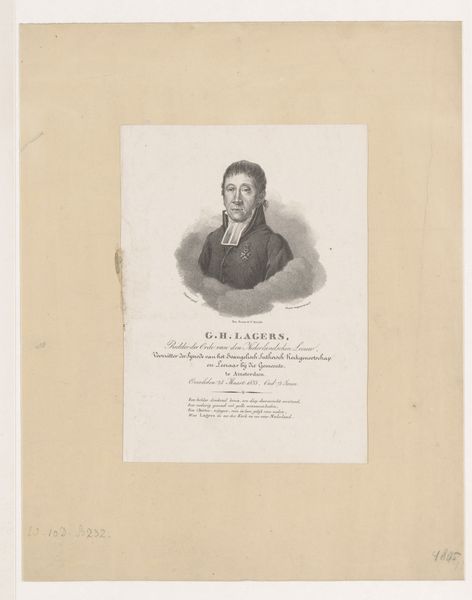
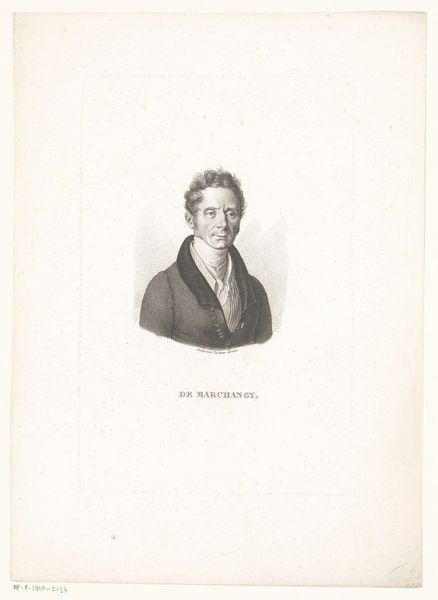
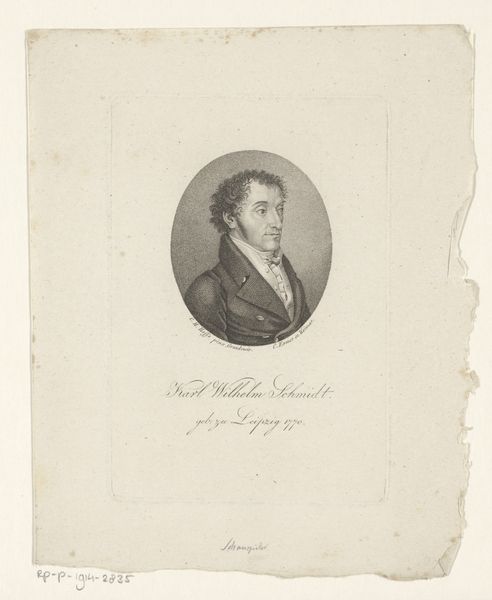
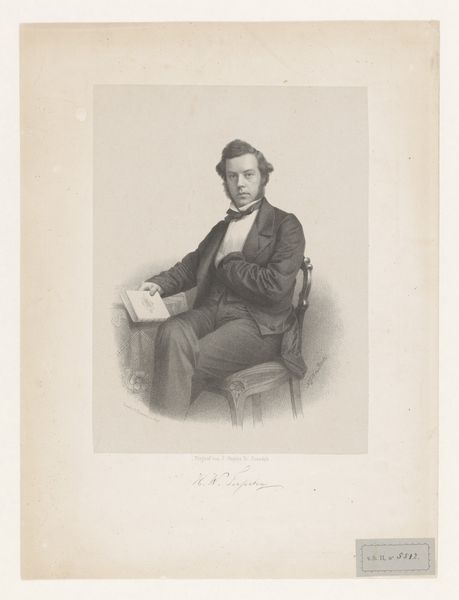
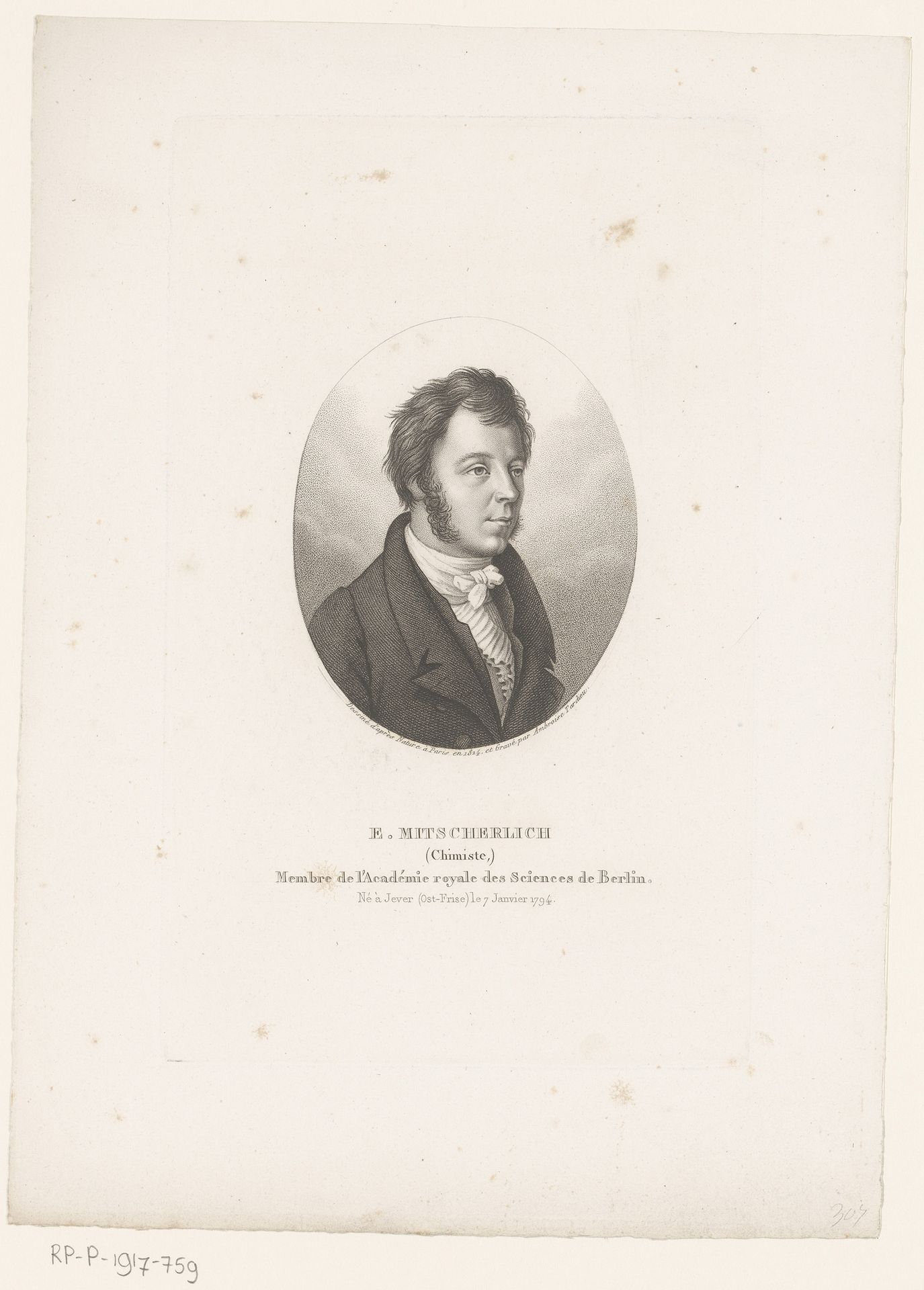
Ambroise Tardieu created this print of Eilhard Mitscherlich, a chemist and member of the Royal Academy of Sciences in Berlin. Prints like this one circulated widely in 19th-century Europe. They served to popularize science and scientists and helped to forge the scientific and academic institutions that we know today. Scientific academies were powerful institutions, and membership conferred status on its fellows. This print, made in France, makes Mitscherlich’s German affiliation clear. It also frames him in the visual language of the French aristocracy, a language borrowed from the Renaissance, and that was intended to convey power and social standing. To understand a work like this, historians investigate the institutions involved, and the cultural codes being used. The image of Mitscherlich tells us much about the self-image of science in the 1800s, and about the cultural and social conditions that made that image possible.

Artwork details
- Medium
- print, paper, engraving
- Dimensions
- height 230 mm, width 142 mm
- Copyright
- Rijks Museum: Open Domain
Tags
portrait
neoclacissism
aged paper
old engraving style
paper
engraving
Comments
No comments
About this artwork
Ambroise Tardieu created this print of Eilhard Mitscherlich, a chemist and member of the Royal Academy of Sciences in Berlin. Prints like this one circulated widely in 19th-century Europe. They served to popularize science and scientists and helped to forge the scientific and academic institutions that we know today. Scientific academies were powerful institutions, and membership conferred status on its fellows. This print, made in France, makes Mitscherlich’s German affiliation clear. It also frames him in the visual language of the French aristocracy, a language borrowed from the Renaissance, and that was intended to convey power and social standing. To understand a work like this, historians investigate the institutions involved, and the cultural codes being used. The image of Mitscherlich tells us much about the self-image of science in the 1800s, and about the cultural and social conditions that made that image possible.
Comments
No comments