About this artwork
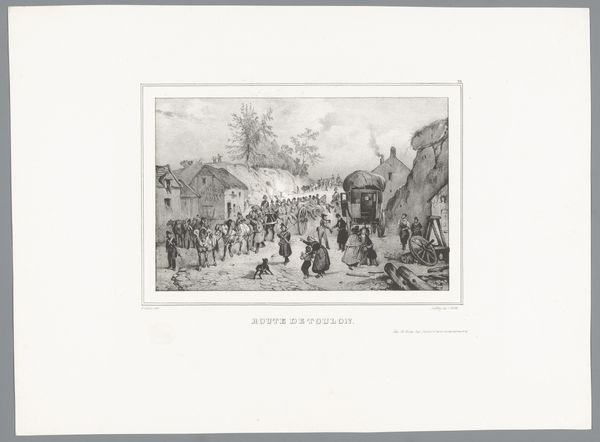
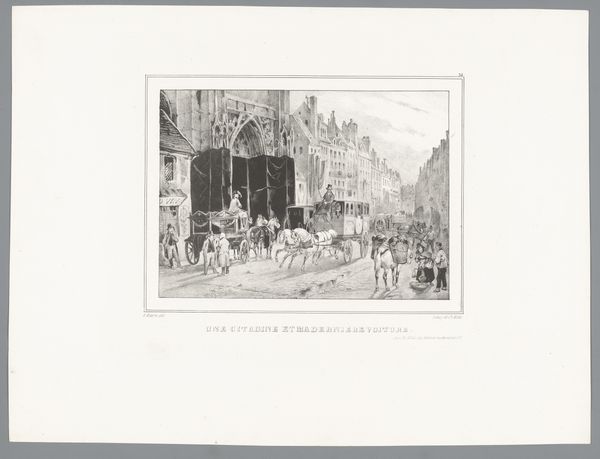
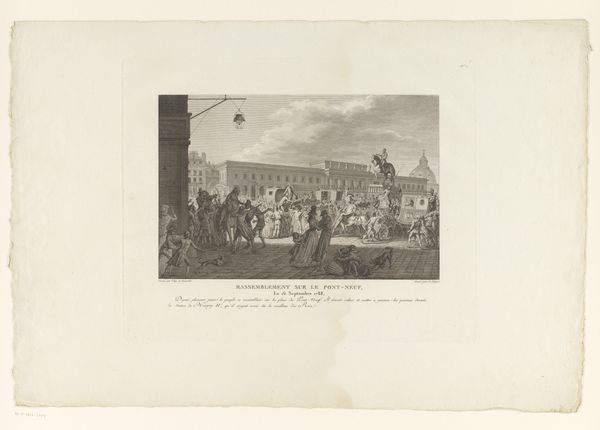
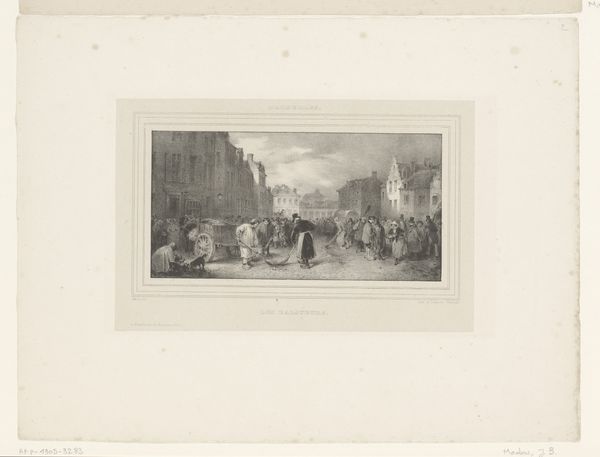
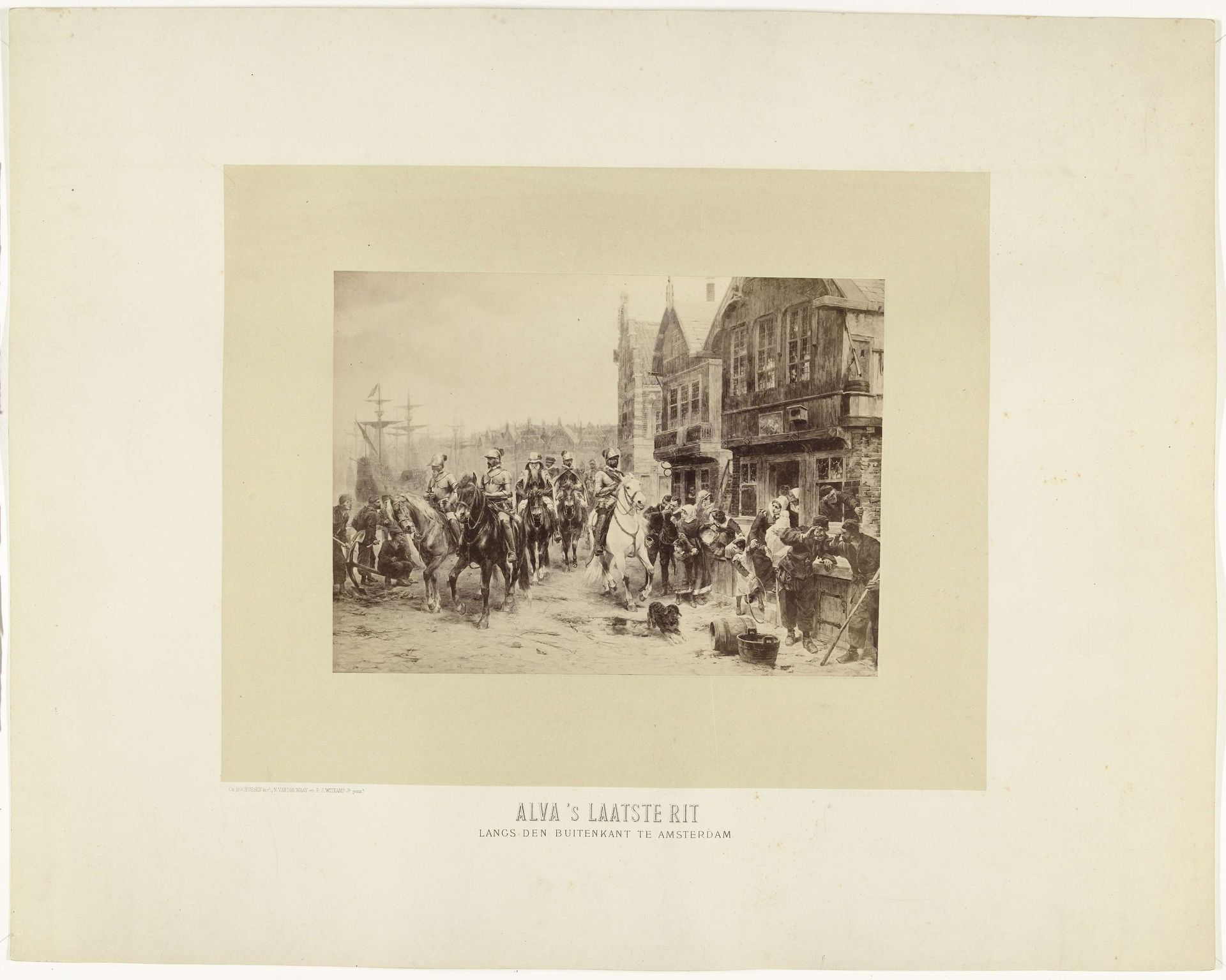
This photograph, "Hertog van Alva's laatste rit langs de Buitenkant te Amsterdam", captures a historical moment through the relatively new medium of photography. The anonymous photographer used a process that was still cutting-edge, meticulously arranging chemicals and light-sensitive materials to capture this scene. Early photography demanded immense patience and precision, with the photographer acting as both artist and technician. Every print was a testament to the photographer's skill in manipulating the materials and processes at hand. Consider the social context: photography democratized image-making. Unlike painting, which required extensive training and resources, photography offered a seemingly objective record of events and people, contributing to a broader visual culture. This image, capturing a historical moment, speaks to photography's power in shaping collective memory and challenging traditional forms of art and representation. The transition from handmade to mechanically produced images had profound implications for labor, politics, and visual consumption.
Hertog van Alva's laatste rit langs de Buitenkant te Amsterdam
c. 1870 - 1890

Anonymous
@anonymousLocation
RijksmuseumArtwork details
- Dimensions
- height 189 mm, width 258 mm
- Location
- Rijksmuseum
- Copyright
- Rijks Museum: Open Domain
Comments
Share your thoughts
About this artwork
This photograph, "Hertog van Alva's laatste rit langs de Buitenkant te Amsterdam", captures a historical moment through the relatively new medium of photography. The anonymous photographer used a process that was still cutting-edge, meticulously arranging chemicals and light-sensitive materials to capture this scene. Early photography demanded immense patience and precision, with the photographer acting as both artist and technician. Every print was a testament to the photographer's skill in manipulating the materials and processes at hand. Consider the social context: photography democratized image-making. Unlike painting, which required extensive training and resources, photography offered a seemingly objective record of events and people, contributing to a broader visual culture. This image, capturing a historical moment, speaks to photography's power in shaping collective memory and challenging traditional forms of art and representation. The transition from handmade to mechanically produced images had profound implications for labor, politics, and visual consumption.
Comments
Share your thoughts