About this artwork
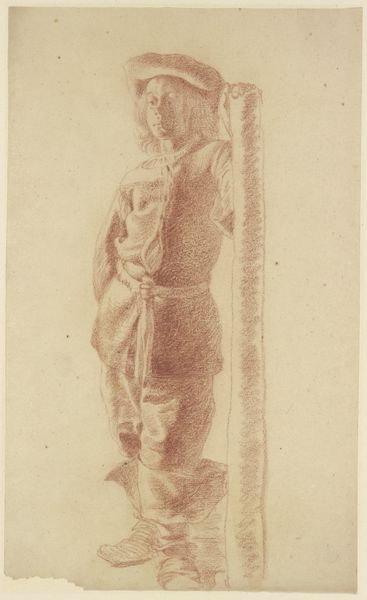
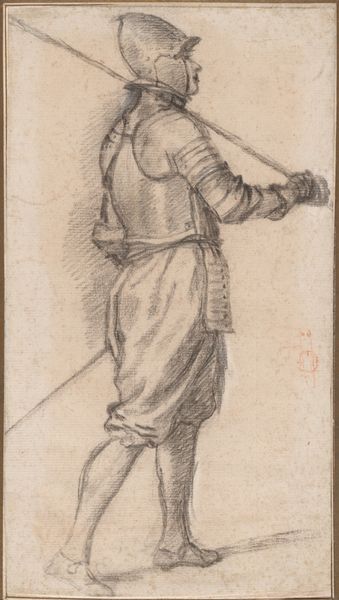
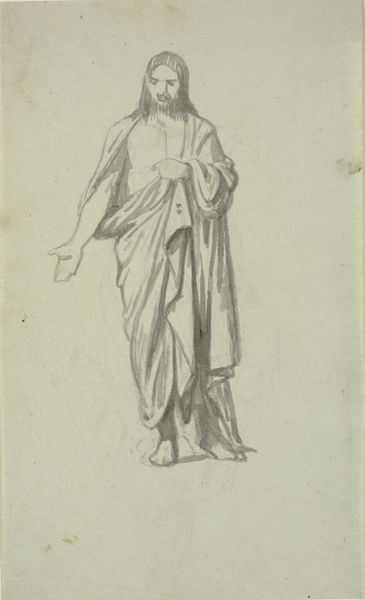
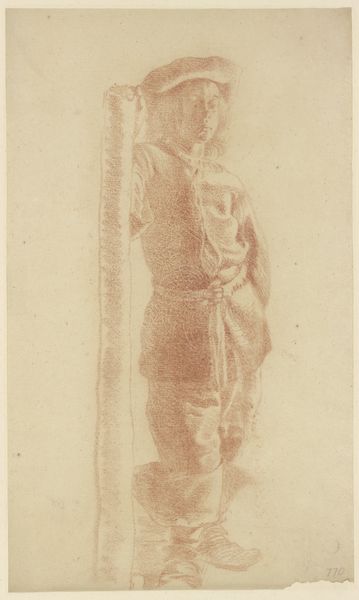
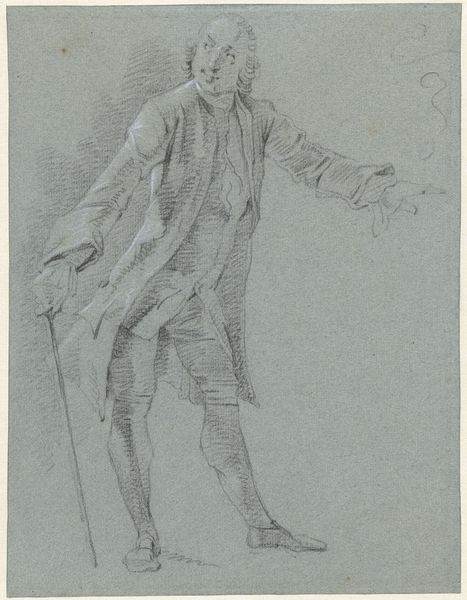
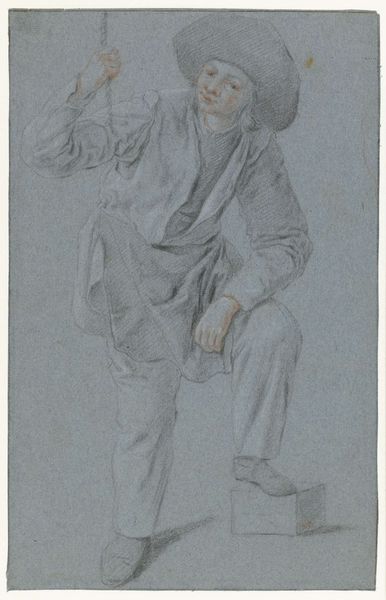
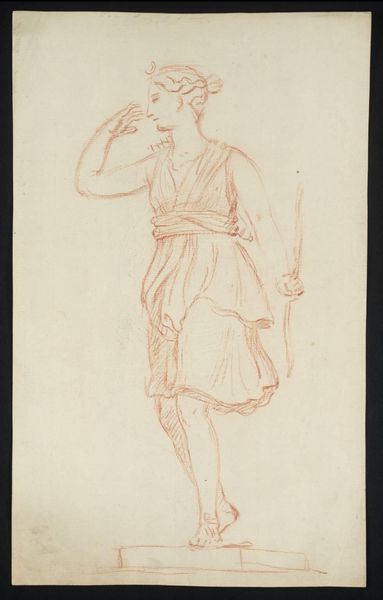
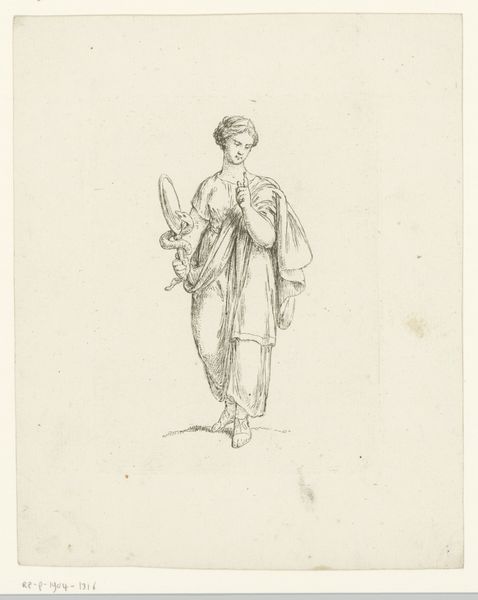
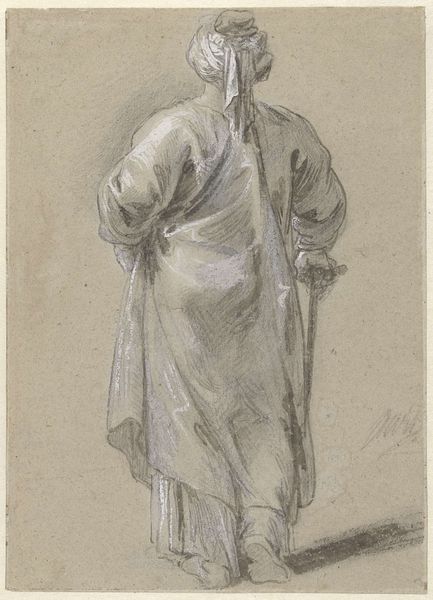
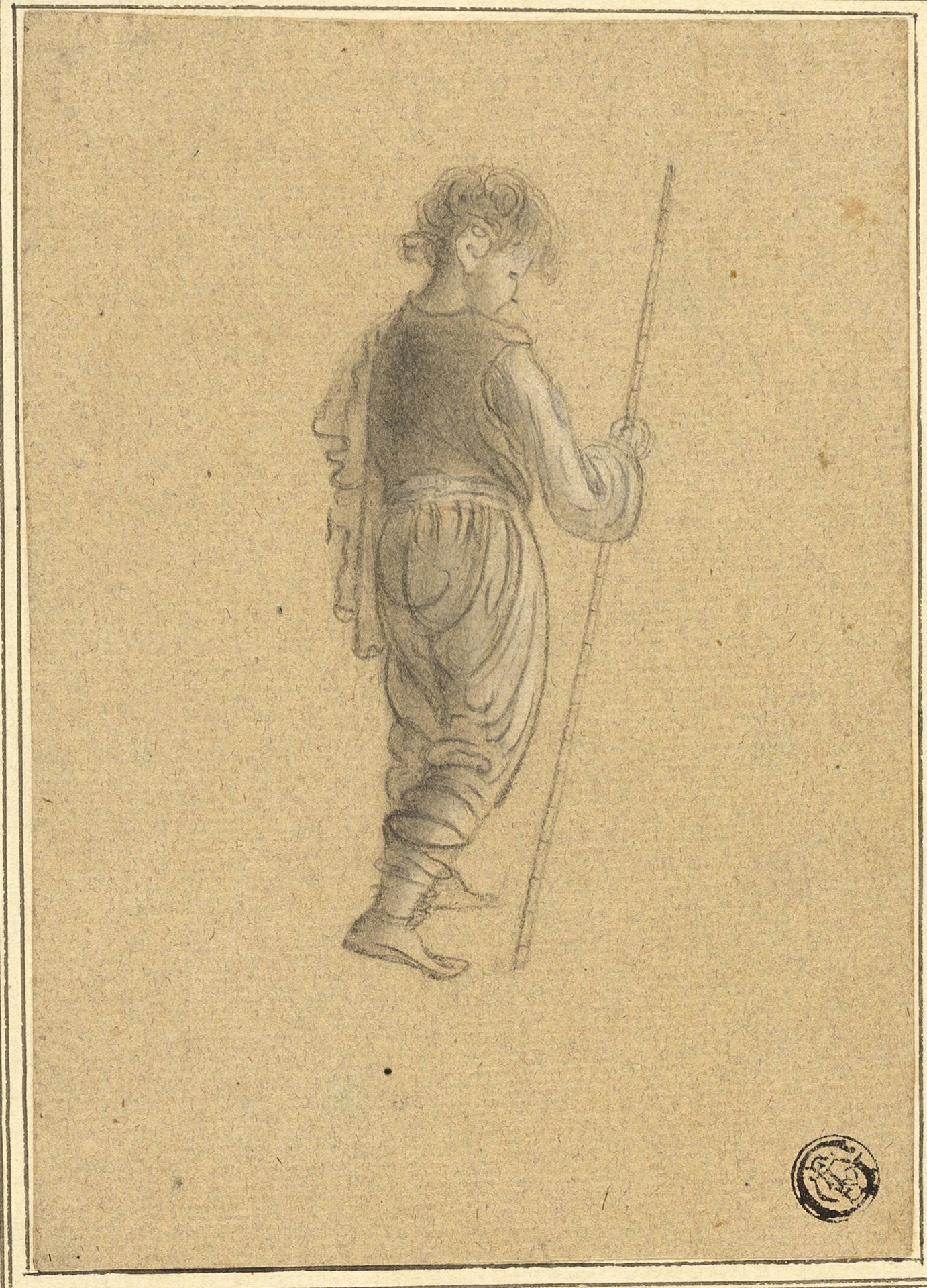
Giovanni Battista Cipriani made this drawing of a Boy with Staff at the Art Institute of Chicago using graphite on cream laid paper. Cipriani was an Italian painter and engraver, who lived in England for most of his career. In this piece, we see a young boy, his head bowed, holding a staff. His posture and dress suggest a life of labor, a stark contrast to the more romanticized portrayals of children common at the time. Cipriani, influenced by the Enlightenment's focus on naturalism and realism, captures the essence of youth shaped by societal expectations and class distinctions. Cipriani’s time was one of shifting social structures, and this drawing could be viewed as a commentary on the lives of working-class children. The boy’s downcast gaze evokes a sense of melancholy, perhaps reflecting the limited opportunities available to him. This work, while simple in its execution, invites us to consider the intersections of age, class, and identity in 18th-century society, urging us to reflect on the emotional weight carried by those on the margins.
Boy with Staff
n.d.


Artwork details
- Medium
- drawing, print, paper, pencil, chalk
- Dimensions
- 148 × 104 mm
- Location
- The Art Institute of Chicago
- Copyright
- Public Domain
Tags
Comments
Share your thoughts
About this artwork
Giovanni Battista Cipriani made this drawing of a Boy with Staff at the Art Institute of Chicago using graphite on cream laid paper. Cipriani was an Italian painter and engraver, who lived in England for most of his career. In this piece, we see a young boy, his head bowed, holding a staff. His posture and dress suggest a life of labor, a stark contrast to the more romanticized portrayals of children common at the time. Cipriani, influenced by the Enlightenment's focus on naturalism and realism, captures the essence of youth shaped by societal expectations and class distinctions. Cipriani’s time was one of shifting social structures, and this drawing could be viewed as a commentary on the lives of working-class children. The boy’s downcast gaze evokes a sense of melancholy, perhaps reflecting the limited opportunities available to him. This work, while simple in its execution, invites us to consider the intersections of age, class, and identity in 18th-century society, urging us to reflect on the emotional weight carried by those on the margins.
Comments
Share your thoughts