About this artwork
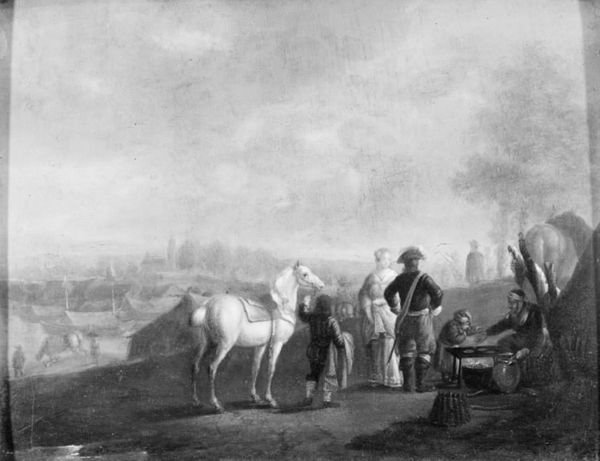
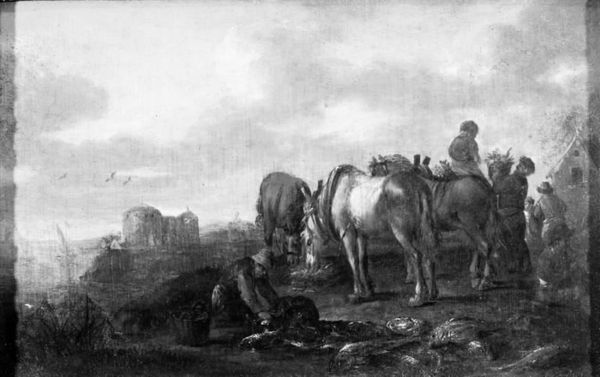
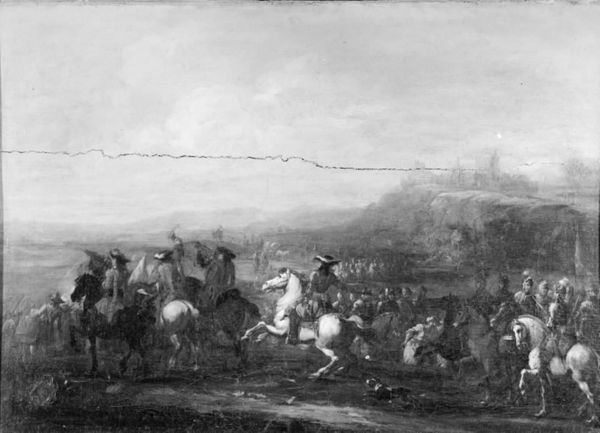
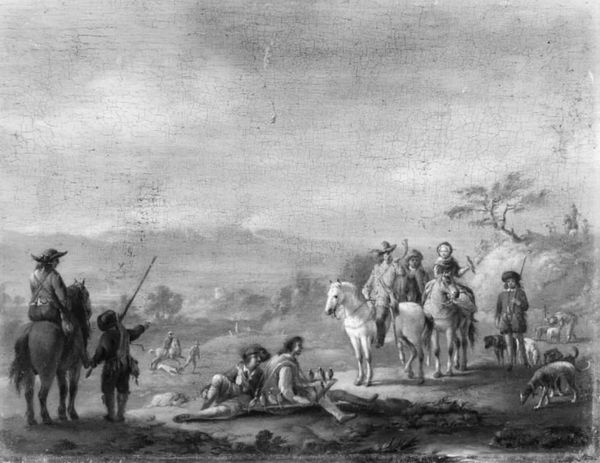
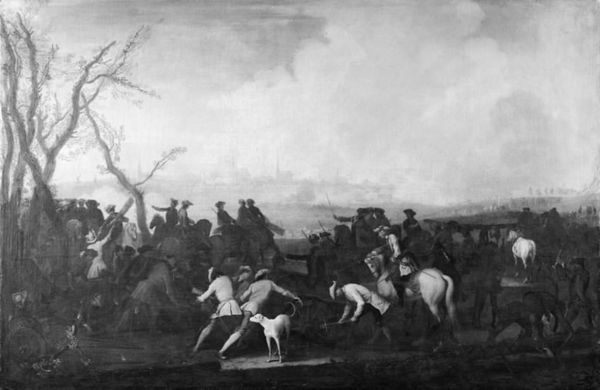
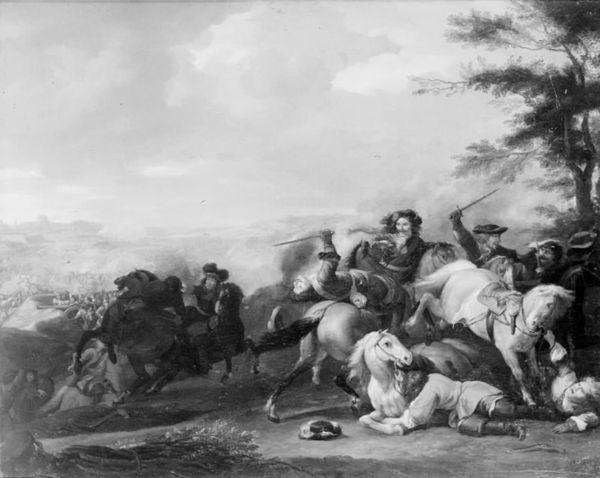
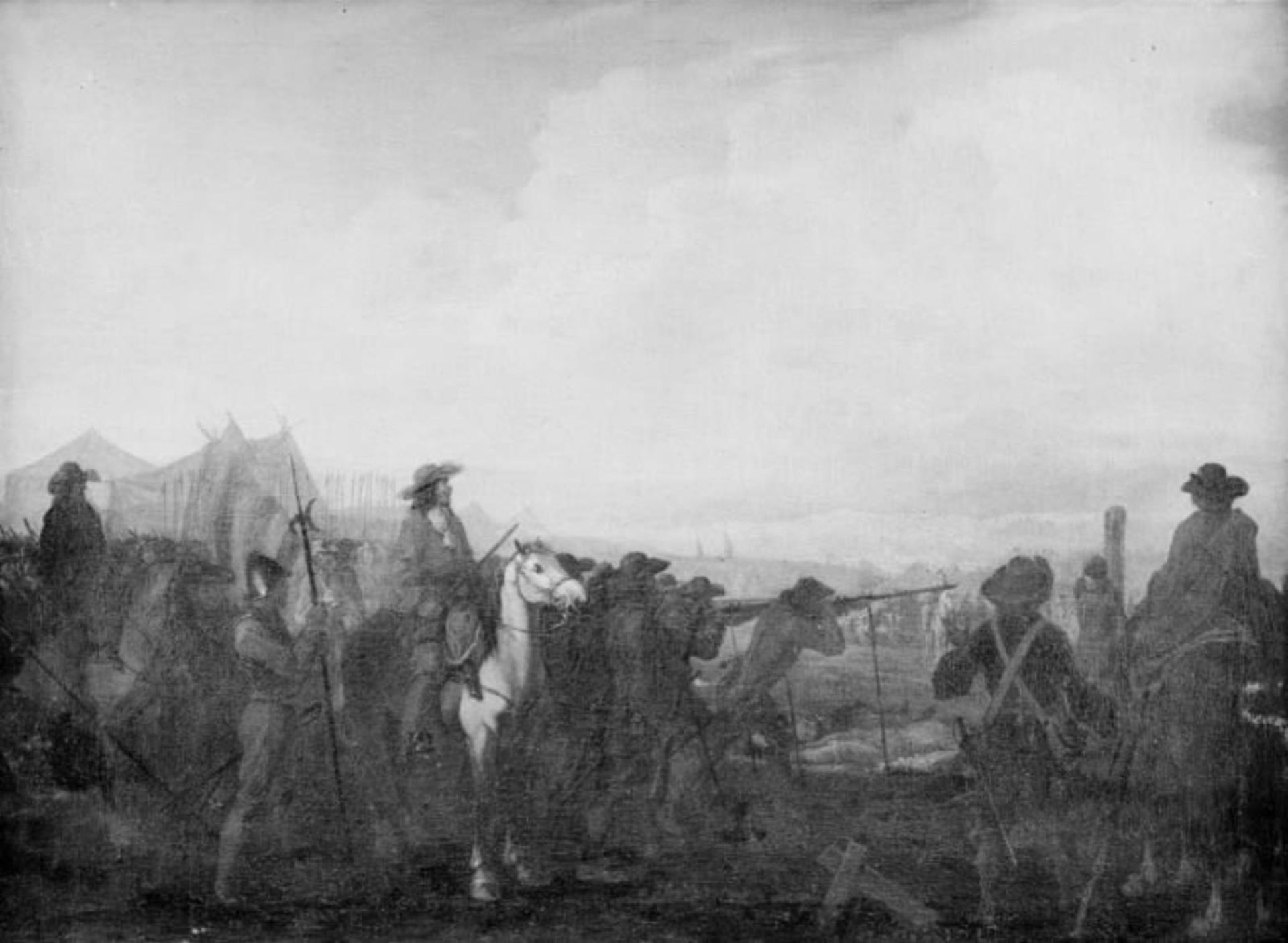
Here we see 'Execution', painted by Georg Philipp Rugendas, though its specific date remains unknown. Rugendas, who lived during a time of significant social stratification and colonial expansion, offers us a scene ripe with the tensions of power, justice, and violence. The composition stages an execution, and we find ourselves implicated in a disturbing theater of control. Rugendas, positioned as a privileged observer, invites us to witness the raw display of state power over the individual. The work bears witness to the stark realities of social control and the human cost of conflict. It doesn’t glorify but presents an unflinching look at the mechanics of domination. How does this stark portrayal of violence make you reflect on the relationship between power and personhood? What does it mean to turn someone into a spectacle in their final moments? 'Execution' challenges us to consider the ethics of representation and our role as viewers in this grim tableau.
Execution 1681 - 1737


Artwork details
- Medium
- painting
- Dimensions
- 62 cm (height) x 85 cm (width) (Netto)
- Location
- SMK - Statens Museum for Kunst
Tags
baroque
painting
landscape
figuration
history-painting
monochrome
realism
monochrome
Comments
No comments
About this artwork
Here we see 'Execution', painted by Georg Philipp Rugendas, though its specific date remains unknown. Rugendas, who lived during a time of significant social stratification and colonial expansion, offers us a scene ripe with the tensions of power, justice, and violence. The composition stages an execution, and we find ourselves implicated in a disturbing theater of control. Rugendas, positioned as a privileged observer, invites us to witness the raw display of state power over the individual. The work bears witness to the stark realities of social control and the human cost of conflict. It doesn’t glorify but presents an unflinching look at the mechanics of domination. How does this stark portrayal of violence make you reflect on the relationship between power and personhood? What does it mean to turn someone into a spectacle in their final moments? 'Execution' challenges us to consider the ethics of representation and our role as viewers in this grim tableau.
Comments
No comments