c. 19th century
Pulchari (veil)


Listen to curator's interpretation
Curatorial notes
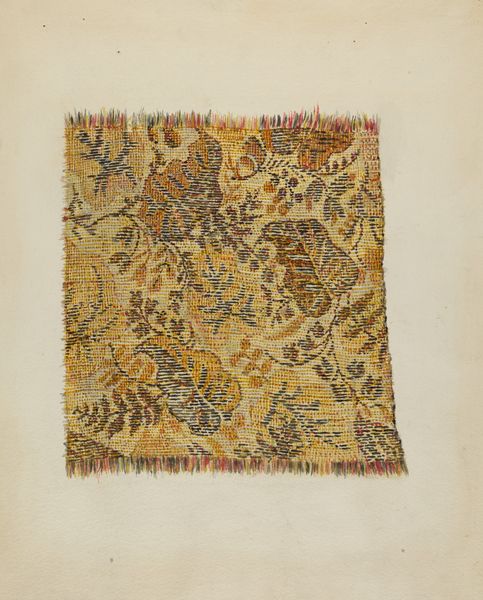
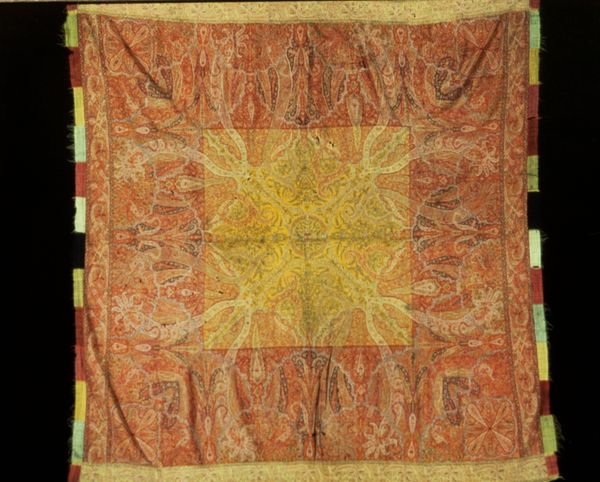
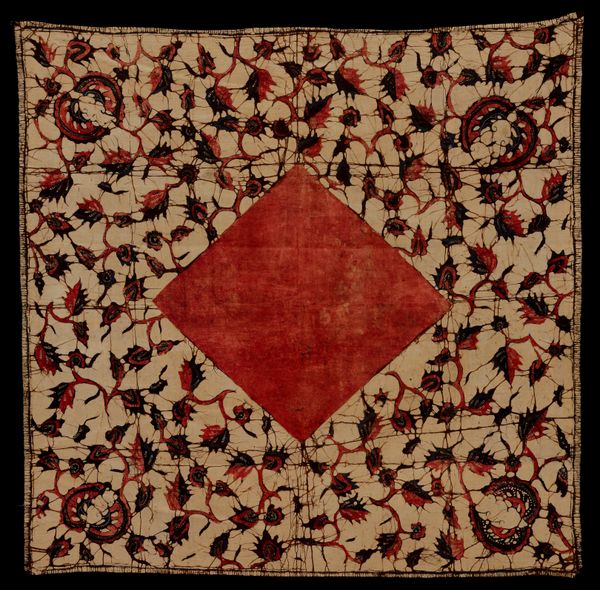
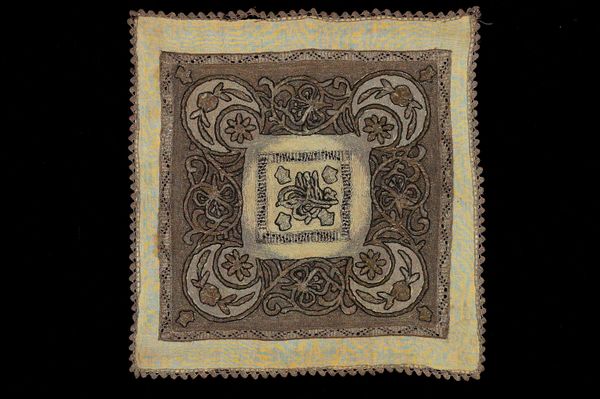
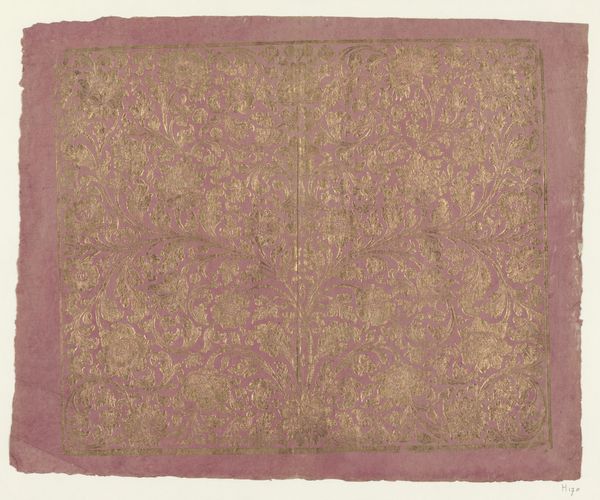
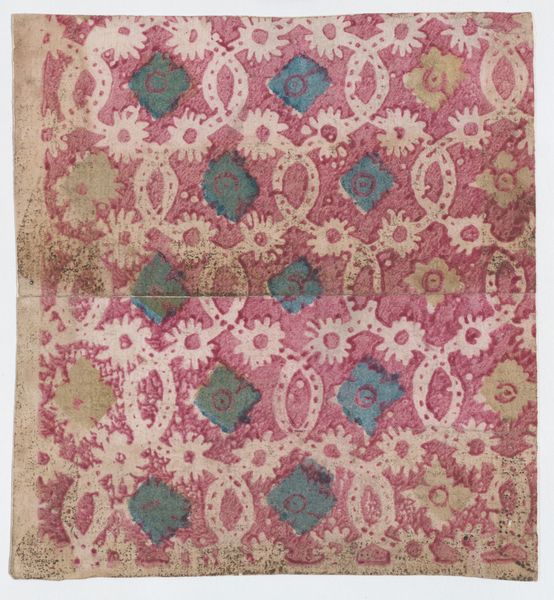
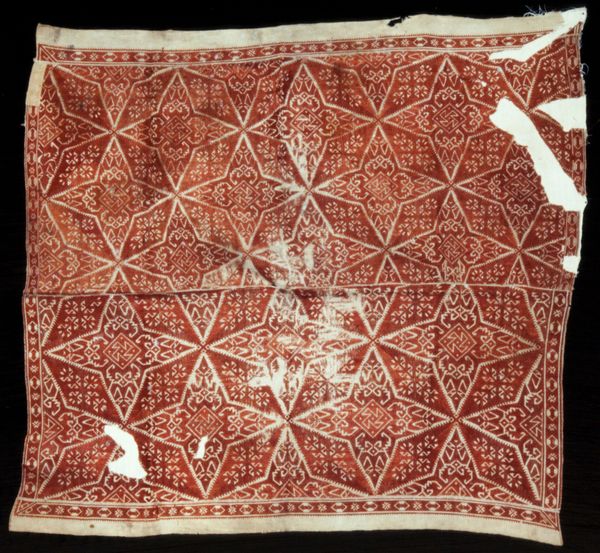
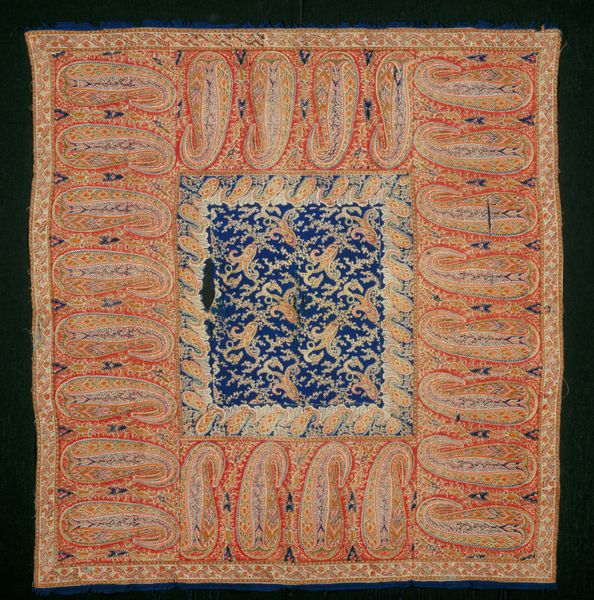
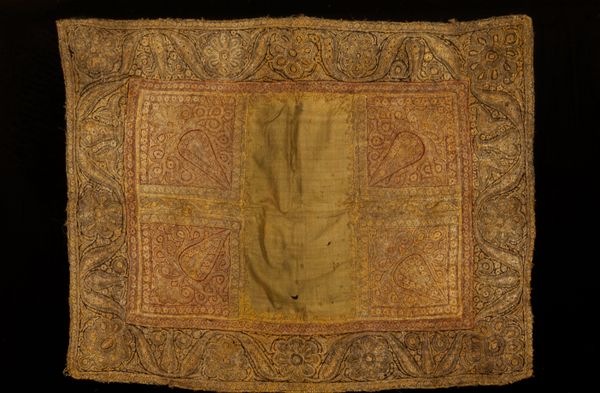
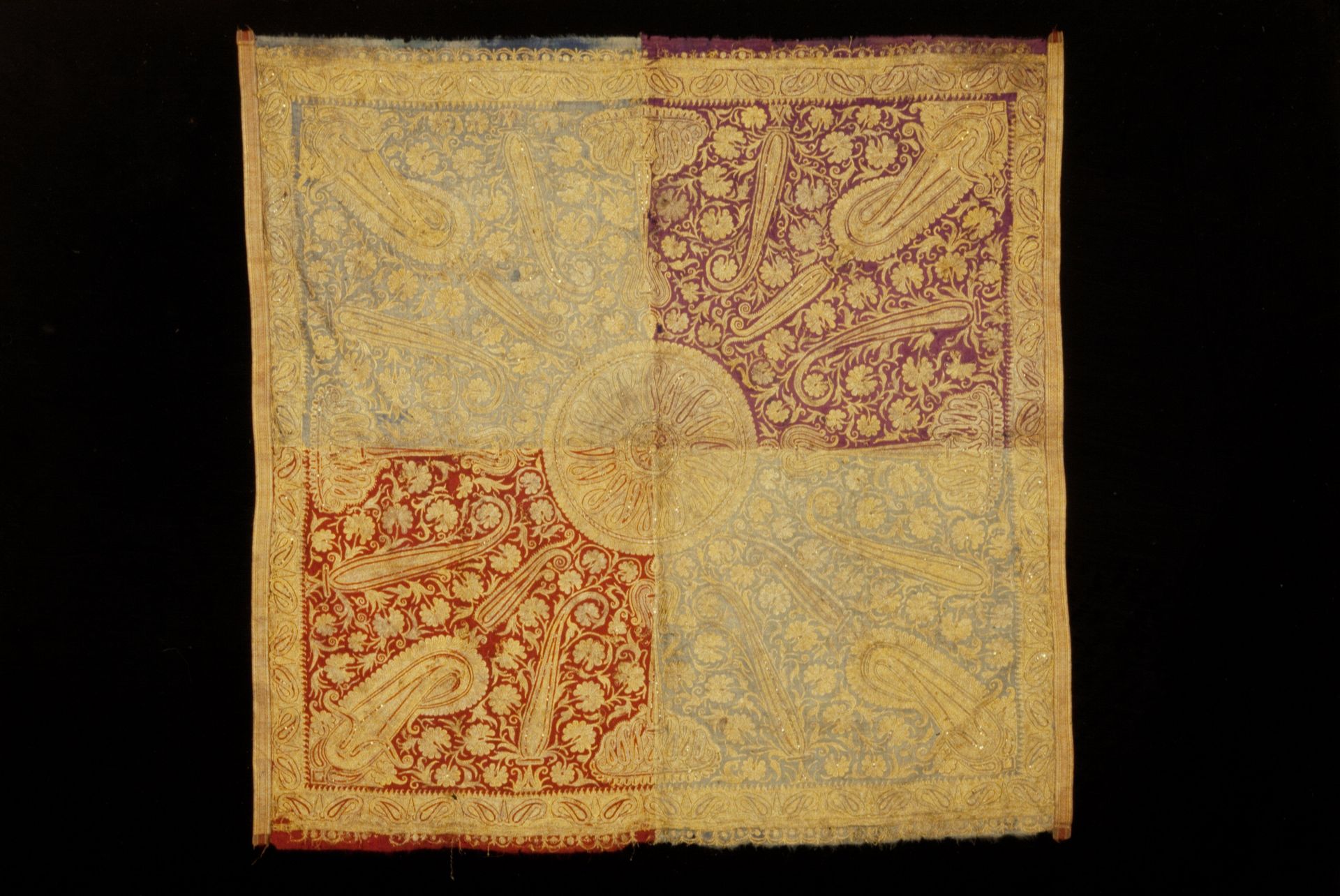
This is a Pulchari, or veil, made anonymously, likely in India, using embroidery on cotton. The material qualities here speak volumes. Notice the tightly packed stitches, building up stylized botanical patterns and paisley motifs, giving a rich and sensuous texture to the cloth. This wasn't just about decoration; it was about transforming an everyday material, cotton, into a precious object. The patient, skilled labour involved is evident. Consider the social context: Pulcharis like this were often part of a woman’s dowry, representing not just personal wealth but also the skill and artistry of the maker, probably a woman, and her family. Textiles like this existed within complex economies of production, trade, and consumption, tying together local craft traditions with global markets. Thinking about the Pulchari in this way – as a convergence of material, making, and social context – helps us move beyond simply admiring its beauty. We begin to understand its deeper cultural significance, challenging the traditional divide between art and craft.