About this artwork
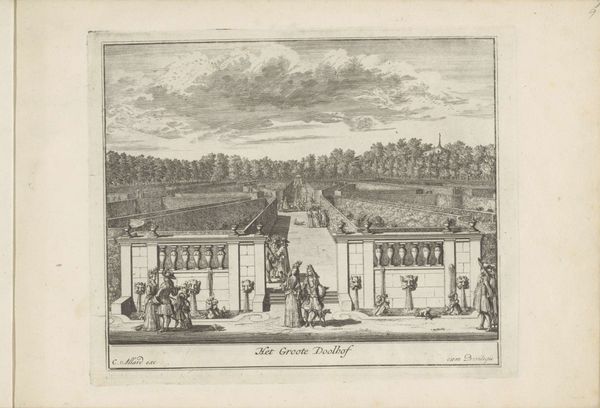
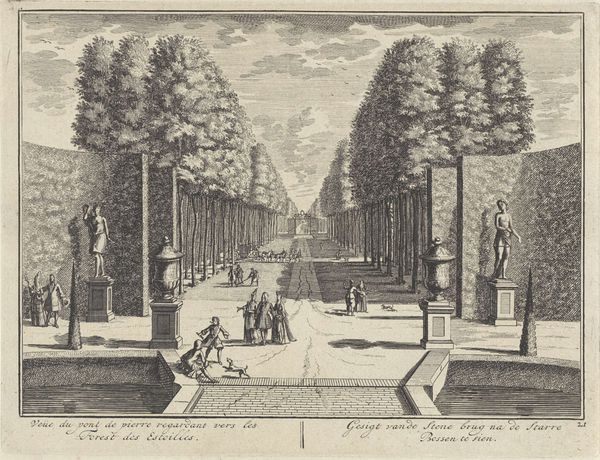
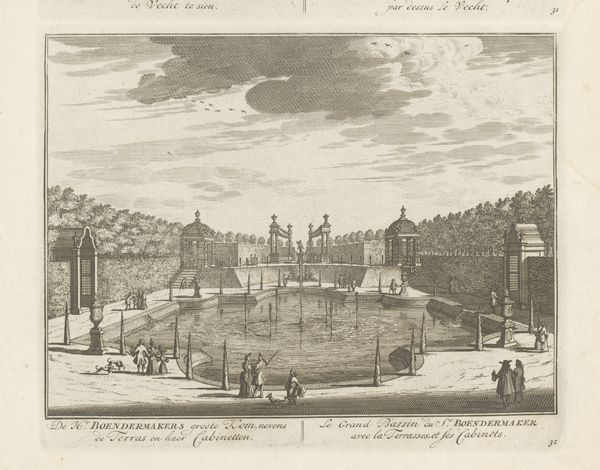
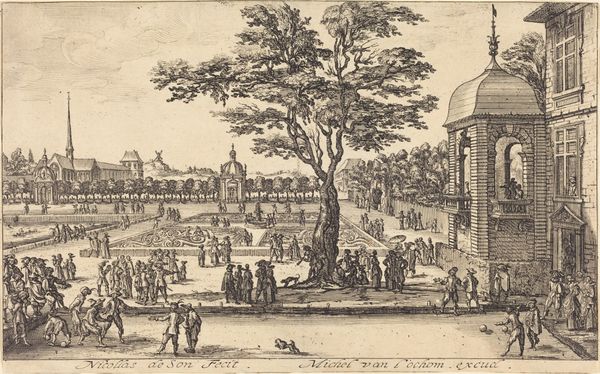
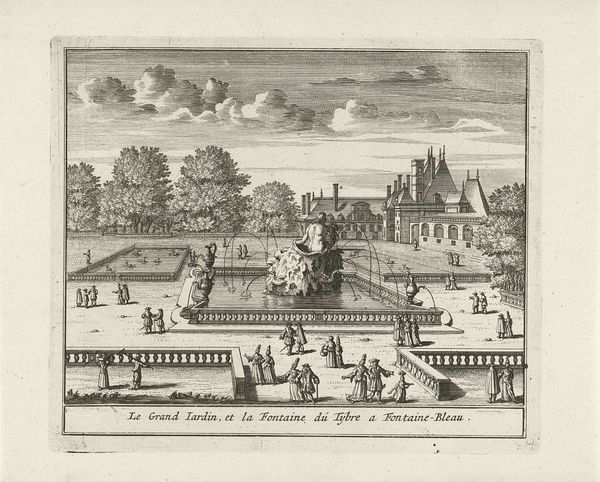
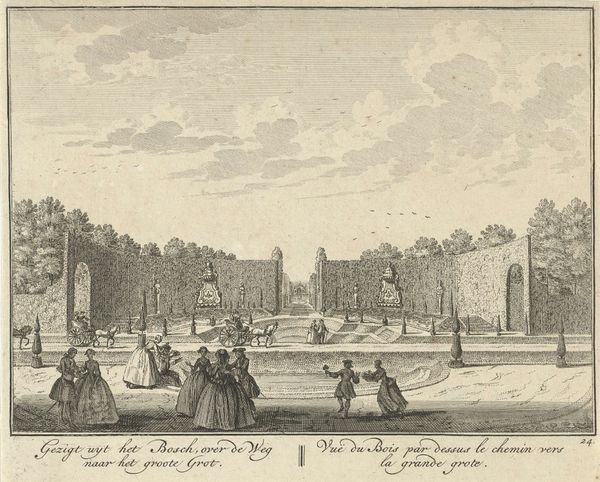
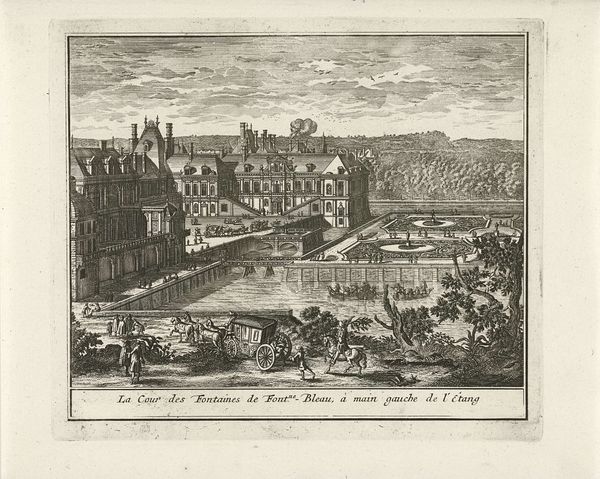
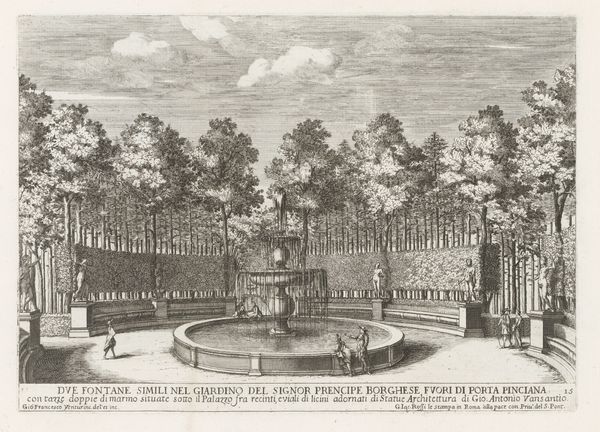
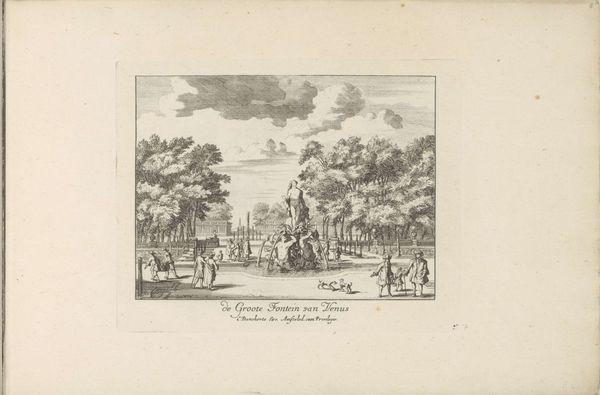
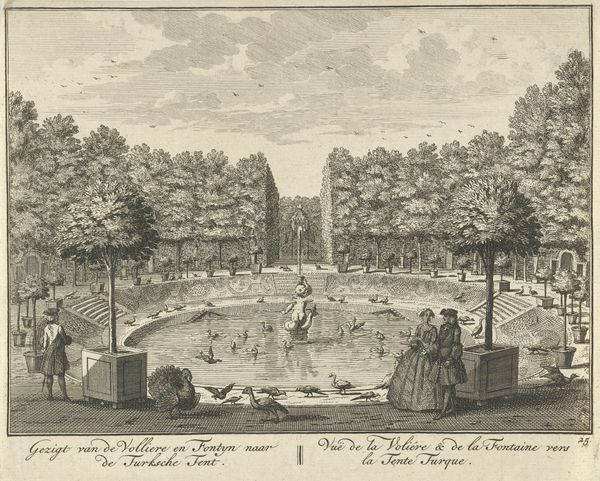
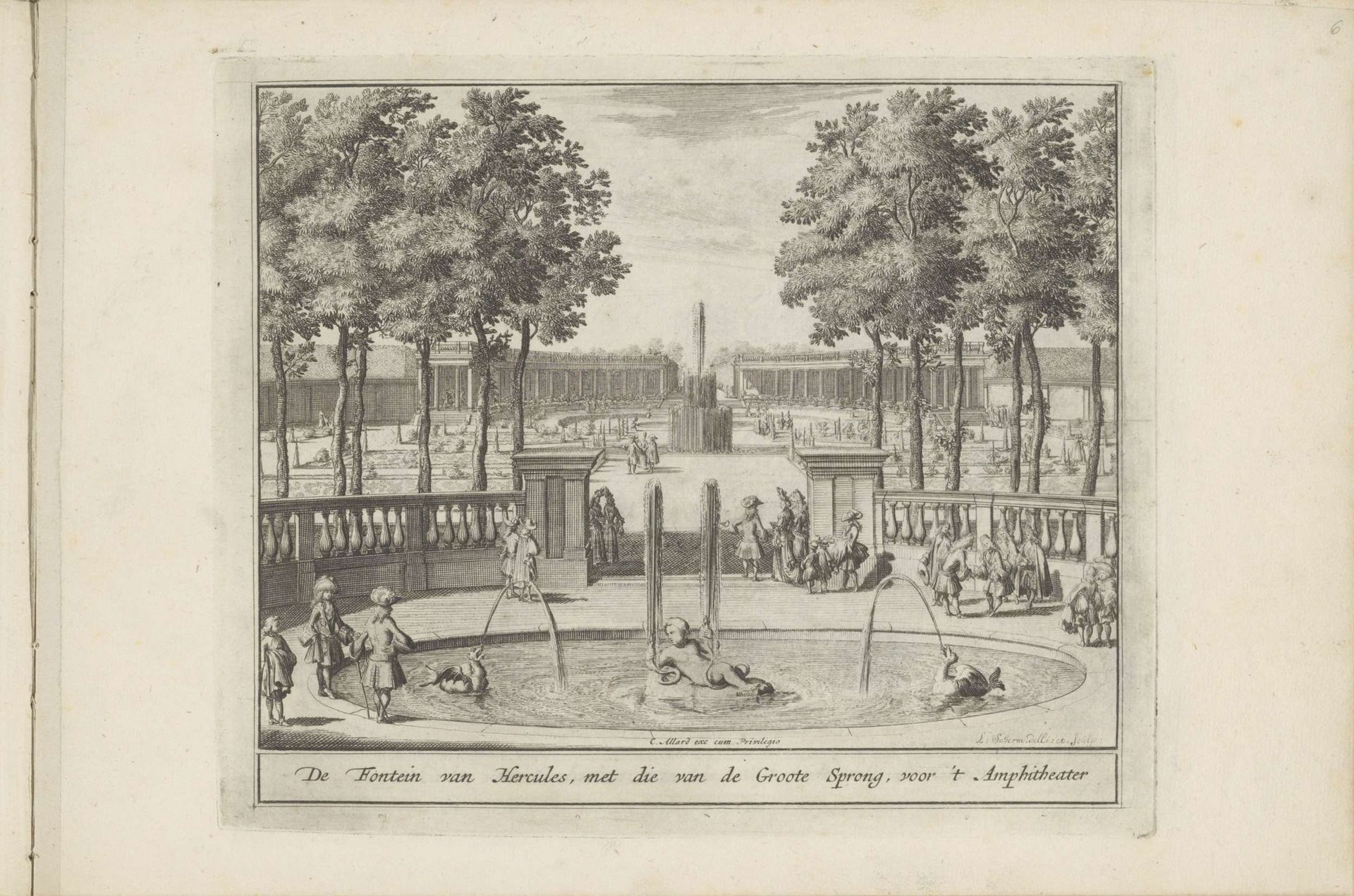
This is Laurens Scherm’s rendering of the Fountain of Hercules in the garden of Paleis Het Loo, etched some time before his death in 1702. The palace, built in the late 17th century, embodies the ambitions of the Dutch Stadtholder William III, later King of England. Gardens in this era weren't just for leisure; they were powerful symbols of control and order. Scherm’s print captures the carefully planned symmetry of Het Loo, reflecting a desire to tame nature, much like the figures in the ruling class sought to organize society. The fountain itself, dedicated to Hercules, is more than just a decoration. Hercules, the mythological hero known for his strength and labors, can be seen as an allegory for leadership, and perhaps for William III's own aspirations. Look closely, and you’ll see people from different social strata strolling in the garden. What might their experiences have been? Were these gardens, designed to impress, also places of exclusion? Scherm’s print invites us to consider the complex relationship between power, representation, and the everyday lives of people in the Dutch Golden Age.
Fontein van Hercules in de tuin van Paleis Het Loo
1689 - 1702

Laurens Scherm
1671 - 1702Location
RijksmuseumArtwork details
- Medium
- engraving
- Dimensions
- height 172 mm, width 206 mm
- Location
- Rijksmuseum
- Copyright
- Rijks Museum: Open Domain
Tags
baroque
landscape
engraving
Comments
Be the first to share your thoughts about this work.
About this artwork
This is Laurens Scherm’s rendering of the Fountain of Hercules in the garden of Paleis Het Loo, etched some time before his death in 1702. The palace, built in the late 17th century, embodies the ambitions of the Dutch Stadtholder William III, later King of England. Gardens in this era weren't just for leisure; they were powerful symbols of control and order. Scherm’s print captures the carefully planned symmetry of Het Loo, reflecting a desire to tame nature, much like the figures in the ruling class sought to organize society. The fountain itself, dedicated to Hercules, is more than just a decoration. Hercules, the mythological hero known for his strength and labors, can be seen as an allegory for leadership, and perhaps for William III's own aspirations. Look closely, and you’ll see people from different social strata strolling in the garden. What might their experiences have been? Were these gardens, designed to impress, also places of exclusion? Scherm’s print invites us to consider the complex relationship between power, representation, and the everyday lives of people in the Dutch Golden Age.
Comments
Be the first to share your thoughts about this work.