About this artwork
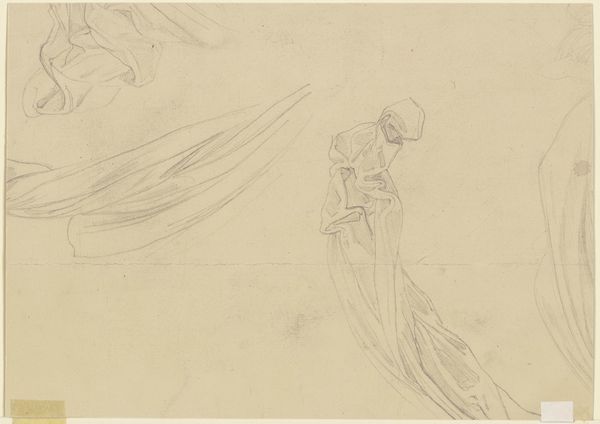
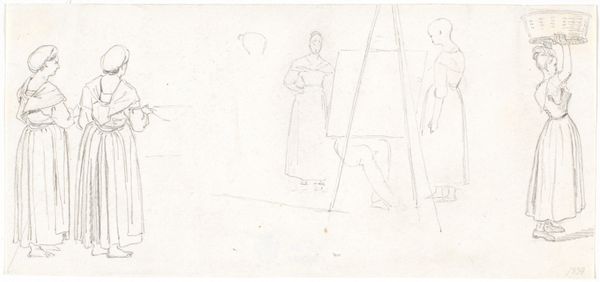
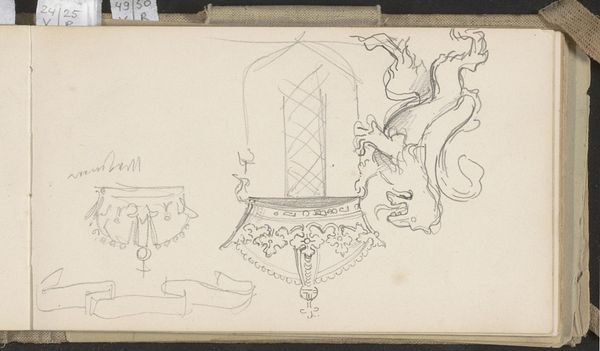
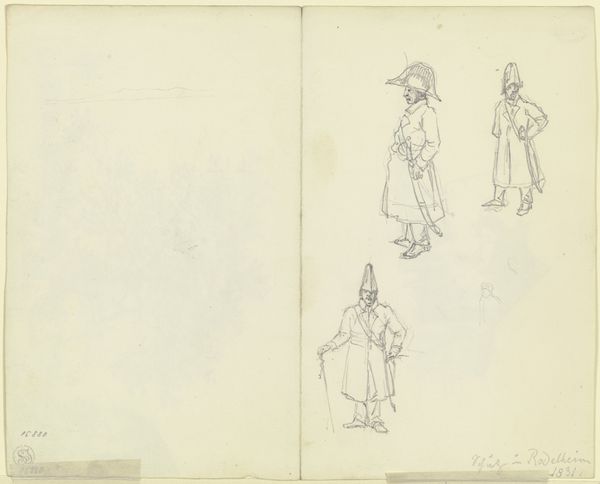
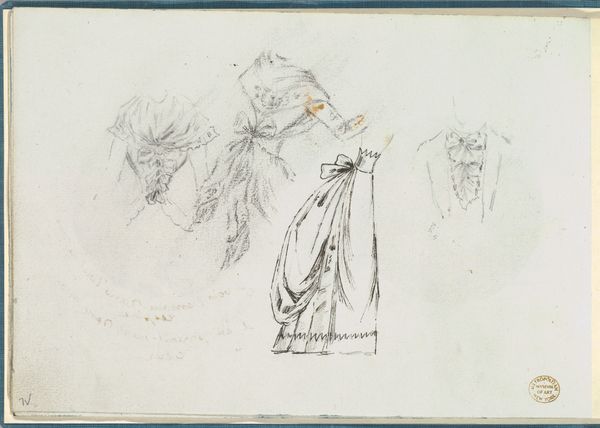
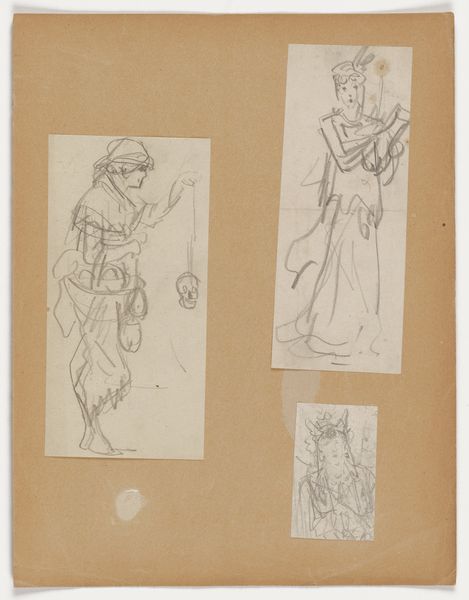
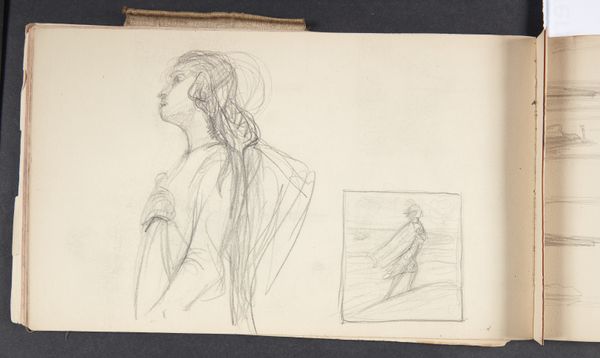
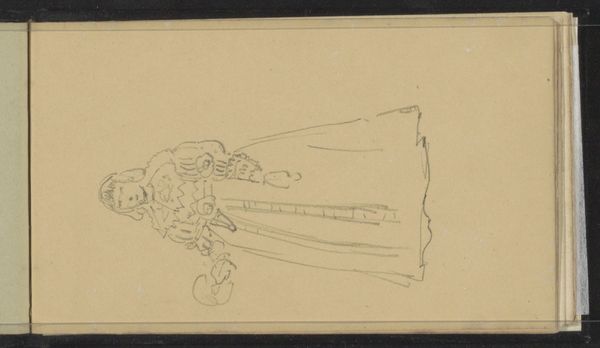
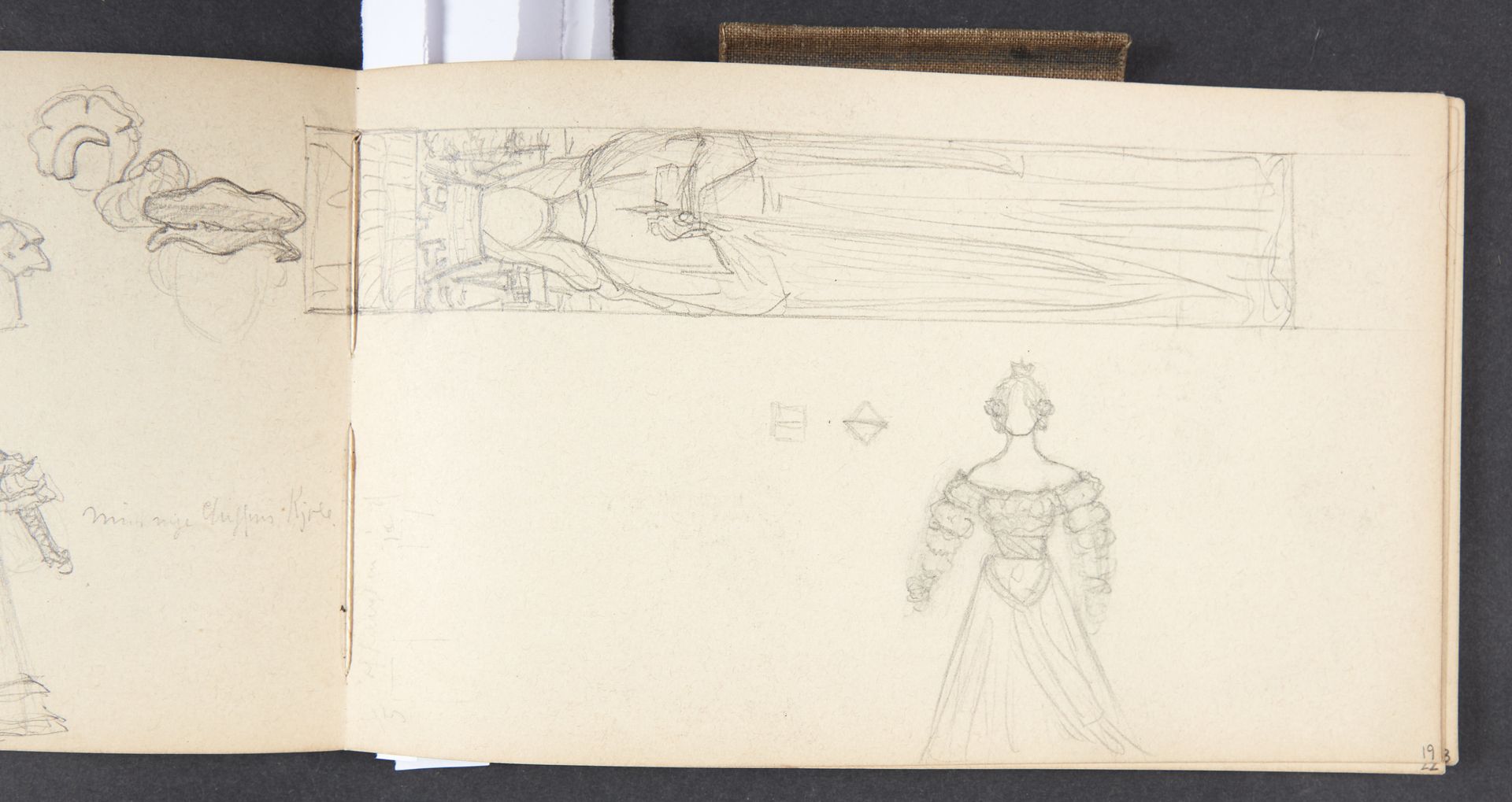
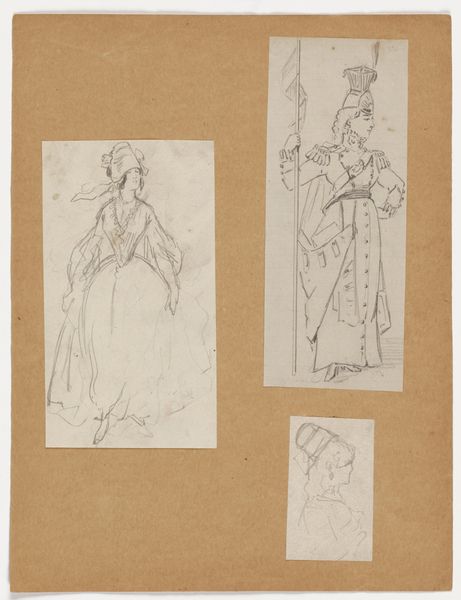
Agnes Slott-Møller sketched "Two Studies of Women in Medieval Clothes, one with a Crown on her Head" using graphite on paper. Living in a time of burgeoning nationalism, Slott-Møller found herself amidst a cultural landscape that often idealized historical or mythical narratives. The sketch gives us a peek into the artist’s process of developing characters, perhaps for a larger painting, or as studies of historical garments. In viewing these women, one crowned and adorned in medieval attire, we might ask ourselves what these figures meant to Slott-Møller. Were they symbols of power, femininity, or perhaps a longing for a bygone era? Slott-Møller, working in a male-dominated art world, often portrayed strong female characters inspired by Danish folklore and history. What stories were important to her? What statements was she trying to make about female identity? This sketch isn’t just a study of medieval fashion; it’s an exploration of how women are seen, remembered, and represented.
To studier af kvinder i middelalderlige klæder, den ene med krone på hovedet
1897 - 1898
Artwork details
- Medium
- drawing, pencil
- Dimensions
- 121 mm (height) x 207 mm (width) x 90 mm (depth) (monteringsmaal), 126 mm (height) x 207 mm (width) (bladmaal)
- Location
- SMK - Statens Museum for Kunst
Tags
Comments
Share your thoughts
About this artwork
Agnes Slott-Møller sketched "Two Studies of Women in Medieval Clothes, one with a Crown on her Head" using graphite on paper. Living in a time of burgeoning nationalism, Slott-Møller found herself amidst a cultural landscape that often idealized historical or mythical narratives. The sketch gives us a peek into the artist’s process of developing characters, perhaps for a larger painting, or as studies of historical garments. In viewing these women, one crowned and adorned in medieval attire, we might ask ourselves what these figures meant to Slott-Møller. Were they symbols of power, femininity, or perhaps a longing for a bygone era? Slott-Møller, working in a male-dominated art world, often portrayed strong female characters inspired by Danish folklore and history. What stories were important to her? What statements was she trying to make about female identity? This sketch isn’t just a study of medieval fashion; it’s an exploration of how women are seen, remembered, and represented.
Comments
Share your thoughts