About this artwork
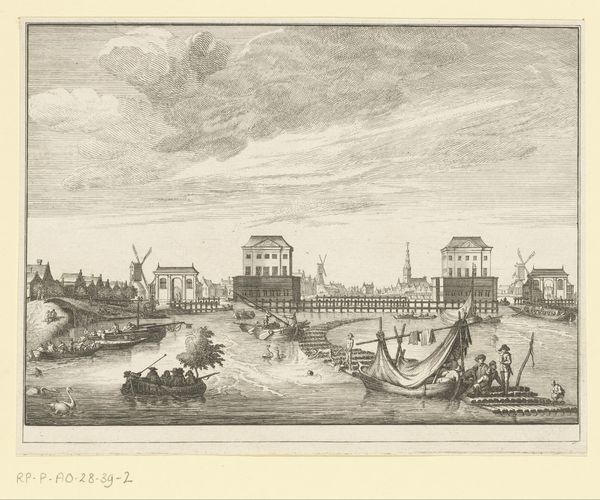
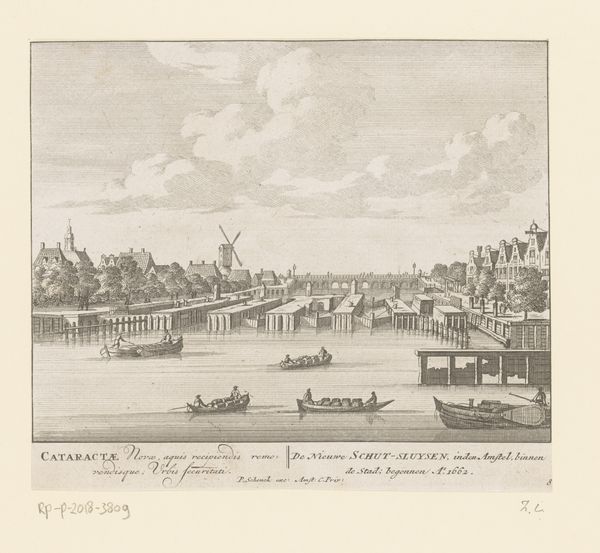
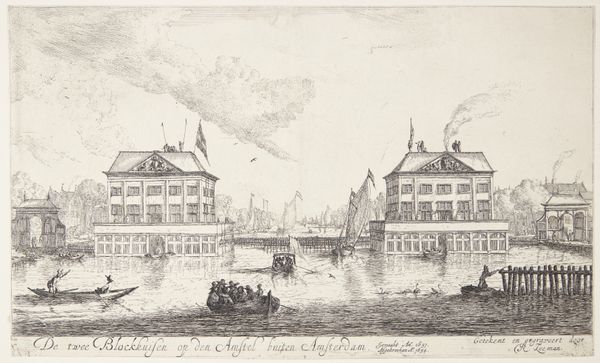
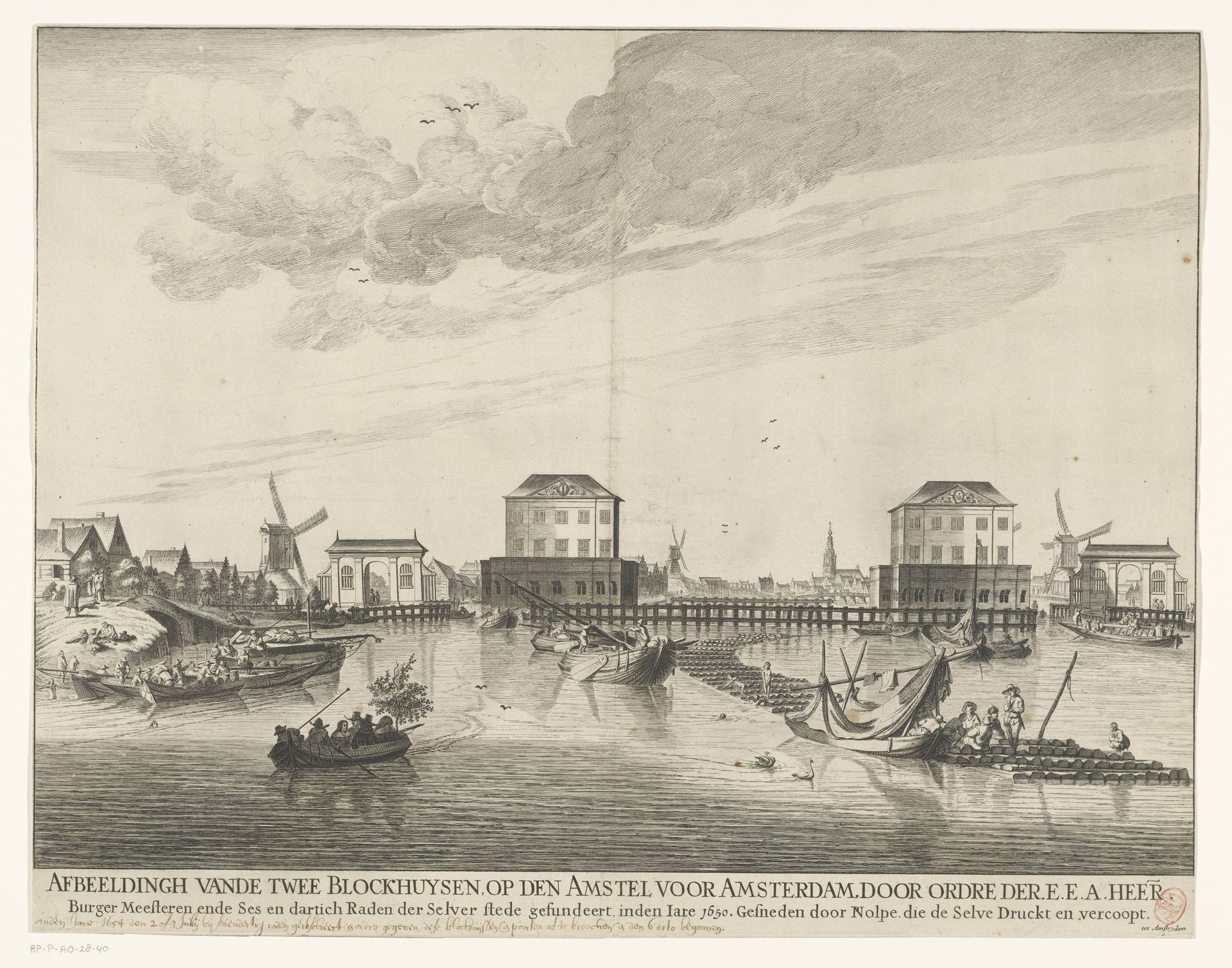
Pieter Nolpe’s etching from 1651 to 1654, depicts a view of the two Blockhouses on the Amstel River. It was a time when Amsterdam was experiencing unprecedented economic and urban growth as a global trade hub, and this image is a portrait of the city’s ambitions. The Blockhouses themselves, built on the Amstel, were more than just buildings; they symbolized Amsterdam’s authority and control over its waterways. The print emphasizes the city's investment in infrastructure, which facilitated trade and commerce but also reinforced power structures. Look at the people in the boats; who are they? What are they transporting? The Blockhouses ensured safe passage for merchants and goods, but at what cost? We might consider the ways in which the city's prosperity was built on the labor and exploitation of others, both locally and globally. Nolpe’s print invites us to consider the complexities of Amsterdam’s Golden Age. Nolpe offers not just a landscape, but a reflection on power, prosperity, and the human stories interwoven into the urban fabric.
Gezicht op de twee Blokhuizen in de Amstel, 1651-1654
1651 - 1654

Pieter Nolpe
1613 - 1614Location
RijksmuseumArtwork details
- Medium
- print, etching, engraving
- Dimensions
- height 408 mm, width 524 mm
- Location
- Rijksmuseum
- Copyright
- Rijks Museum: Open Domain
Tags
Comments
Share your thoughts
About this artwork
Pieter Nolpe’s etching from 1651 to 1654, depicts a view of the two Blockhouses on the Amstel River. It was a time when Amsterdam was experiencing unprecedented economic and urban growth as a global trade hub, and this image is a portrait of the city’s ambitions. The Blockhouses themselves, built on the Amstel, were more than just buildings; they symbolized Amsterdam’s authority and control over its waterways. The print emphasizes the city's investment in infrastructure, which facilitated trade and commerce but also reinforced power structures. Look at the people in the boats; who are they? What are they transporting? The Blockhouses ensured safe passage for merchants and goods, but at what cost? We might consider the ways in which the city's prosperity was built on the labor and exploitation of others, both locally and globally. Nolpe’s print invites us to consider the complexities of Amsterdam’s Golden Age. Nolpe offers not just a landscape, but a reflection on power, prosperity, and the human stories interwoven into the urban fabric.
Comments
Share your thoughts