About this artwork
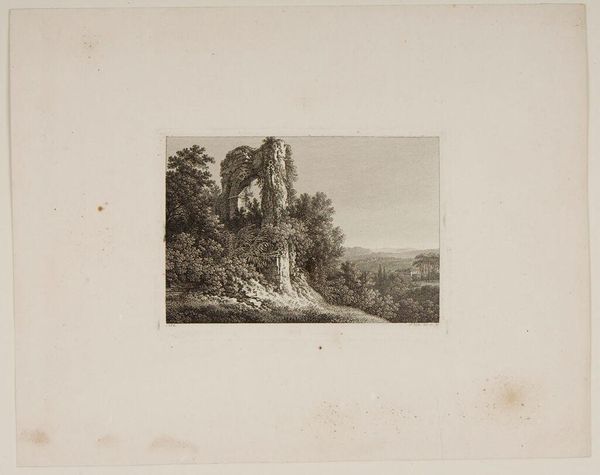
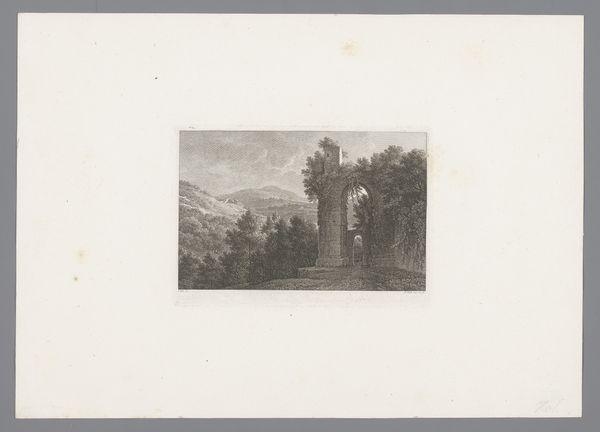
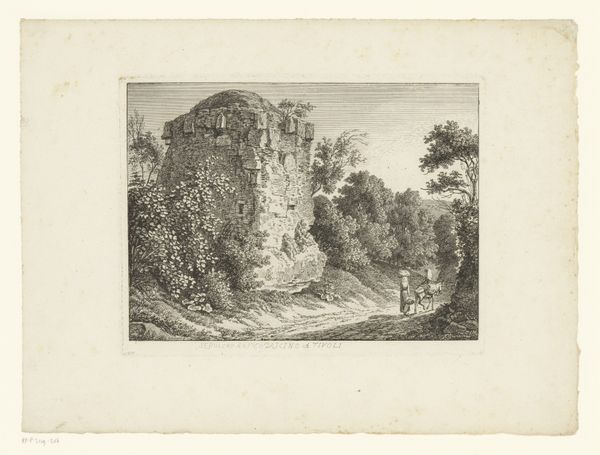
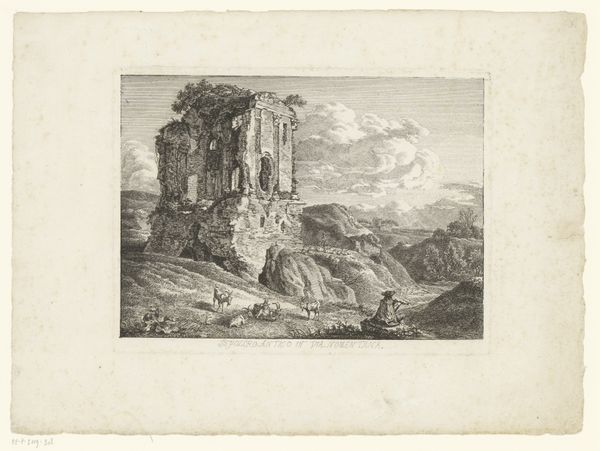
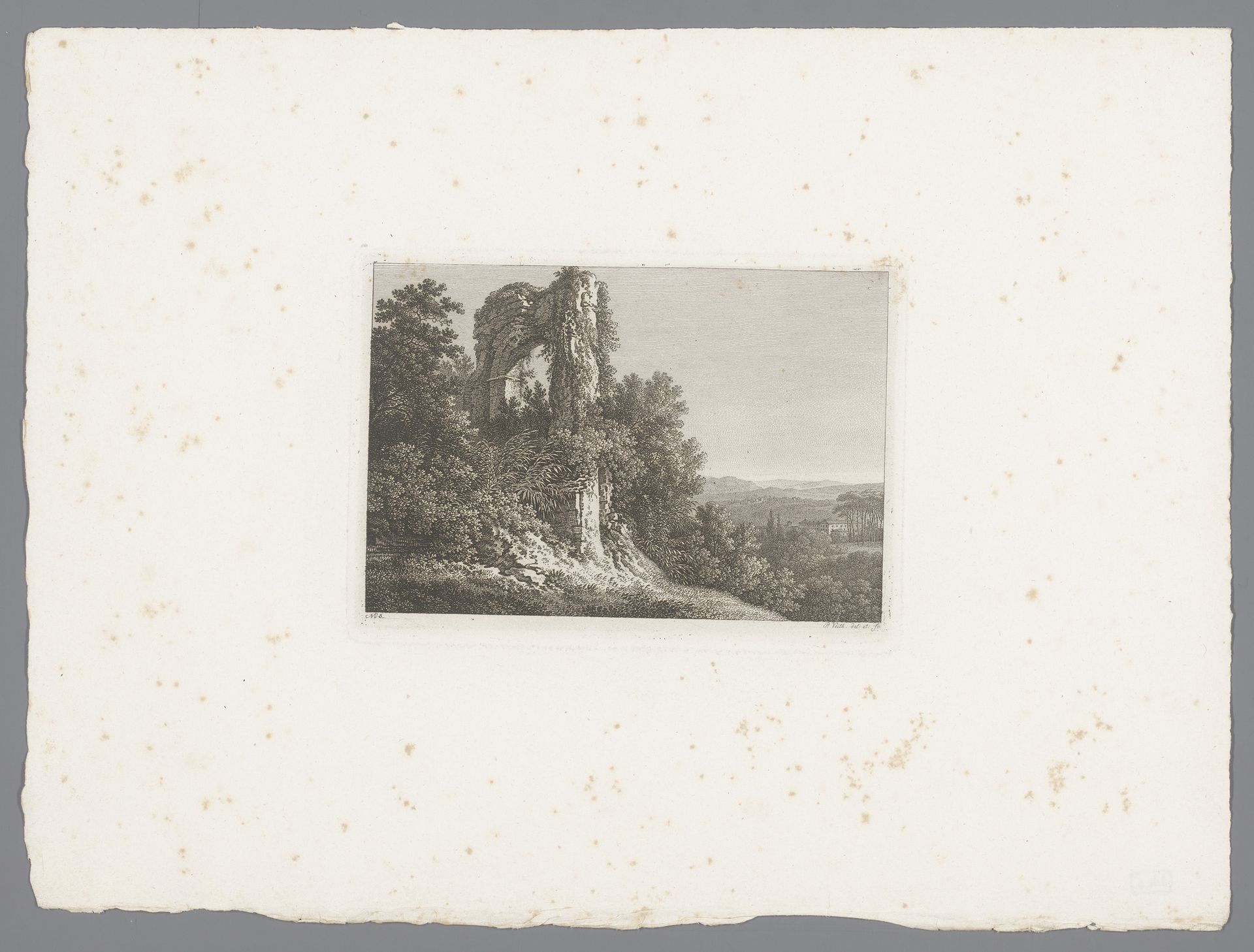
Philipp Veith created this landscape with an overgrown ruin near Rome using etching, an intricate printmaking process. Think of it as drawing with acid. Veith would have started with a metal plate, coating it with a waxy, acid-resistant substance. Using a sharp needle, he scratched away the coating, exposing the metal beneath. The plate was then submerged in acid, which bit into the exposed lines, creating grooves. Ink was then applied to the plate, filling these grooves, and the surface wiped clean. Finally, the plate and paper were pressed together, transferring the ink and creating the print. The fineness of the lines suggests the amount of labor involved in the work. There's a kind of tension at play here, between the scene of nature reclaiming architecture, and the human labor needed to create it, using methods that require meticulous skill and great patience. It invites us to consider the many processes of creation and destruction at play in the world around us.

Artwork details
- Medium
- drawing, print, etching
- Dimensions
- height 103 mm, width 145 mm
- Copyright
- Rijks Museum: Open Domain
Tags
drawing
etching
landscape
romanticism
Comments
Be the first to share your thoughts about this work.
About this artwork
Philipp Veith created this landscape with an overgrown ruin near Rome using etching, an intricate printmaking process. Think of it as drawing with acid. Veith would have started with a metal plate, coating it with a waxy, acid-resistant substance. Using a sharp needle, he scratched away the coating, exposing the metal beneath. The plate was then submerged in acid, which bit into the exposed lines, creating grooves. Ink was then applied to the plate, filling these grooves, and the surface wiped clean. Finally, the plate and paper were pressed together, transferring the ink and creating the print. The fineness of the lines suggests the amount of labor involved in the work. There's a kind of tension at play here, between the scene of nature reclaiming architecture, and the human labor needed to create it, using methods that require meticulous skill and great patience. It invites us to consider the many processes of creation and destruction at play in the world around us.
Comments
Be the first to share your thoughts about this work.