1851
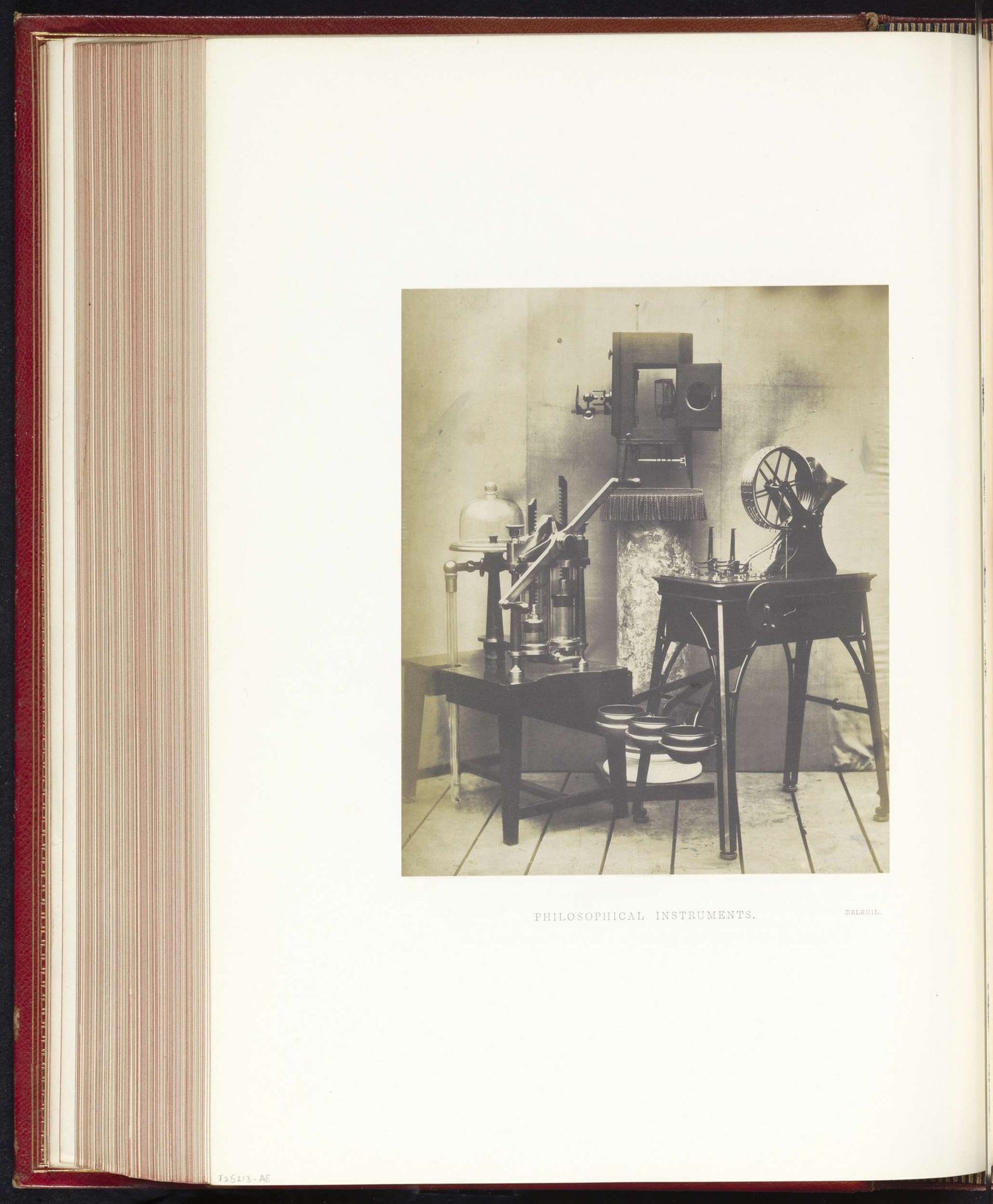
Natuurfilosofische instrumenten van Deleuil op de Great Exhibition of the Works of Industry of All Nations van 1851 in Londen

Listen to curator's interpretation
Curatorial notes
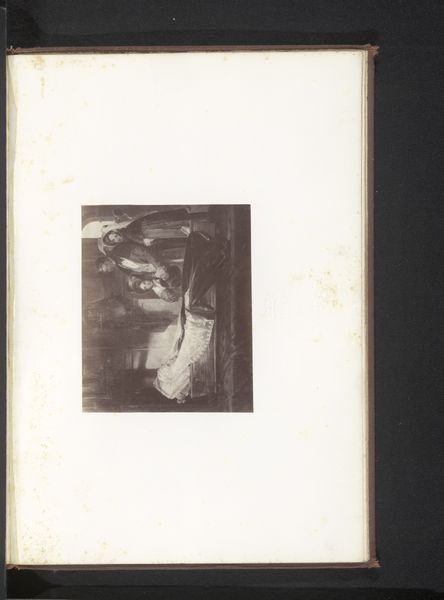
Editor: This daguerreotype from 1851 by C.M. Ferrier & F. von Martens depicts philosophical instruments by Deleuil showcased at the Great Exhibition in London. I find the stark presentation quite captivating; it almost feels like a scientific still life. What jumps out at you? Curator: What strikes me is the photograph *itself* as a philosophical instrument. The Great Exhibition was all about progress and showcasing advancements. What do these specific instruments symbolize to you? Do you think they were chosen randomly? Editor: That’s an interesting point! They seem like tools for observing and measuring the natural world. I'd guess the Victorians felt confident in their growing knowledge, even control, of nature? Curator: Precisely! Consider the cultural weight of "natural philosophy" at the time. It’s the precursor to modern science, rooted in observation and reason. These aren’t just instruments; they represent a worldview. And the choice to record them via photography adds another layer: truth, objectivity, and mechanical reproduction. How do you interpret the presence of three tools together? Editor: It feels a little like alchemy--different tools working in tandem to uncover something fundamental. Though perhaps not the philosophers' stone… maybe the secrets of energy? Or of life itself? Curator: Exactly. And it's captured on a daguerreotype – itself a symbol of a new way of seeing and understanding. Together, the effect is quite powerful: The Victorian ambition to unlock Nature through technological advancement and philosophical insight is perfectly embodied here, is it not? Editor: Absolutely. I had only thought about the beauty and craft, but the symbolism enriches it so much! Thank you.