About this artwork
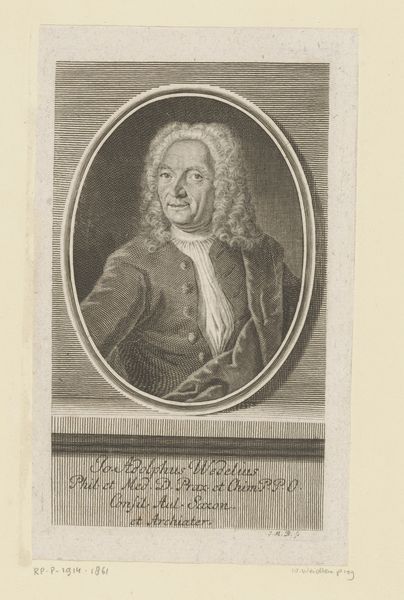
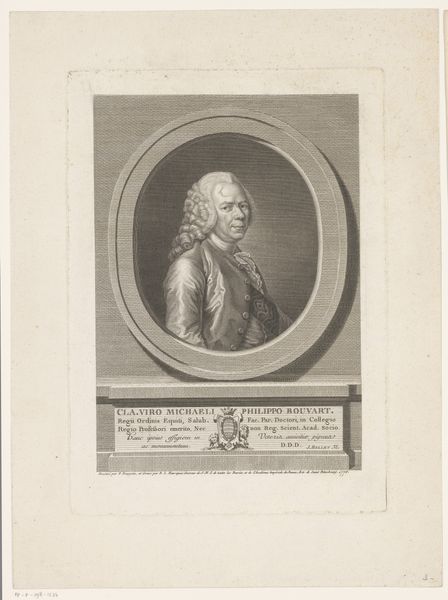
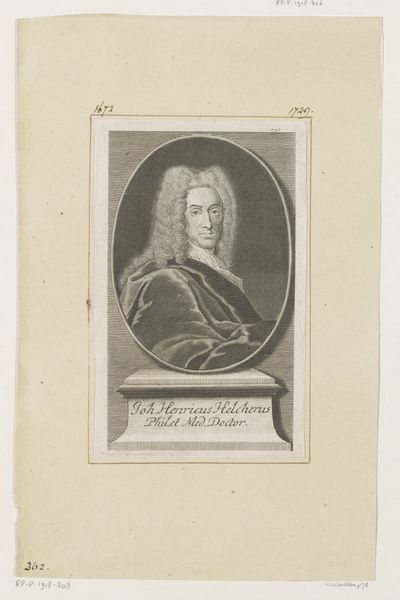
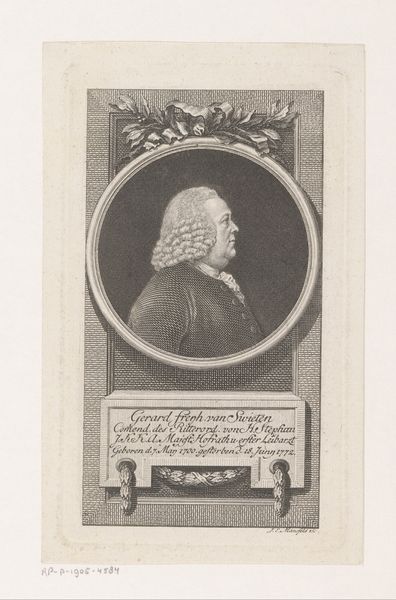
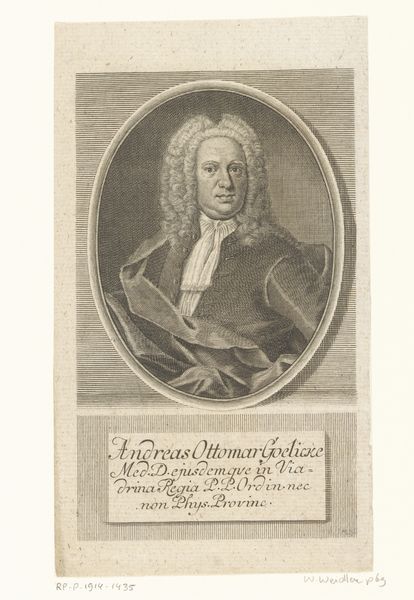
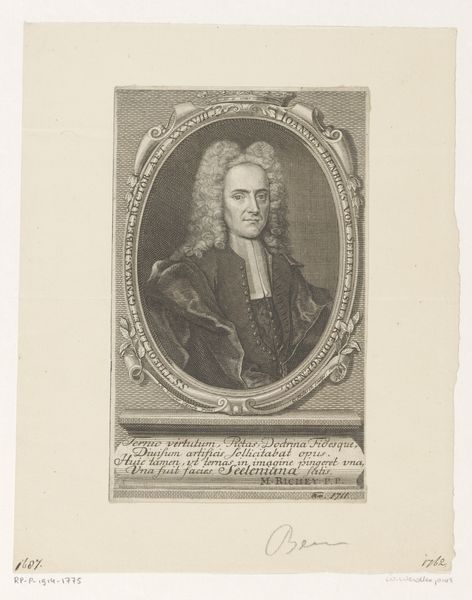
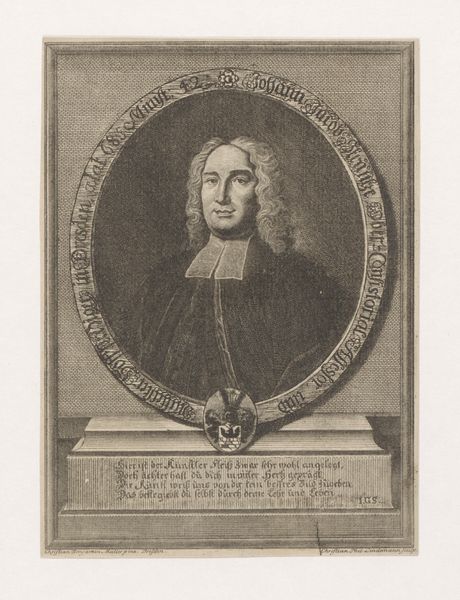
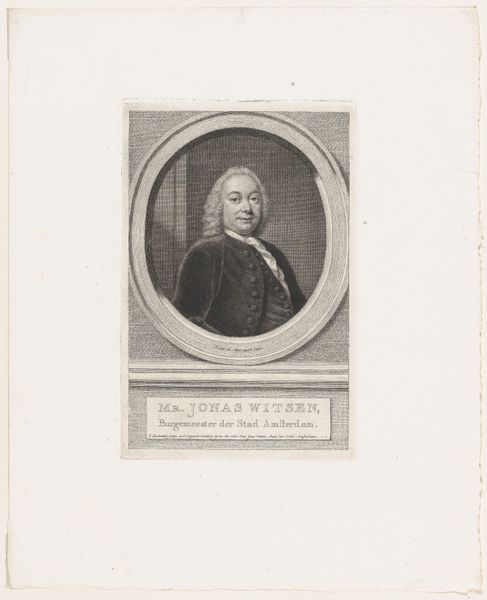
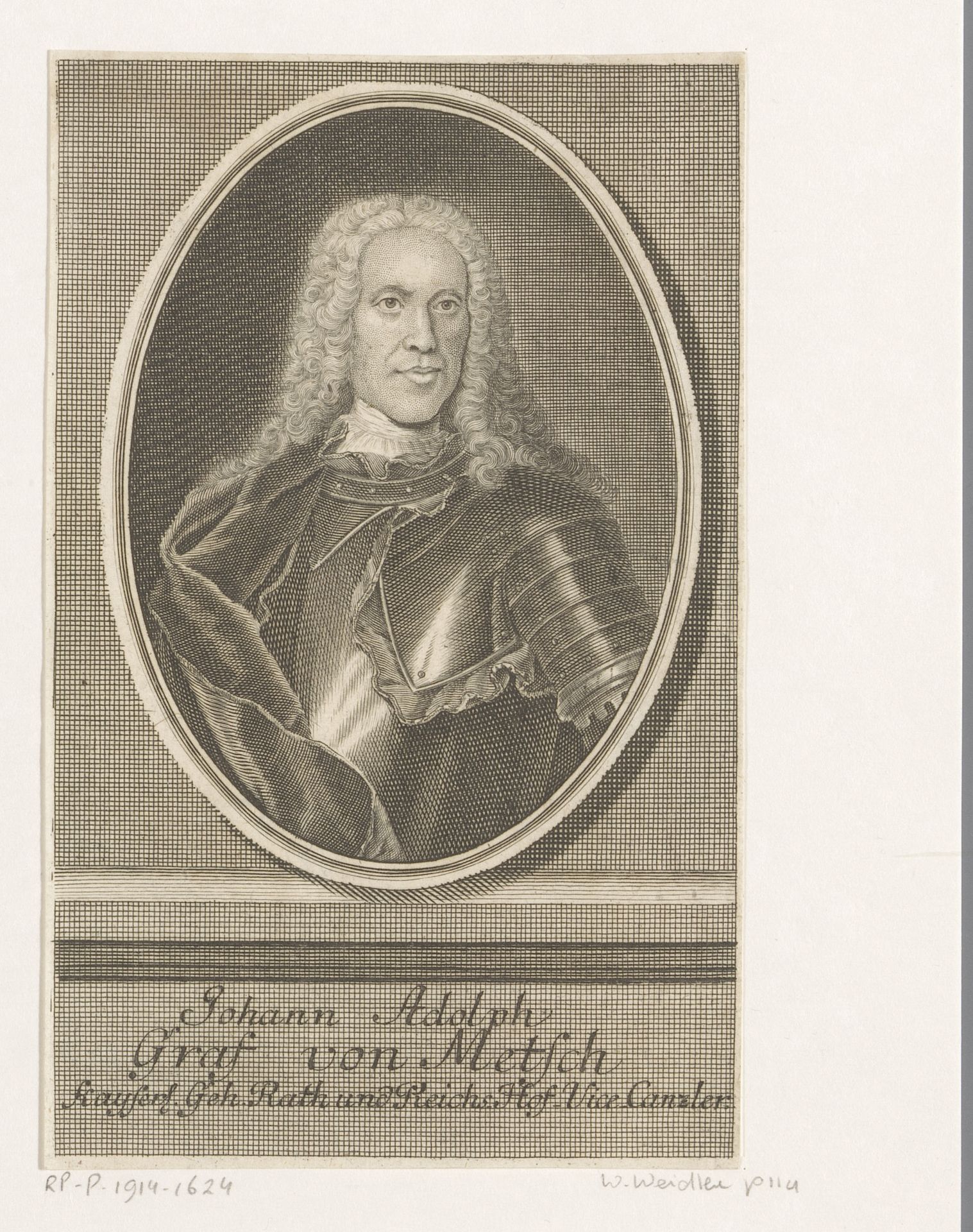
This is Johann Martin Bernigeroth's portrait of Johann Adolph, Reichsgraf von Metsch, made sometime between 1713 and 1767. As with all portraits, it served both aesthetic and social purposes. What can it tell us about the cultural values of its time? Well, the trappings of rank and status are evident. The elaborate wig, the polished armour, and the oval frame - all speak to the sitter's elevated position within the Holy Roman Empire. Note the inscription below, marking Johann Adolph as imperial privy councillor and vice-chancellor. The image creates meaning through these visual codes and historical associations. To fully understand this work, we must consider the social conditions that shaped its creation. The Holy Roman Empire was a complex web of political and social structures, and patronage from the elite was crucial for artists like Bernigeroth. By consulting archival records, genealogical charts, and studies of court culture, we can gain a deeper understanding of the painting and its role within its original context.
Portret van Johann Adolph, Reichsgraf von Metsch
1739

Johann Martin Bernigeroth
1713 - 1767Location
RijksmuseumArtwork details
- Medium
- print, engraving
- Dimensions
- height 147 mm, width 92 mm
- Location
- Rijksmuseum
- Copyright
- Rijks Museum: Open Domain
Tags
Comments
Share your thoughts
About this artwork
This is Johann Martin Bernigeroth's portrait of Johann Adolph, Reichsgraf von Metsch, made sometime between 1713 and 1767. As with all portraits, it served both aesthetic and social purposes. What can it tell us about the cultural values of its time? Well, the trappings of rank and status are evident. The elaborate wig, the polished armour, and the oval frame - all speak to the sitter's elevated position within the Holy Roman Empire. Note the inscription below, marking Johann Adolph as imperial privy councillor and vice-chancellor. The image creates meaning through these visual codes and historical associations. To fully understand this work, we must consider the social conditions that shaped its creation. The Holy Roman Empire was a complex web of political and social structures, and patronage from the elite was crucial for artists like Bernigeroth. By consulting archival records, genealogical charts, and studies of court culture, we can gain a deeper understanding of the painting and its role within its original context.
Comments
Share your thoughts