1715 - 1798
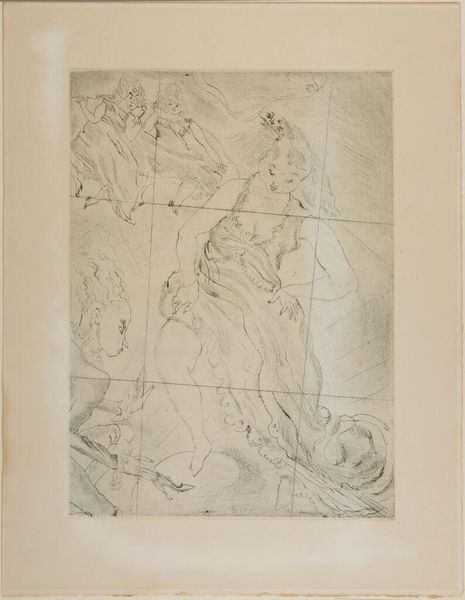
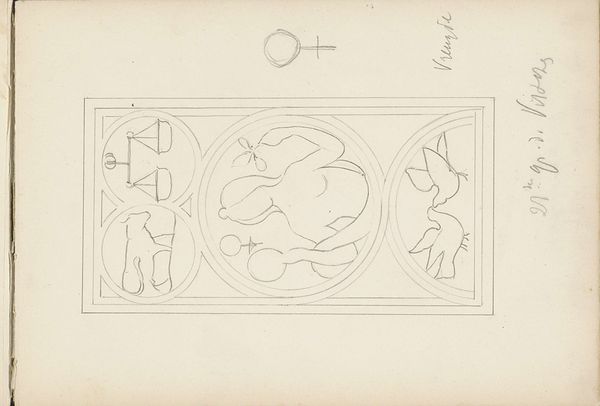
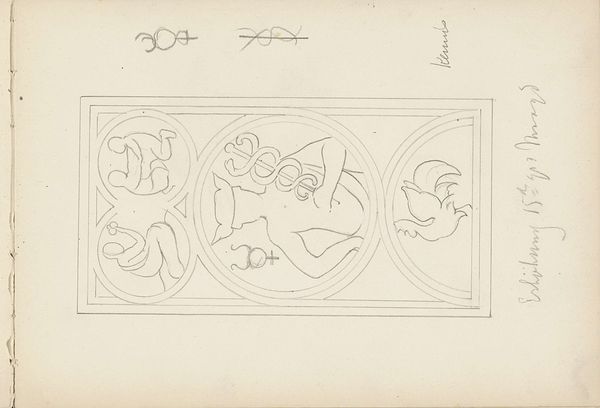
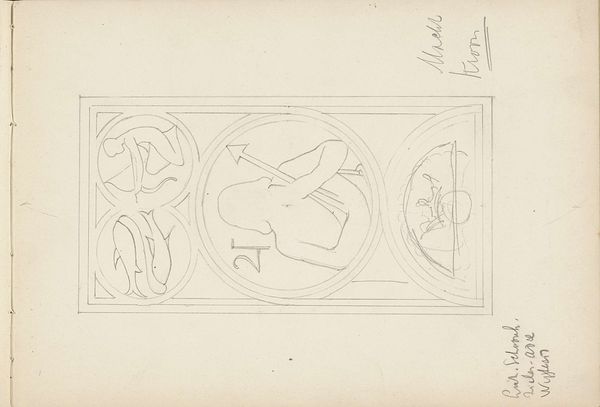
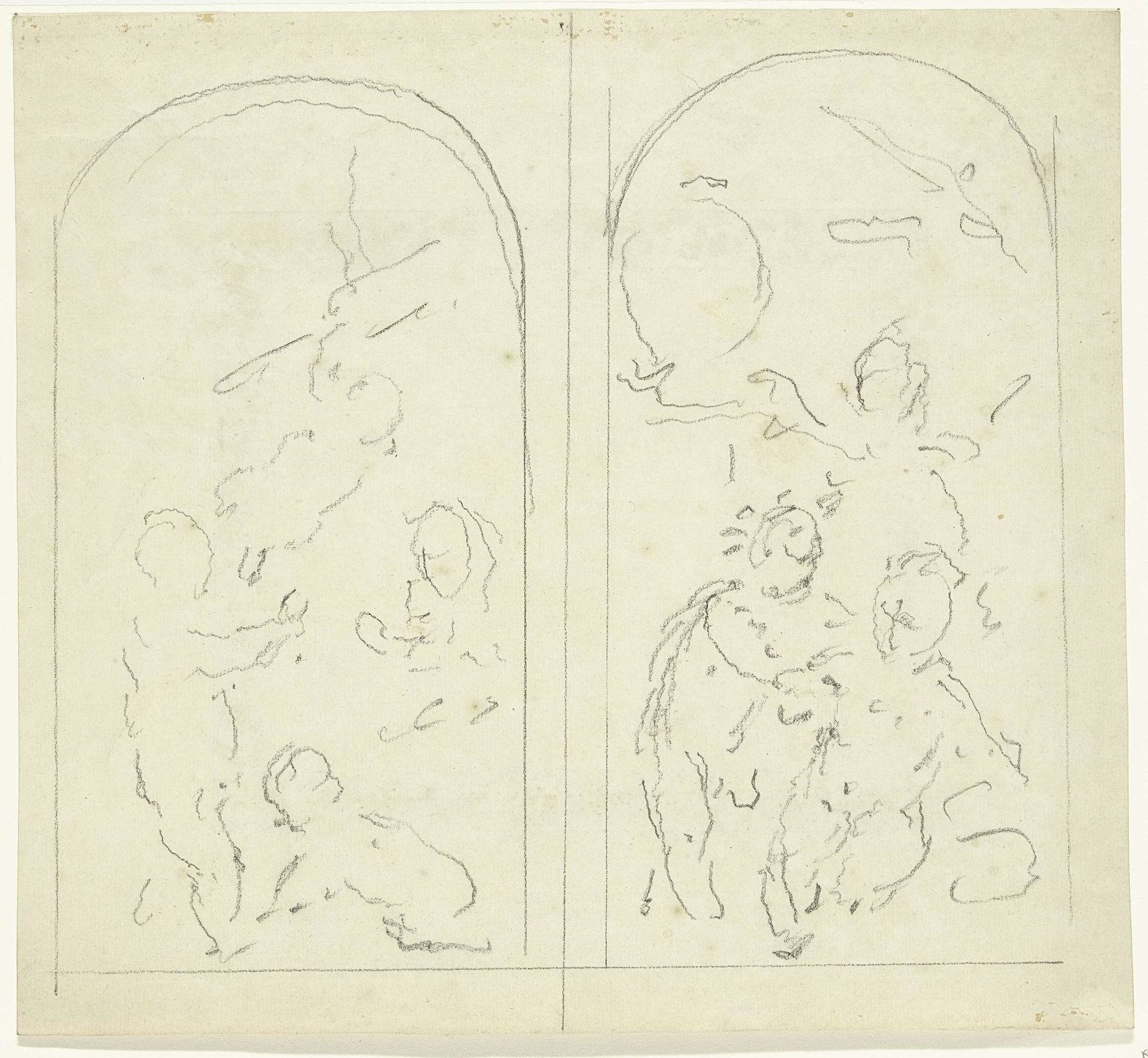
Twee schetsen voor grisailles met putti

Listen to curator's interpretation
Curatorial notes
These two sketches for grisailles with putti were made by Dionys van Nijmegen, an artist who lived through the 18th century, a period marked by both the opulence of the Rococo and the rise of Enlightenment ideals. Van Nijmegen, working within this era, sketched these cherubic figures, known as putti, which were common motifs in the decorative arts. Often commissioned to decorate elite homes, such artworks reinforced the status and taste of their owners. Yet, if we consider these sketches through the lens of gender and power, we might ask: whose stories are told and whose are left out? The putti, while seemingly innocent, carry the weight of the societal structures that commissioned and celebrated them. As we observe these sketches, we are invited to reflect on the complex interplay between artistic expression, social hierarchy, and the narratives that shape our understanding of the world.