About this artwork
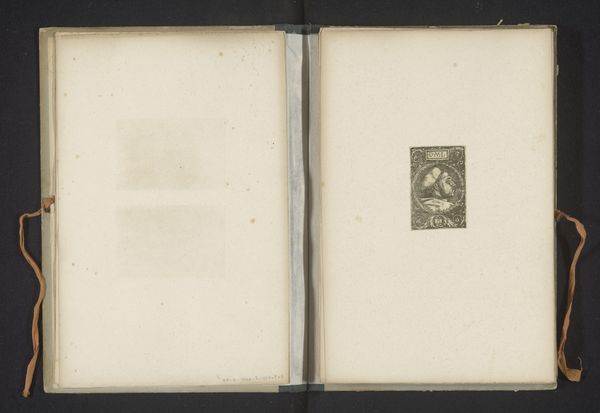
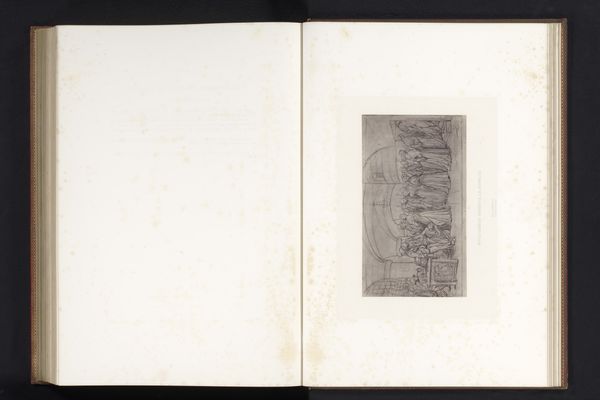
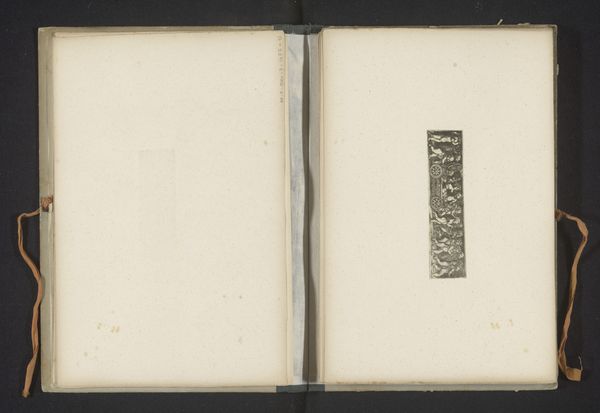
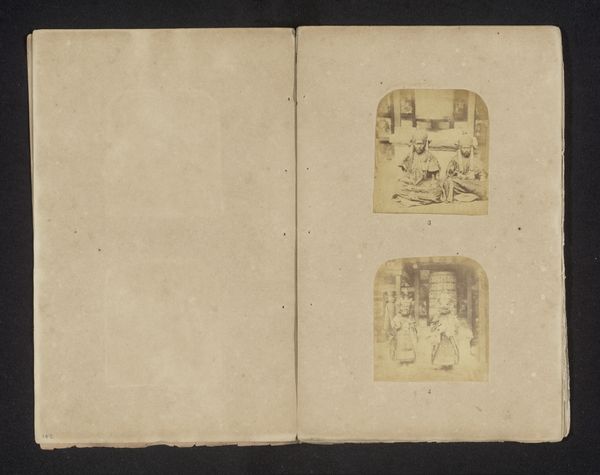
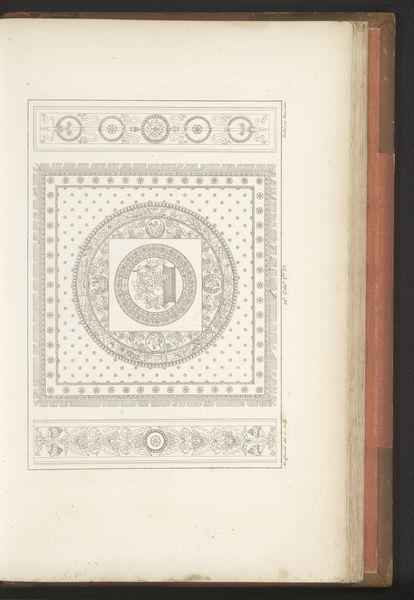
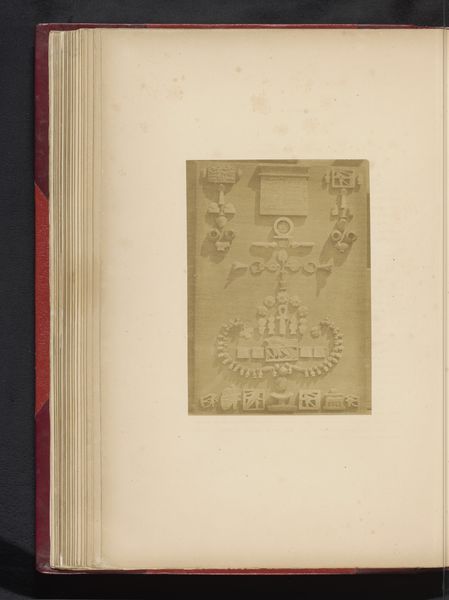
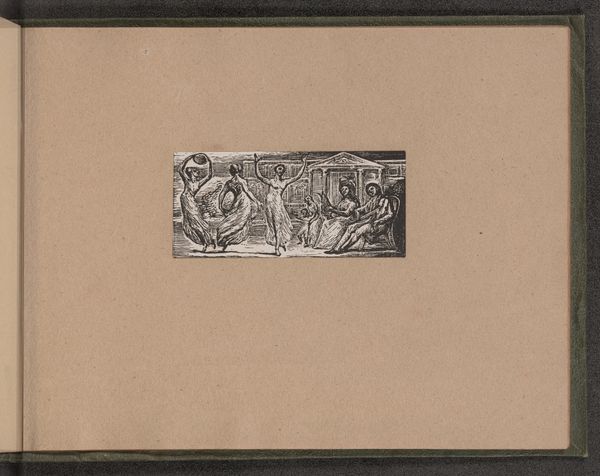
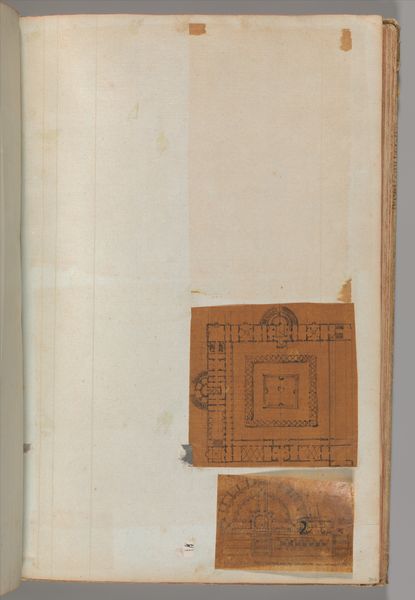
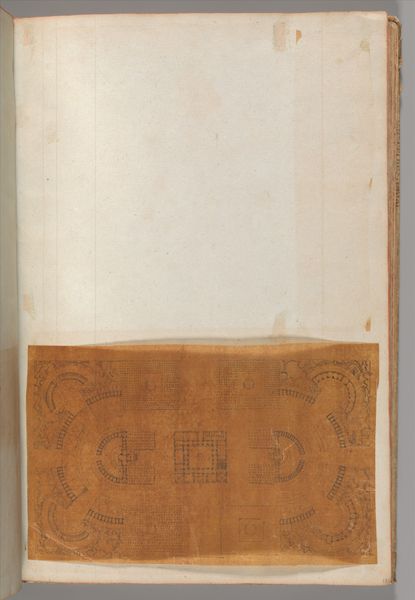
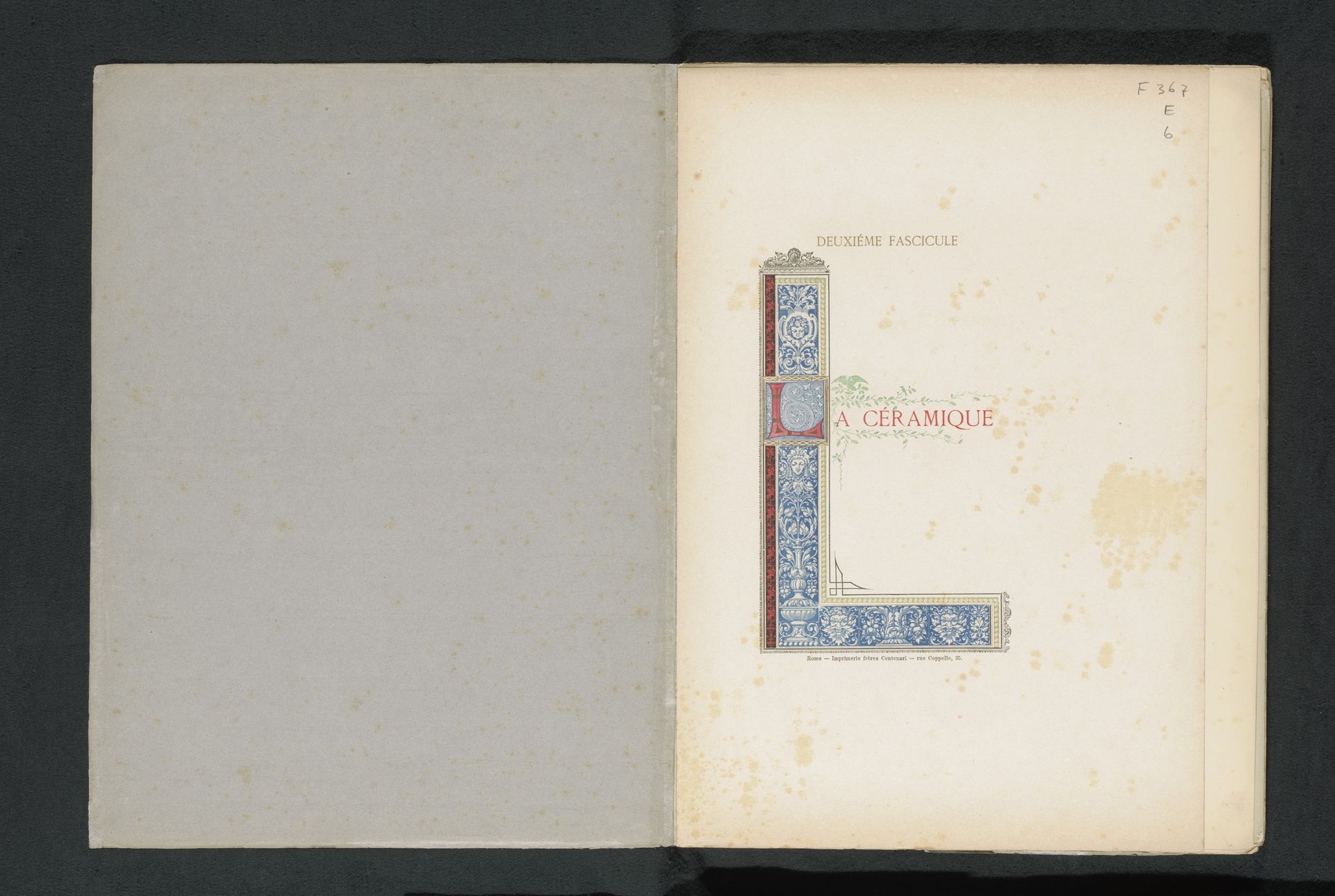
Théophile Fumière made this print relating to the Italian section at the Antwerp Exposition using chromolithography. This ornate opening to a chapter on ceramics in a catalogue for the 1885 Antwerp World Fair speaks volumes about the cultural values of its time. World Fairs were key sites of institutional power. European nations showed off not only their industrial achievements, but also their colonial holdings. The Italian section would have presented a carefully curated image of the nation, linking its classical past to its modern aspirations. The design of this page is a deliberate revival of Renaissance decorative styles, associating Italian ceramics with a rich artistic heritage. Chromolithography itself, as a relatively new technology, would have been seen as a modern marvel, but here it is employed to celebrate traditional craftsmanship. To understand the full meaning of this image, we need to research the specific objects displayed in the Italian section and the broader context of 19th-century European industrial exhibitions. Only then can we fully grasp the complex dialogue between tradition and modernity that this image represents.
La section italienne à l'Exposition d'Anvers 1885 / par Théophile Fumière
1885

Artwork details
- Medium
- drawing, graphic-art, paper, ink
- Dimensions
- height 353 mm, width 260 mm, thickness 7 mm
- Copyright
- Rijks Museum: Open Domain
Tags
Comments
Share your thoughts
About this artwork
Théophile Fumière made this print relating to the Italian section at the Antwerp Exposition using chromolithography. This ornate opening to a chapter on ceramics in a catalogue for the 1885 Antwerp World Fair speaks volumes about the cultural values of its time. World Fairs were key sites of institutional power. European nations showed off not only their industrial achievements, but also their colonial holdings. The Italian section would have presented a carefully curated image of the nation, linking its classical past to its modern aspirations. The design of this page is a deliberate revival of Renaissance decorative styles, associating Italian ceramics with a rich artistic heritage. Chromolithography itself, as a relatively new technology, would have been seen as a modern marvel, but here it is employed to celebrate traditional craftsmanship. To understand the full meaning of this image, we need to research the specific objects displayed in the Italian section and the broader context of 19th-century European industrial exhibitions. Only then can we fully grasp the complex dialogue between tradition and modernity that this image represents.
Comments
Share your thoughts