About this artwork
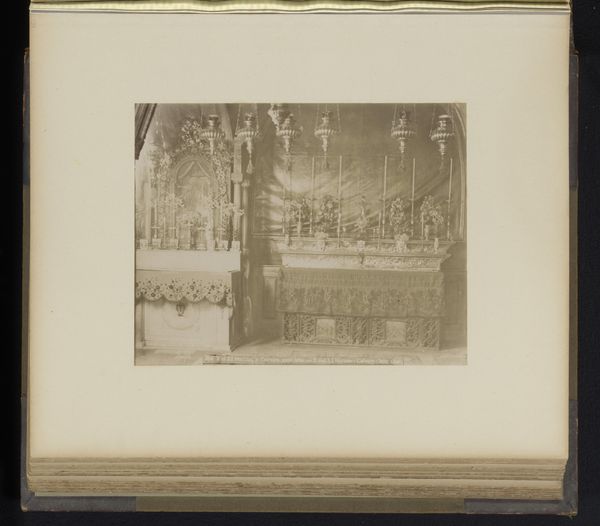
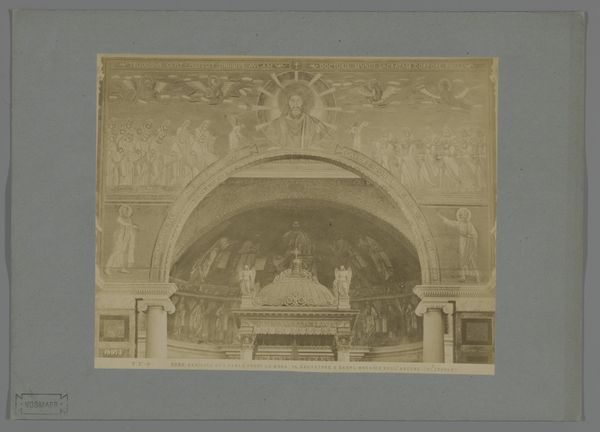
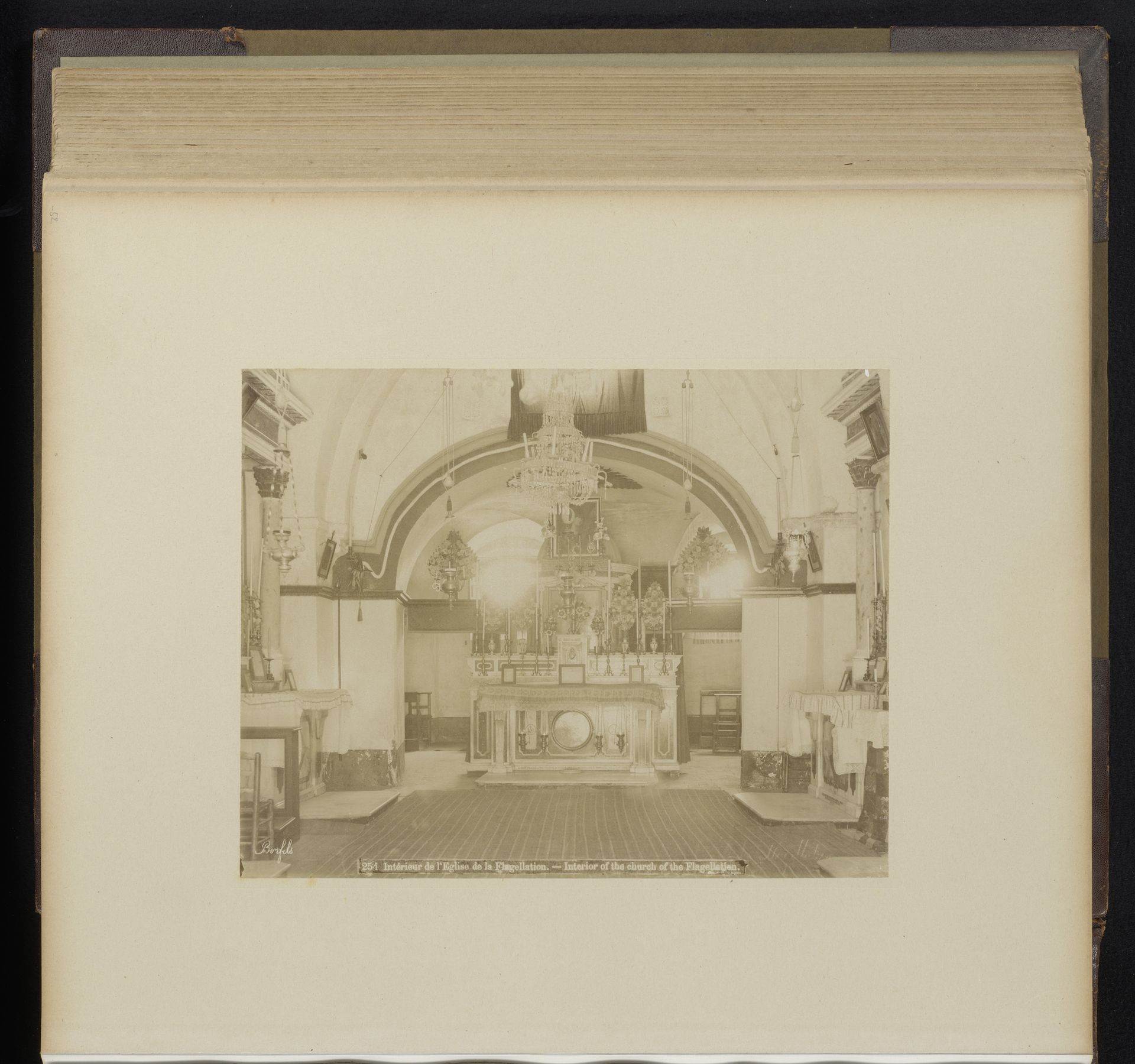
This photograph of the altar in the Church of the Flagellation in Jerusalem was made by Félix Bonfils in the late 19th century. Bonfils was one of the first commercial photographers in the Middle East. Religious sites were a popular subject for European photographers at this time, who catered to the growing market for tourism and pilgrimage. But these images also served to reinforce European, especially French, cultural and political influence in the region. The Church of the Flagellation commemorates the site where Jesus was flogged by Roman soldiers before his crucifixion. France was a major player in the restoration of Catholic churches in the Holy Land. The French also had a claim to political power in the region. Photographs like this one are invaluable historical resources. They give us insights into religious, political and cultural interactions between Europe and the Middle East in the 19th century.
Altaar in de kerk van de geseling in Jeruzalem
1867 - 1885

Félix Bonfils
1831 - 1885Location
RijksmuseumArtwork details
- Medium
- print, photography
- Dimensions
- height 218 mm, width 277 mm
- Location
- Rijksmuseum
- Copyright
- Rijks Museum: Open Domain
Tags
Comments
Share your thoughts
About this artwork
This photograph of the altar in the Church of the Flagellation in Jerusalem was made by Félix Bonfils in the late 19th century. Bonfils was one of the first commercial photographers in the Middle East. Religious sites were a popular subject for European photographers at this time, who catered to the growing market for tourism and pilgrimage. But these images also served to reinforce European, especially French, cultural and political influence in the region. The Church of the Flagellation commemorates the site where Jesus was flogged by Roman soldiers before his crucifixion. France was a major player in the restoration of Catholic churches in the Holy Land. The French also had a claim to political power in the region. Photographs like this one are invaluable historical resources. They give us insights into religious, political and cultural interactions between Europe and the Middle East in the 19th century.
Comments
Share your thoughts