c. 1725
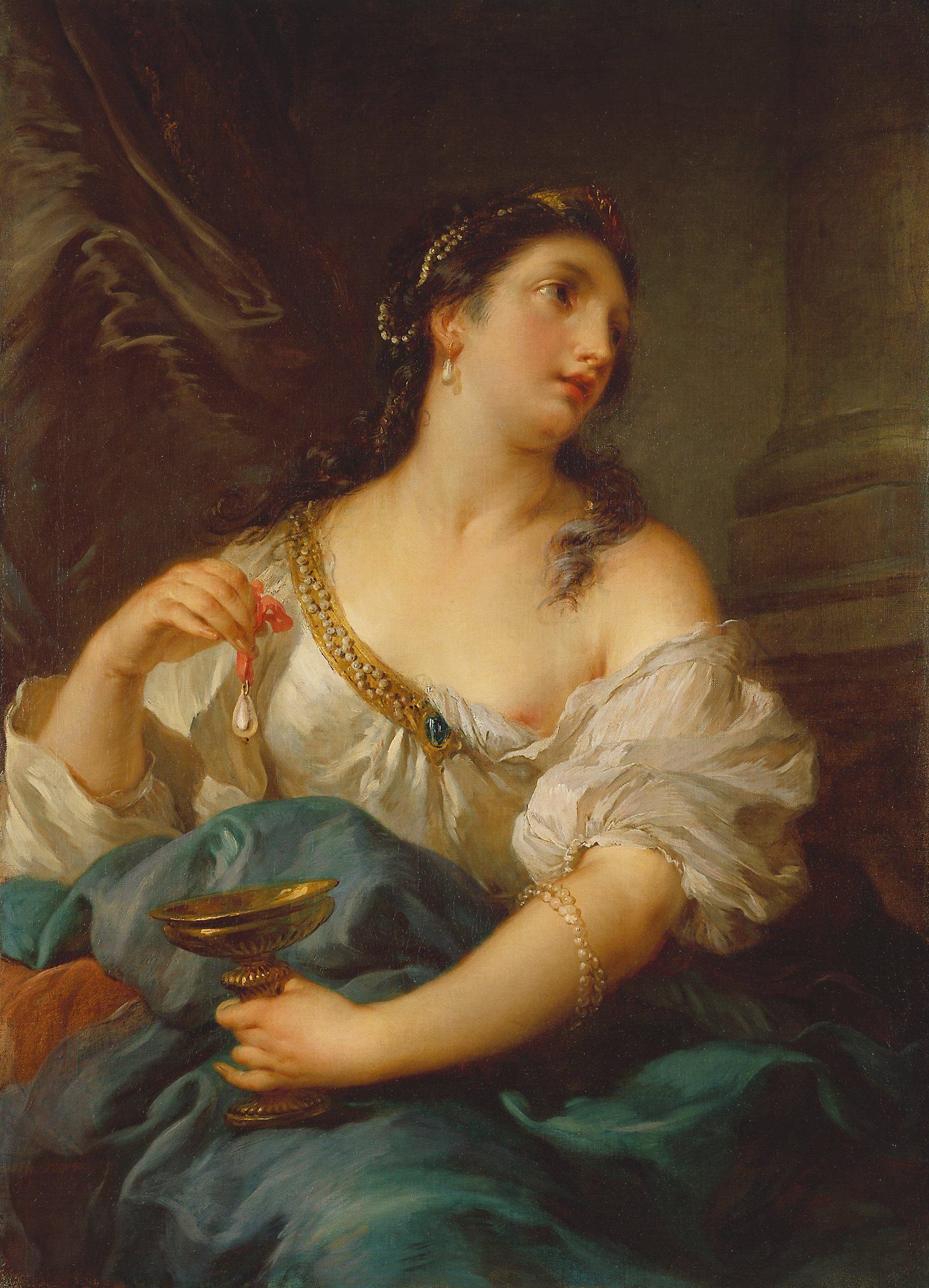
Cleopatra


Listen to curator's interpretation
Curatorial notes
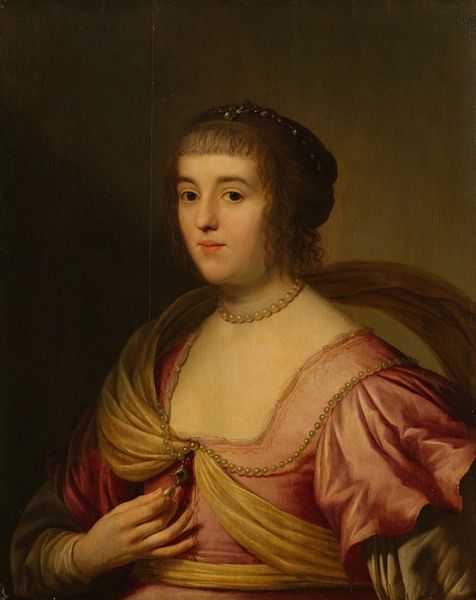
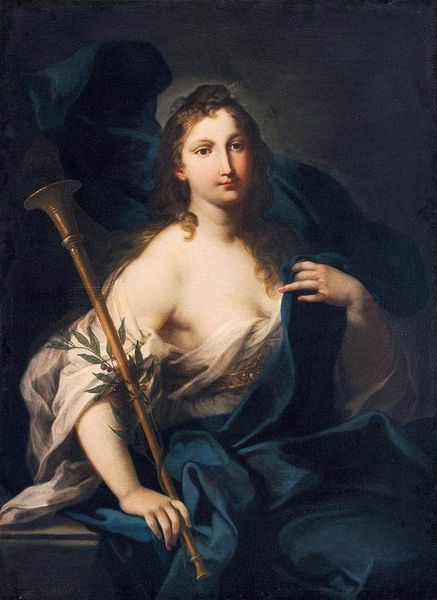
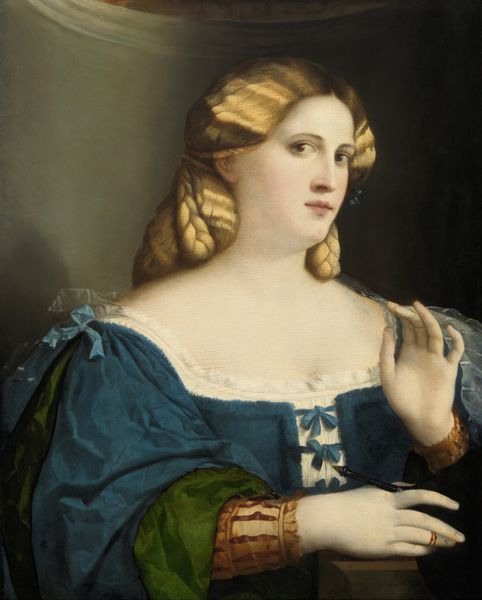
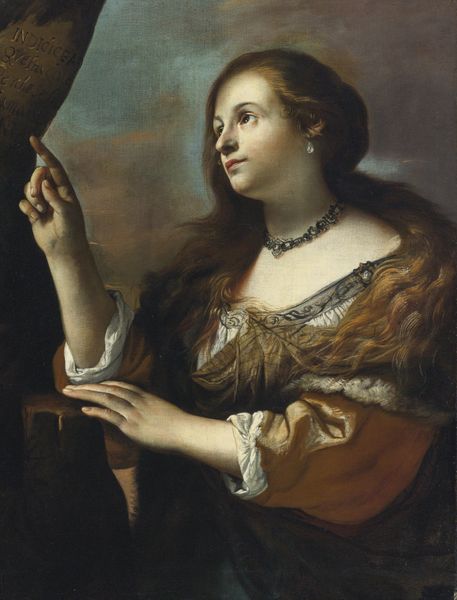
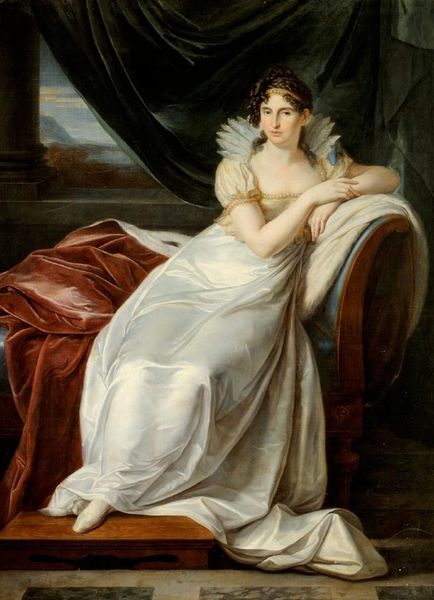
François Lemoyne painted this Cleopatra in the 18th century, a time when the figure of Cleopatra was often used to explore themes of power, sexuality, and tragedy. Here, Cleopatra is depicted in a moment of poised contemplation, just before her suicide. Consider how Lemoyne, a male artist, portrays this powerful female ruler, a figure who defied traditional gender roles. The pearl she holds, about to be dissolved in the goblet, symbolizes her immense wealth and the dramatic act of self-destruction she is about to commit. Cleopatra’s story has been told and retold throughout history, each era reimagining her to reflect its own preoccupations. In Lemoyne’s time, the focus was often on her beauty and dramatic demise, yet, look at the vulnerability in her expression and the subtle tension in her posture. How does this portrayal invite us to consider the complexities of her identity as both a queen and a woman facing an impossible situation? This painting leaves us to ponder the tragic intersection of personal agency and historical destiny.