About this artwork
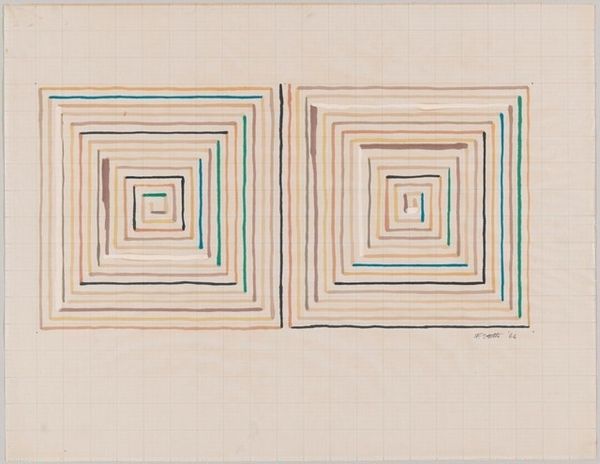
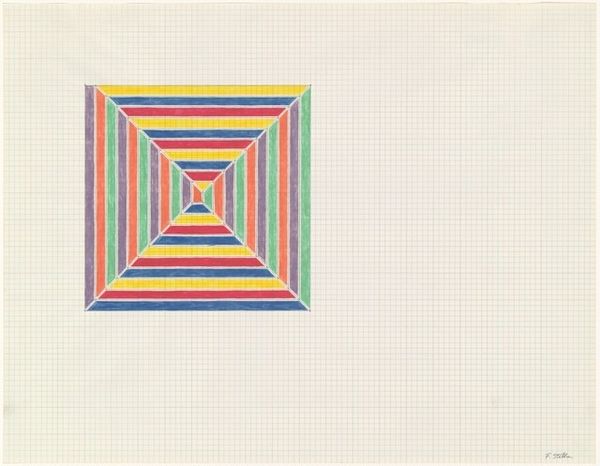
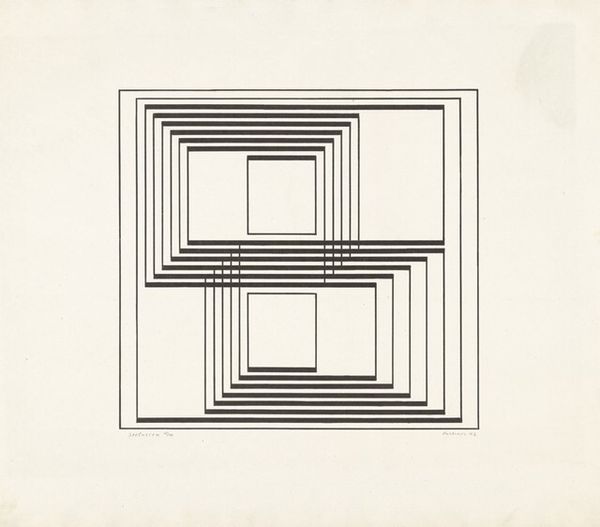
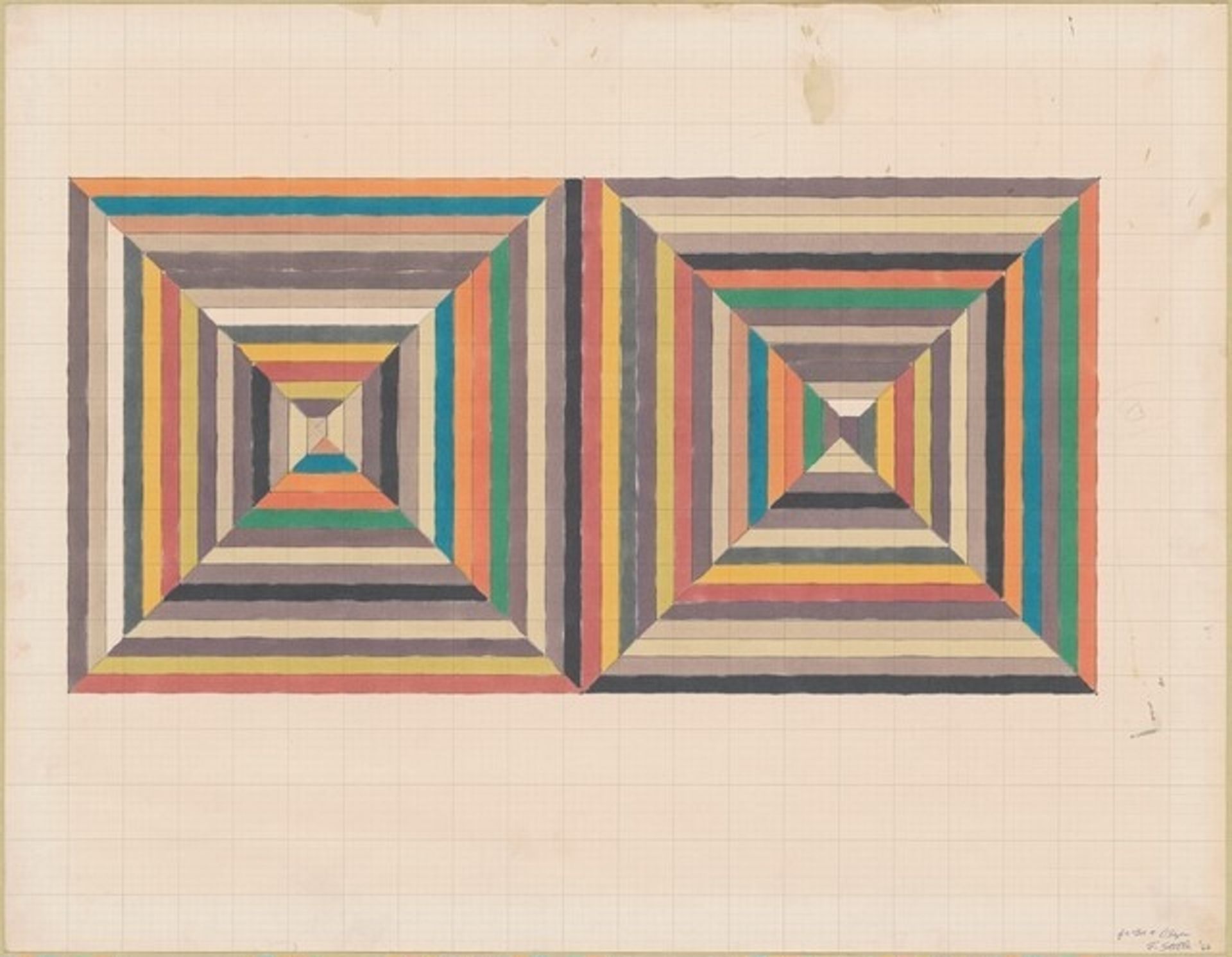
Frank Stella created "Double Maze," using graphite and colored pencil on graph paper. Stella emerged in the late 1950s, a period marked by the rise of abstract expressionism and a shifting cultural landscape questioning established norms. At first glance, the painting may seem like a purely formal exercise, two squares nested inside each other. But, there is a culturally subversive act at play. Stella challenges the notion of painting as a window into another world. He focuses attention back onto the material reality of the artwork itself. He stated that he wanted to emphasize "just the idea of surface." By exploring the potential of abstraction, Stella invites us to let go of the constraints of representation and embrace the emotional and sensory power of color and form. The geometric shapes in "Double Maze" serve as both a visual puzzle and an invitation to explore the complexities of perception. It reflects a broader cultural shift towards minimalism and conceptualism.


Artwork details
- Medium
- drawing
- Dimensions
- image: 23.65 × 47.15 cm (9 5/16 × 18 9/16 in.) sheet: 43.5 × 56.04 cm (17 1/8 × 22 1/16 in.)
- Copyright
- National Gallery of Art: CC0 1.0
Tags
drawing
minimalism
geometric pattern
geometric
geometric-abstraction
abstraction
pop-art
hard-edge-painting
Comments
Be the first to share your thoughts about this work.
About this artwork
Frank Stella created "Double Maze," using graphite and colored pencil on graph paper. Stella emerged in the late 1950s, a period marked by the rise of abstract expressionism and a shifting cultural landscape questioning established norms. At first glance, the painting may seem like a purely formal exercise, two squares nested inside each other. But, there is a culturally subversive act at play. Stella challenges the notion of painting as a window into another world. He focuses attention back onto the material reality of the artwork itself. He stated that he wanted to emphasize "just the idea of surface." By exploring the potential of abstraction, Stella invites us to let go of the constraints of representation and embrace the emotional and sensory power of color and form. The geometric shapes in "Double Maze" serve as both a visual puzzle and an invitation to explore the complexities of perception. It reflects a broader cultural shift towards minimalism and conceptualism.
Comments
Be the first to share your thoughts about this work.