About this artwork
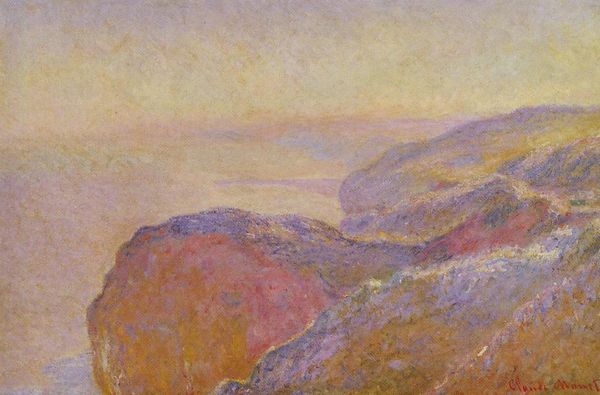
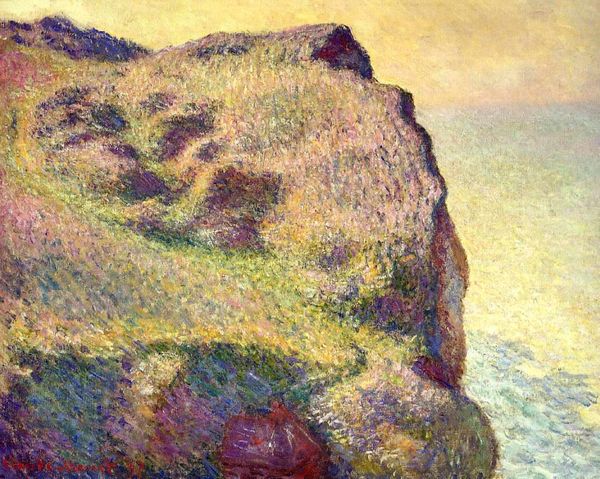
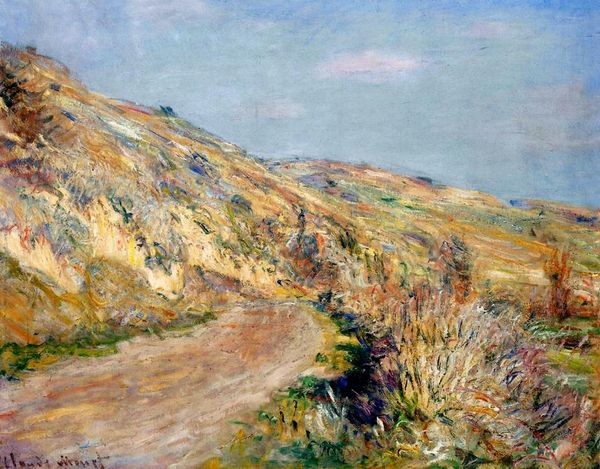
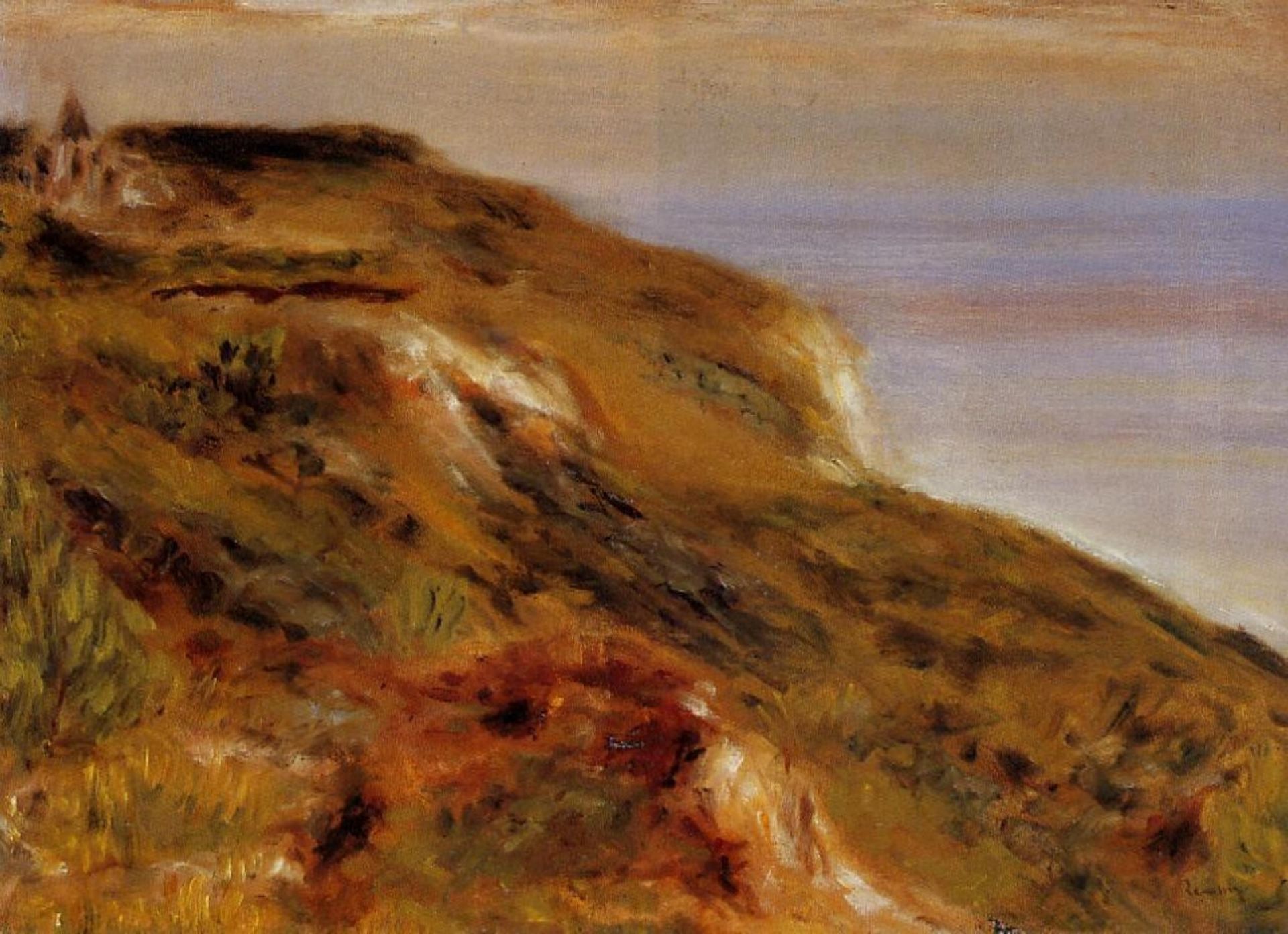
Pierre-Auguste Renoir captured the Varangeville Church and cliffs on canvas using oil paints, embedding within it a silent dialogue between nature and the sacred. The church, perched atop the cliff, acts as a beacon, a symbol deeply rooted in centuries of spiritual quest and community. The placement of religious structures atop elevated natural formations is a motif echoed across cultures; think of ancient temples on mountains or cathedrals on hills, each seeking to bridge the earthly with the divine. This visual language taps into our collective memory, resonating with the innate human desire to transcend the mundane. The cliff itself, a geological testament to time and erosion, embodies resilience and permanence. Consider its similarity to other natural formations throughout art history: The rough rock of a mountain in Caspar David Friedrich symbolizing the sublime; the rugged canyons in Thomas Cole mirroring human struggles. Renoir’s cliffs and church speak to an emotional and psychological landscape, a powerful force that silently engages us, connecting our present moment to an age-old narrative of faith, nature, and the enduring human spirit.
The Varangeville Church and the Cliffs 1880

Pierre-Auguste Renoir
1841 - 1919Location
Private CollectionArtwork details
- Medium
- painting, plein-air, oil-paint
- Location
- Private Collection
- Copyright
- Public domain
Tags
painting
impressionism
plein-air
oil-paint
landscape
impressionist landscape
oil painting
realism
Comments
No comments
About this artwork
Pierre-Auguste Renoir captured the Varangeville Church and cliffs on canvas using oil paints, embedding within it a silent dialogue between nature and the sacred. The church, perched atop the cliff, acts as a beacon, a symbol deeply rooted in centuries of spiritual quest and community. The placement of religious structures atop elevated natural formations is a motif echoed across cultures; think of ancient temples on mountains or cathedrals on hills, each seeking to bridge the earthly with the divine. This visual language taps into our collective memory, resonating with the innate human desire to transcend the mundane. The cliff itself, a geological testament to time and erosion, embodies resilience and permanence. Consider its similarity to other natural formations throughout art history: The rough rock of a mountain in Caspar David Friedrich symbolizing the sublime; the rugged canyons in Thomas Cole mirroring human struggles. Renoir’s cliffs and church speak to an emotional and psychological landscape, a powerful force that silently engages us, connecting our present moment to an age-old narrative of faith, nature, and the enduring human spirit.
Comments
No comments