About this artwork
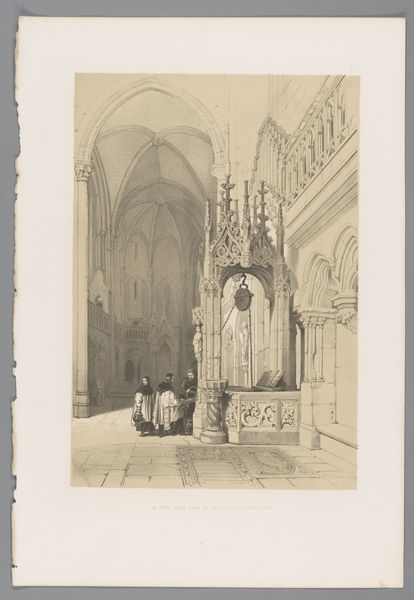
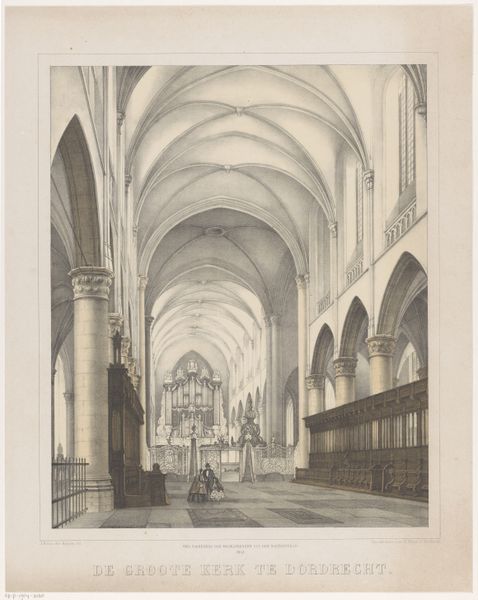
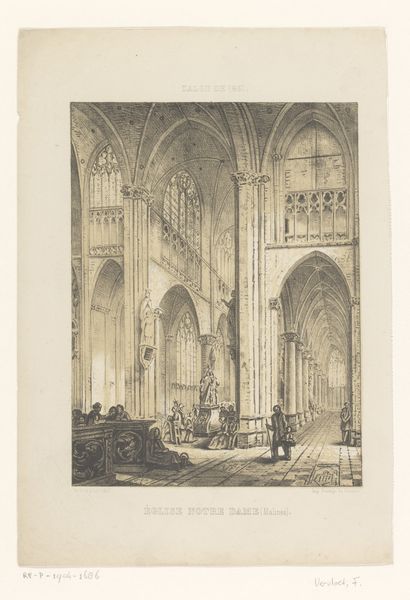
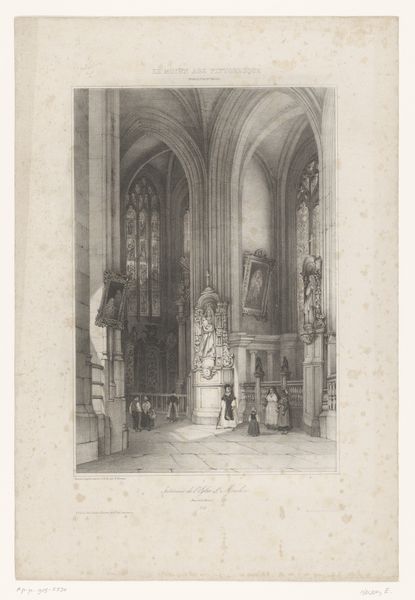
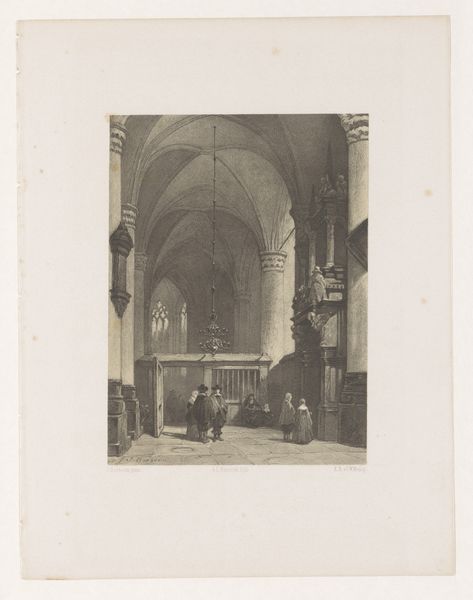
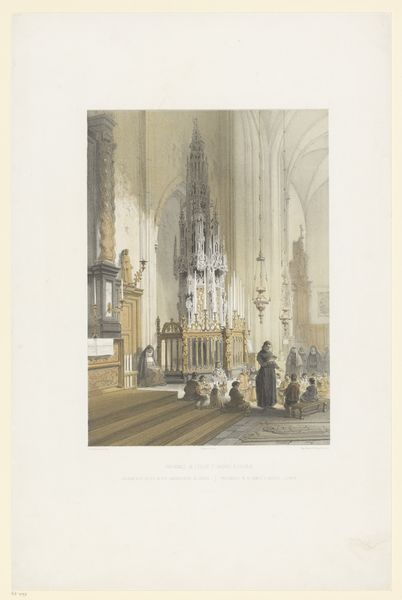
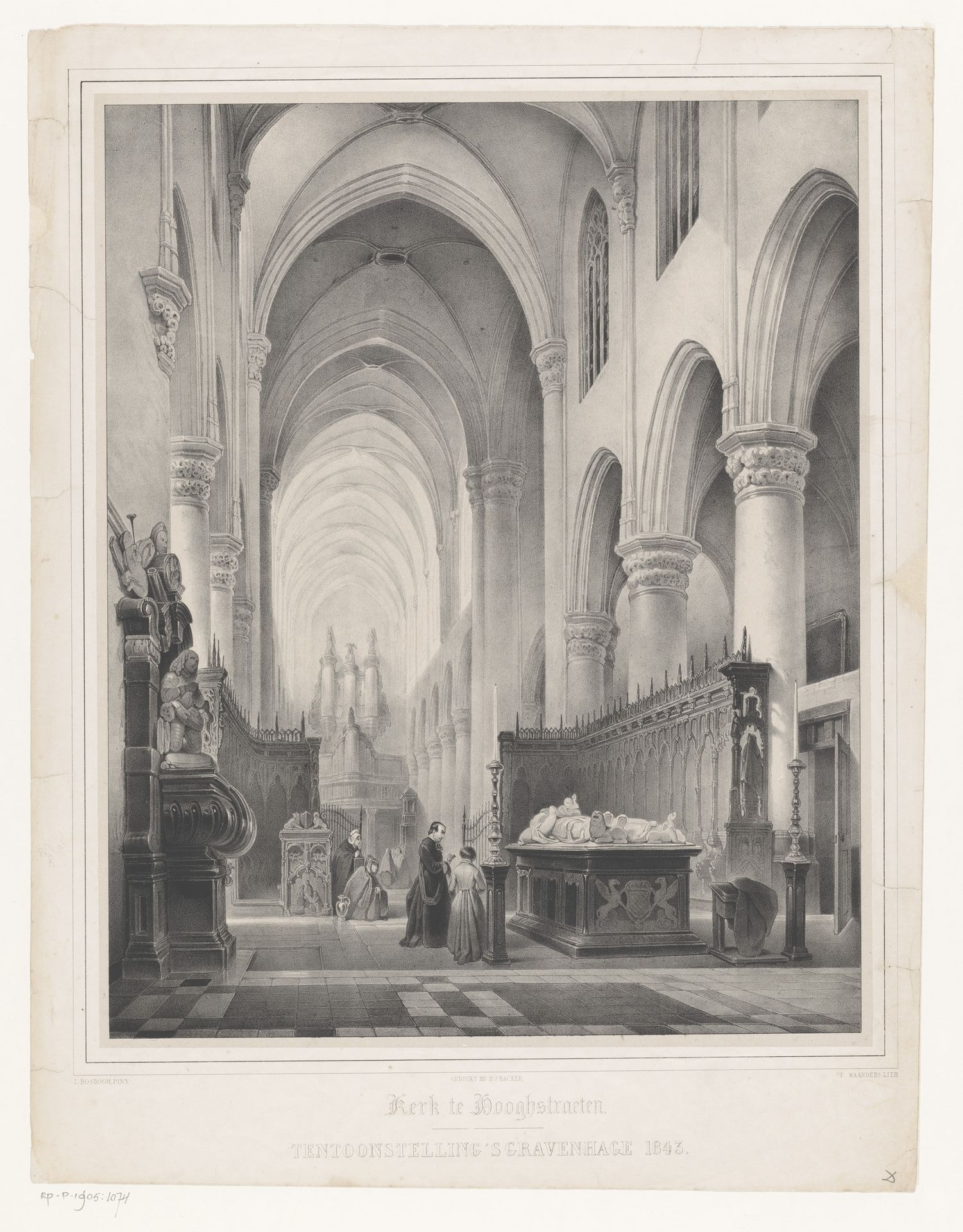
Franciscus Bernardus Waanders made this print of the interior of the church in Hoogstraten, likely around the mid-19th century. It shows the architectural grandeur of the church, a space designed to inspire awe and reverence. But it also shows the people who came to worship here. This print provides insight into the role of the church in 19th-century society. In Belgium, as in much of Europe at this time, the church was a powerful institution, shaping social norms, political discourse, and daily life. The church provided not only spiritual guidance but also a sense of community. Waanders's choice to depict the interior of a church, rather than a landscape or a portrait, speaks to the cultural significance of religious institutions in the Netherlands at this time. To fully understand this print, we might consult historical records about the church in Hoogstraten, as well as studies of religious life in 19th-century Belgium. What social classes are represented here? How would the space have been used? Such research helps us to see art as deeply embedded in the fabric of its time.
Interieur van de kerk in Hoogstraten
1843

Franciscus Bernardus Waanders
1809 - 1880Location
RijksmuseumArtwork details
- Medium
- drawing, print, paper, ink
- Dimensions
- height 535 mm, width 410 mm
- Location
- Rijksmuseum
- Copyright
- Rijks Museum: Open Domain
Tags
Comments
Share your thoughts
About this artwork
Franciscus Bernardus Waanders made this print of the interior of the church in Hoogstraten, likely around the mid-19th century. It shows the architectural grandeur of the church, a space designed to inspire awe and reverence. But it also shows the people who came to worship here. This print provides insight into the role of the church in 19th-century society. In Belgium, as in much of Europe at this time, the church was a powerful institution, shaping social norms, political discourse, and daily life. The church provided not only spiritual guidance but also a sense of community. Waanders's choice to depict the interior of a church, rather than a landscape or a portrait, speaks to the cultural significance of religious institutions in the Netherlands at this time. To fully understand this print, we might consult historical records about the church in Hoogstraten, as well as studies of religious life in 19th-century Belgium. What social classes are represented here? How would the space have been used? Such research helps us to see art as deeply embedded in the fabric of its time.
Comments
Share your thoughts