About this artwork
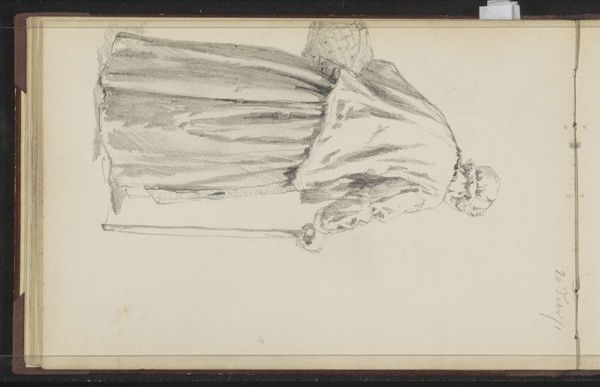
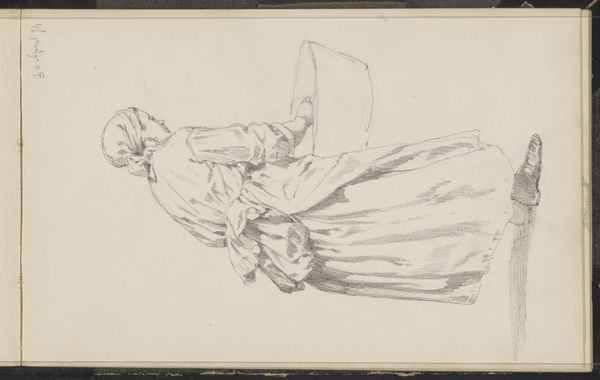
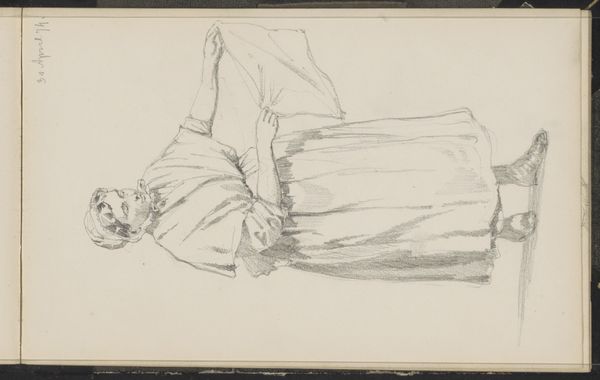
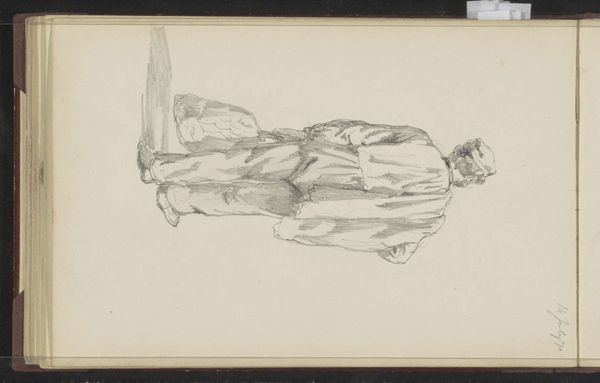
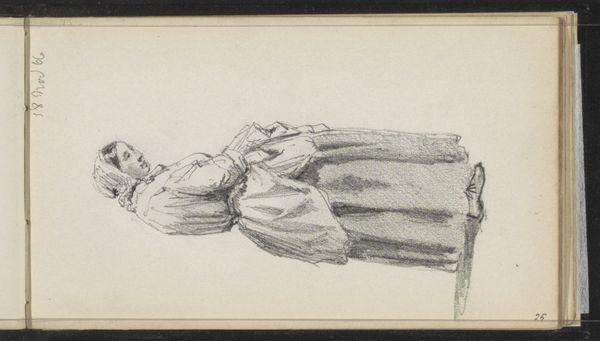
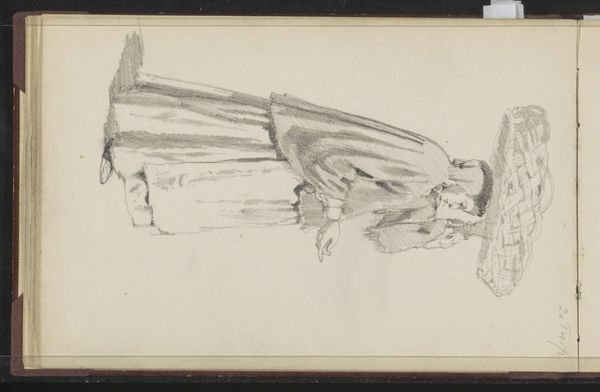
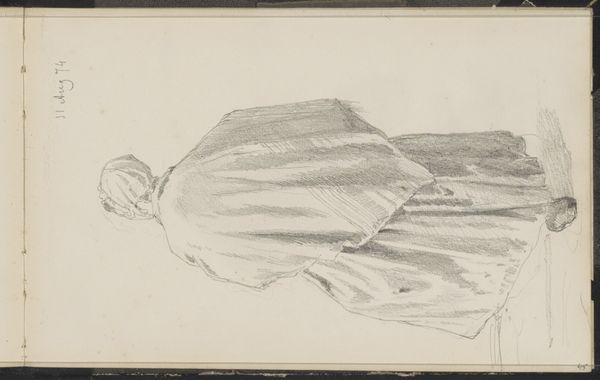
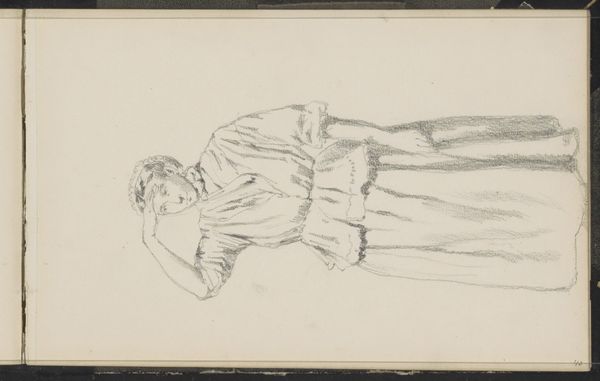
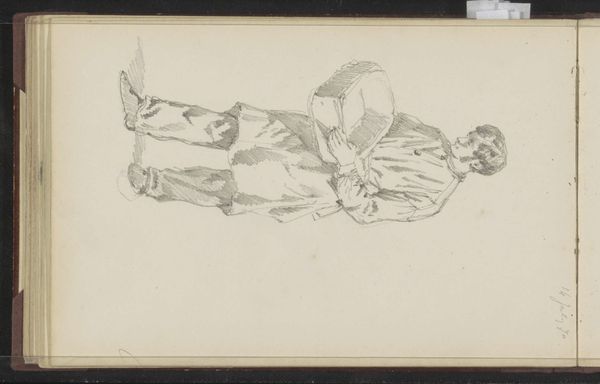
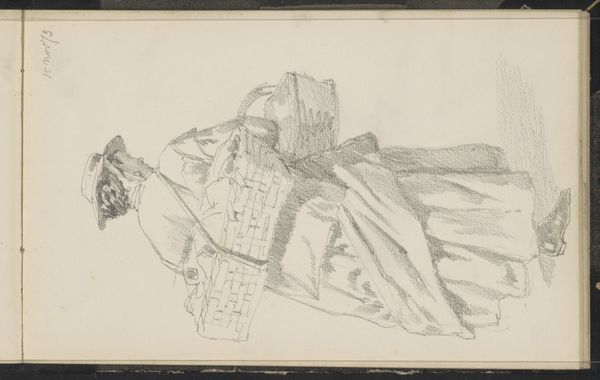
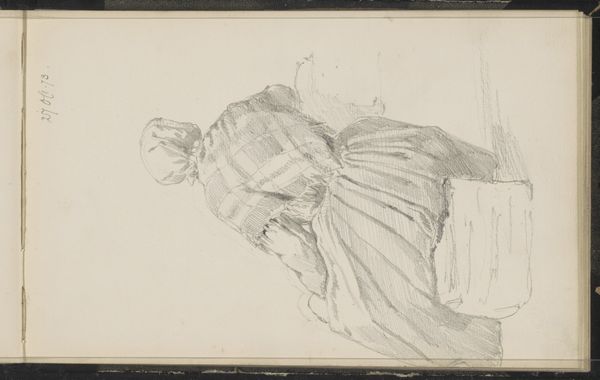
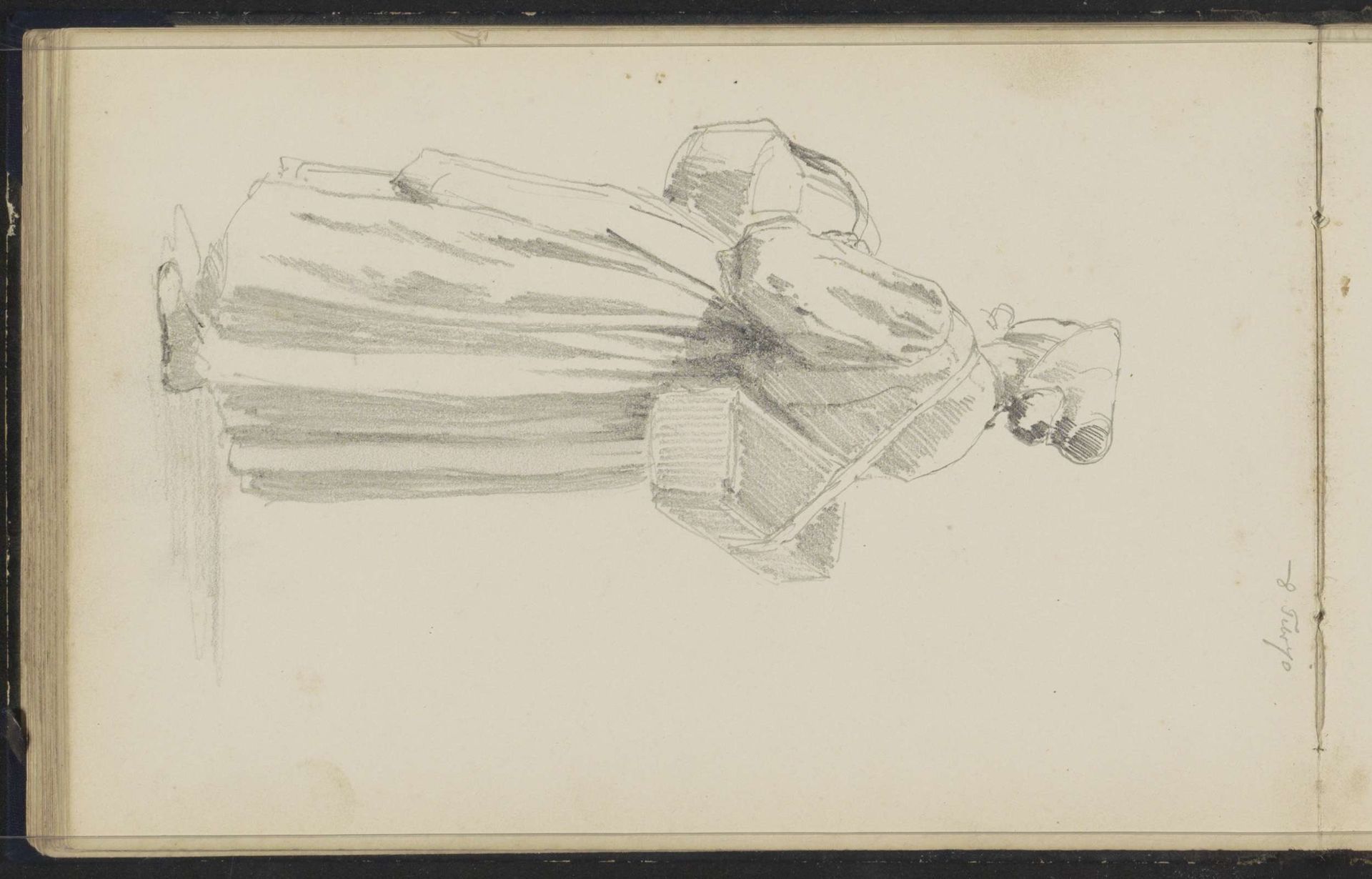
This sketch of a woman with a basket and a box was made by Cornelis Springer in the Netherlands. Sketches like this provide us a fascinating insight into the everyday lives of ordinary people in the Netherlands during the 19th century. Springer was part of a generation of Dutch artists who turned away from grand historical or mythological scenes in favour of humble, familiar subjects. This artistic shift reflected broader social and cultural changes. As the Industrial Revolution transformed Dutch society, artists became interested in capturing the lives of working-class people and the changing urban landscape. The woman’s dress and the items she carries suggest her social class and role within the community. These kind of sketches would have been preparatory studies of a new type of artistic production. Through careful research of archives, social histories, and popular culture, we can gain a deeper understanding of the social context in which Springer created this sketch and discover its significance in reflecting and shaping Dutch society.
Vrouw met een mand en een kist
Possibly 1870 - 1878

Cornelis Springer
1817 - 1891Location
RijksmuseumArtwork details
- Medium
- drawing, paper, pencil
- Location
- Rijksmuseum
- Copyright
- Rijks Museum: Open Domain
Tags
Comments
Share your thoughts
About this artwork
This sketch of a woman with a basket and a box was made by Cornelis Springer in the Netherlands. Sketches like this provide us a fascinating insight into the everyday lives of ordinary people in the Netherlands during the 19th century. Springer was part of a generation of Dutch artists who turned away from grand historical or mythological scenes in favour of humble, familiar subjects. This artistic shift reflected broader social and cultural changes. As the Industrial Revolution transformed Dutch society, artists became interested in capturing the lives of working-class people and the changing urban landscape. The woman’s dress and the items she carries suggest her social class and role within the community. These kind of sketches would have been preparatory studies of a new type of artistic production. Through careful research of archives, social histories, and popular culture, we can gain a deeper understanding of the social context in which Springer created this sketch and discover its significance in reflecting and shaping Dutch society.
Comments
Share your thoughts