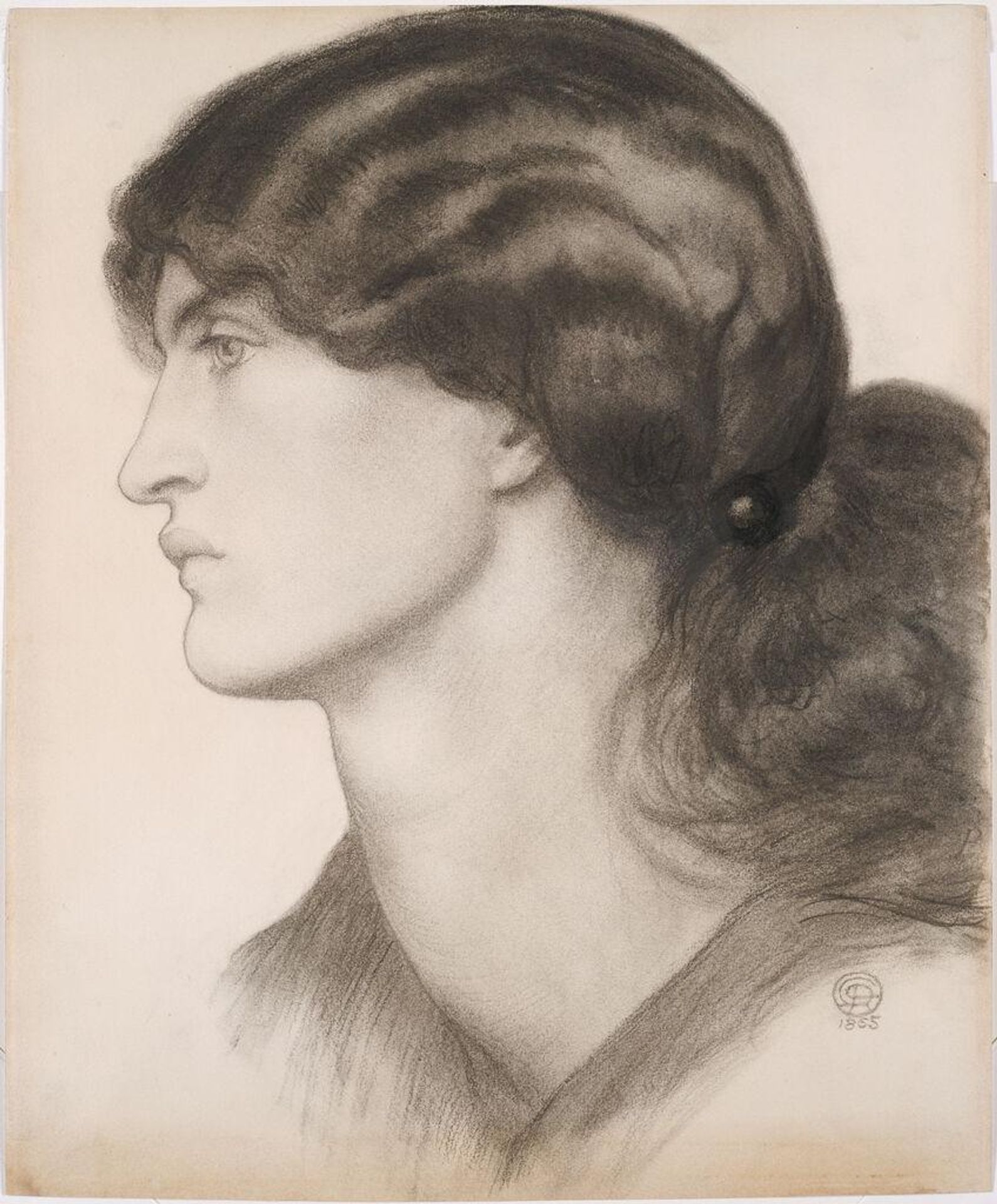
1865
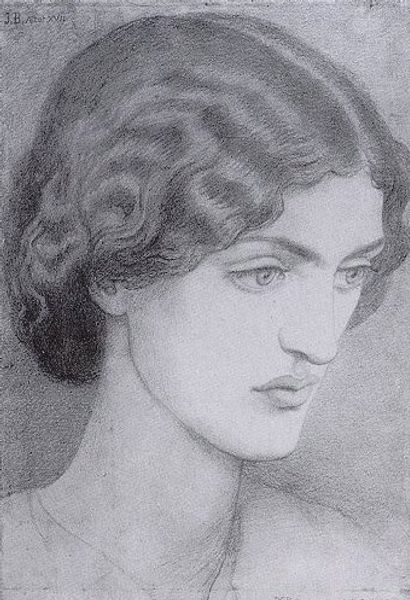
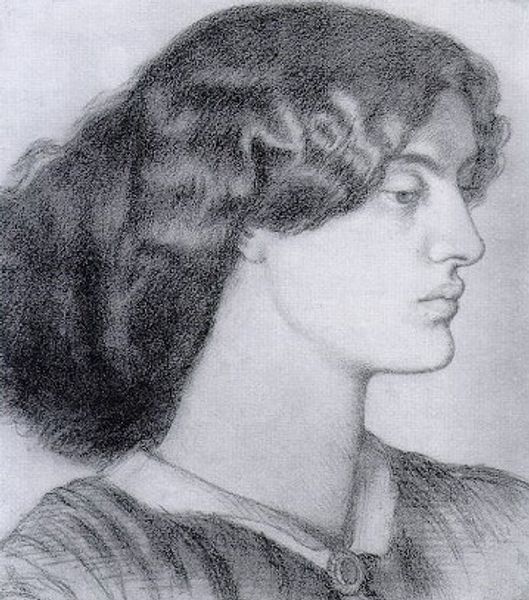
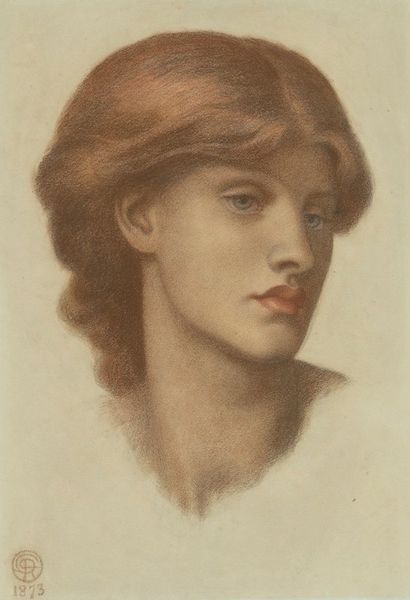
Portrait Head of Jane Morris


Listen to curator's interpretation
Curatorial notes
Curator: Gazing at this drawing, I'm immediately struck by how Rossetti captures a sense of quiet melancholy in Jane Morris. It's more than just a portrait; it's almost like he's trying to capture a fleeting, interior moment. Editor: And all achieved through the simple use of graphite on paper, roughly 42 by 35 centimeters. Consider the socio-economic implications. Rossetti's access to such fine materials speaks volumes. Curator: Indeed. I see it as a love letter of sorts. The soft rendering of her features, the way the light caresses her cheekbones...he’s clearly infatuated. It makes me wonder, what did Jane think of it? Editor: I'd argue the production of this drawing also involves Jane's labor, a form of emotional and physical performance for Rossetti's male gaze and artistic vision. Whose vision are we truly seeing here? Curator: A fair point. Still, the drawing’s power lies in its ability to evoke a complex mood. It reminds us that art, no matter how seemingly simple, can hold a universe of emotions, stories, and unspoken desires. Editor: Yes, and by analyzing the material conditions of its making, we can begin to understand the social and economic power dynamics that shaped it.