About this artwork
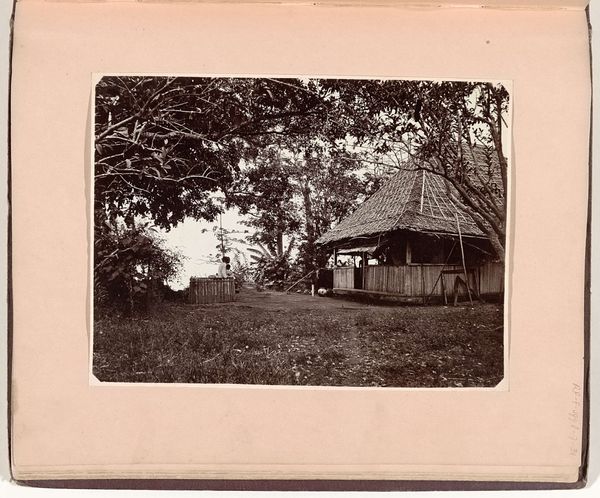
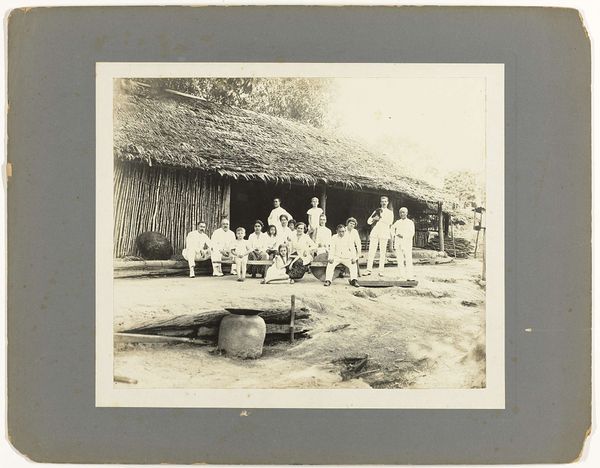
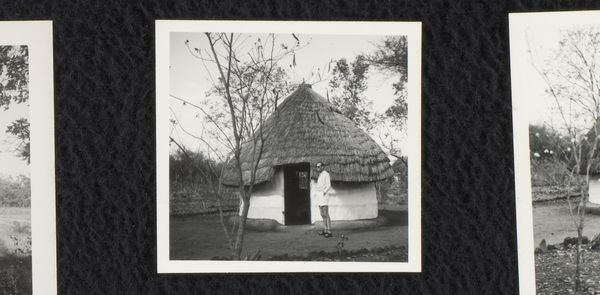
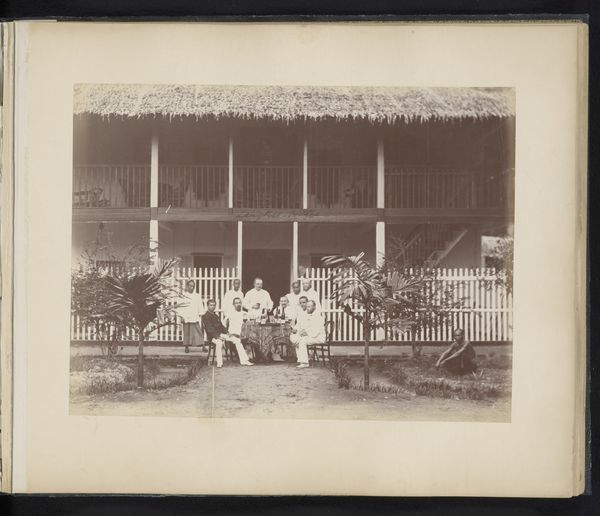
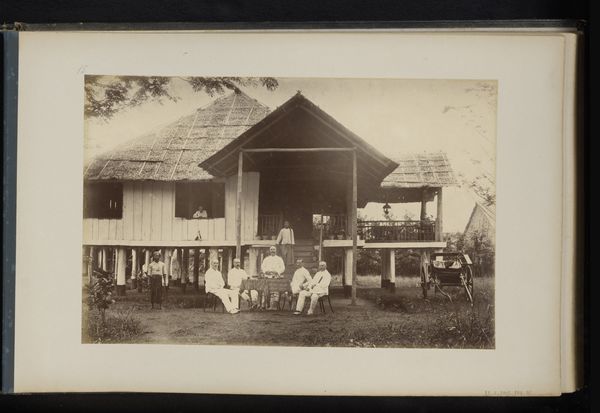
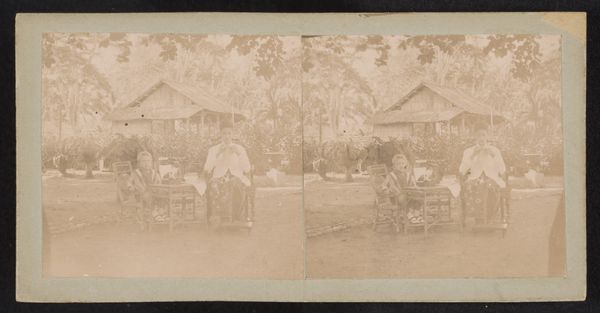
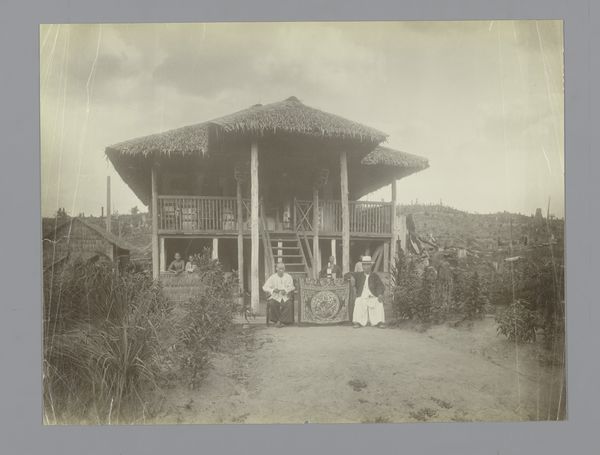
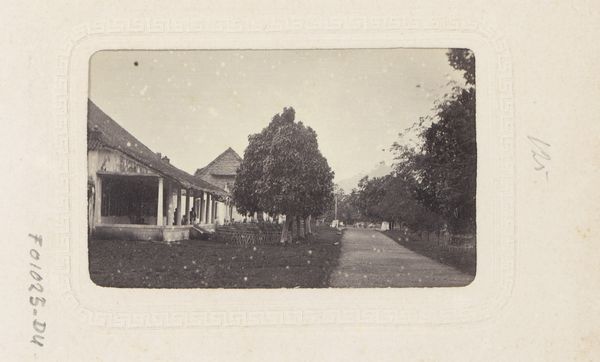
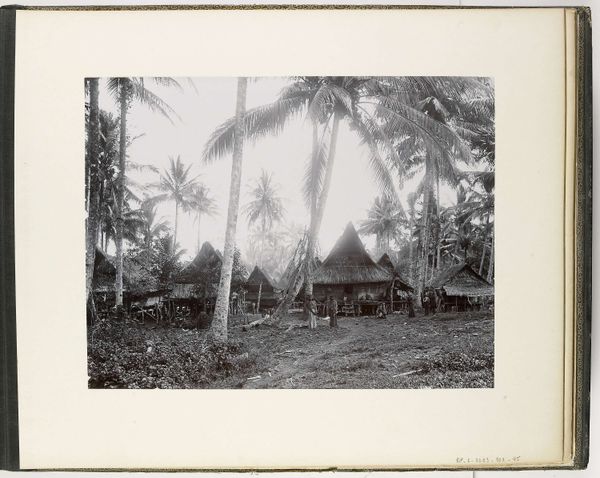
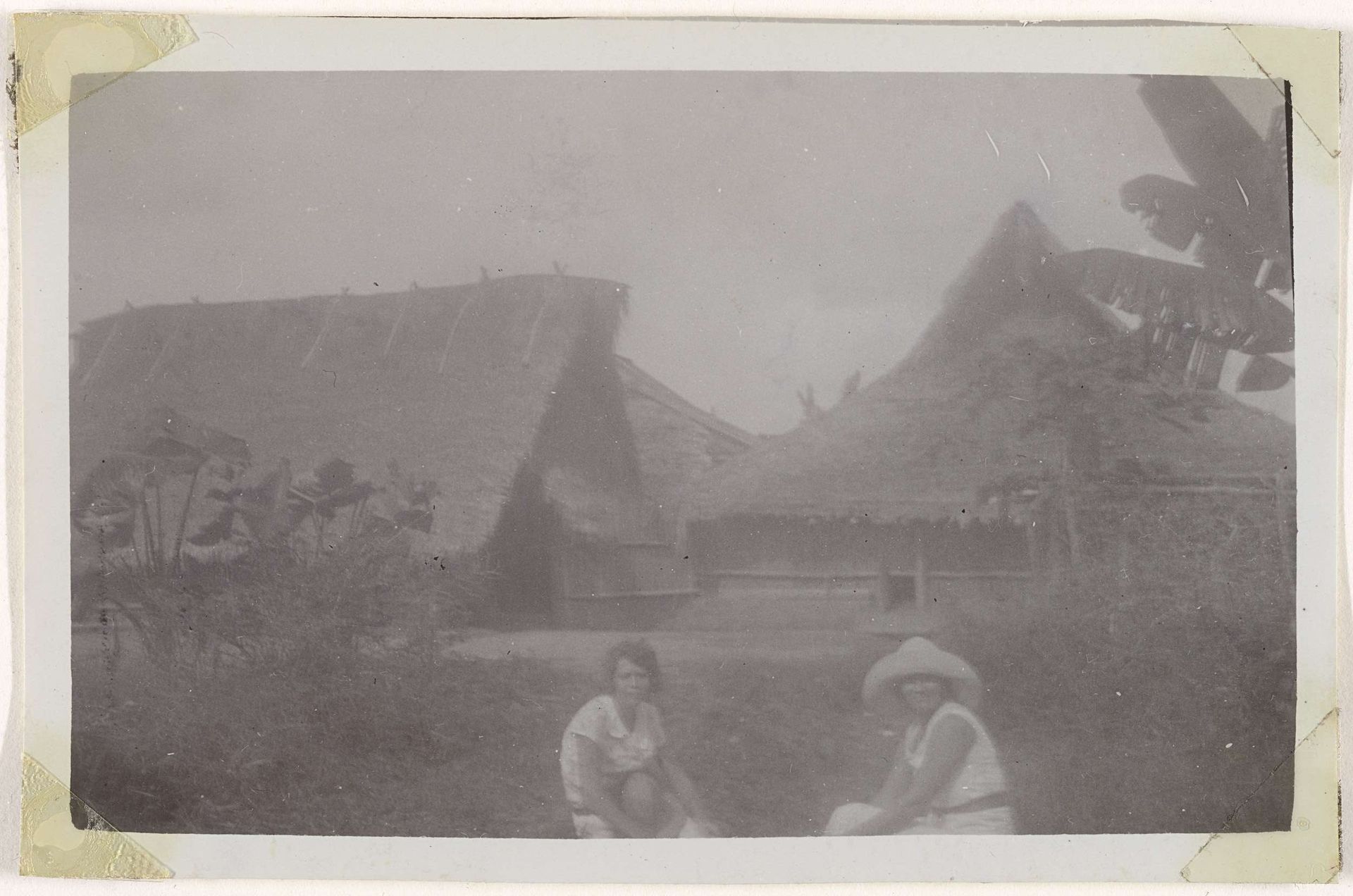
This photograph was taken by Theodoor Brouwers, depicting the dwelling of Asmo, a Javanese caretaker on the Accaribo plantation. Consider the contrast between the photographic process and the dwellings’ hand-crafted materiality. This albumen print captures a built environment constructed from local, organic materials, and fashioned with evident manual labor. Look closely, and you can see the textures of woven thatch and roughly hewn timbers. These building materials are not so different from those used to create indigenous crafts. Yet photography, though reliant on human skill, was also a distinctly modern technology, intimately tied to the expansion of colonialism. Plantations like Accaribo were nodes in a global network of resource extraction, and photography played its part, documenting and reinforcing the existing social hierarchy. This image invites us to consider how even seemingly straightforward documentary images are shaped by the processes and social contexts in which they are made. It blurs the boundaries between documentation, craft, and the economic realities of its time.
De woning van de Javaan Asmo, de verpleger van plantage Accaribo
1931

Theodoor Brouwers
1875 - 1932Location
RijksmuseumArtwork details
- Medium
- photography
- Dimensions
- height 57 mm, width 87 mm
- Location
- Rijksmuseum
- Copyright
- Rijks Museum: Open Domain
Tags
Comments
Share your thoughts
About this artwork
This photograph was taken by Theodoor Brouwers, depicting the dwelling of Asmo, a Javanese caretaker on the Accaribo plantation. Consider the contrast between the photographic process and the dwellings’ hand-crafted materiality. This albumen print captures a built environment constructed from local, organic materials, and fashioned with evident manual labor. Look closely, and you can see the textures of woven thatch and roughly hewn timbers. These building materials are not so different from those used to create indigenous crafts. Yet photography, though reliant on human skill, was also a distinctly modern technology, intimately tied to the expansion of colonialism. Plantations like Accaribo were nodes in a global network of resource extraction, and photography played its part, documenting and reinforcing the existing social hierarchy. This image invites us to consider how even seemingly straightforward documentary images are shaped by the processes and social contexts in which they are made. It blurs the boundaries between documentation, craft, and the economic realities of its time.
Comments
Share your thoughts