About this artwork
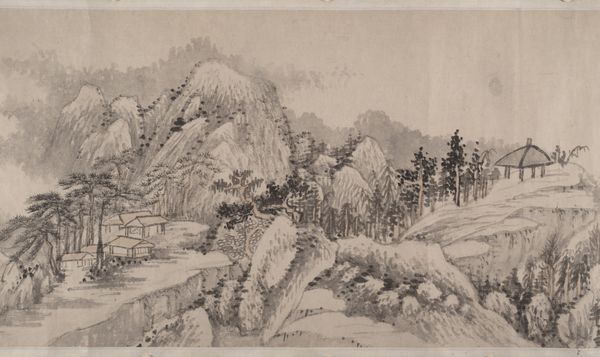
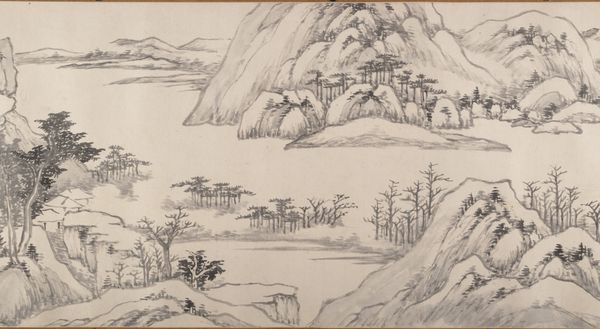
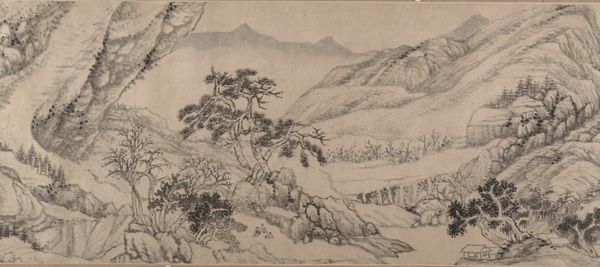
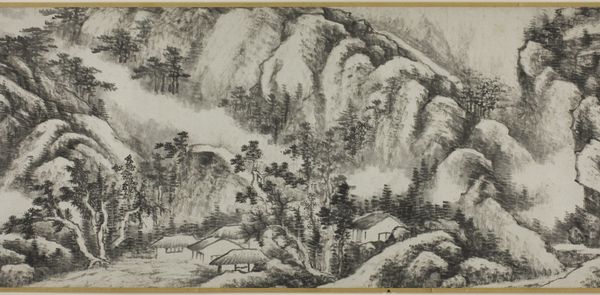
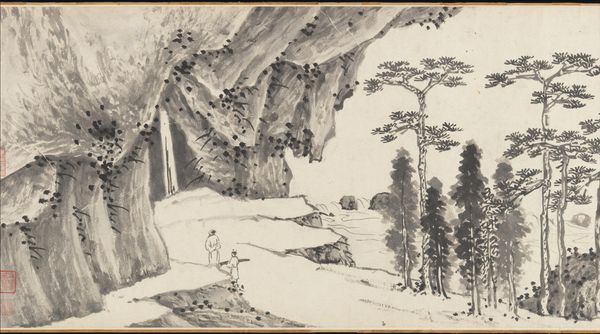
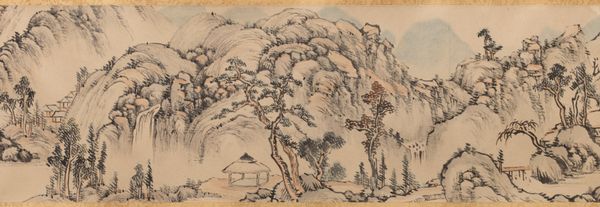
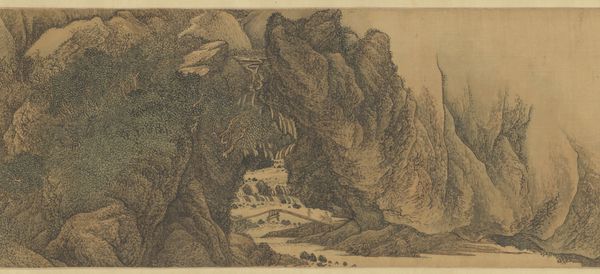
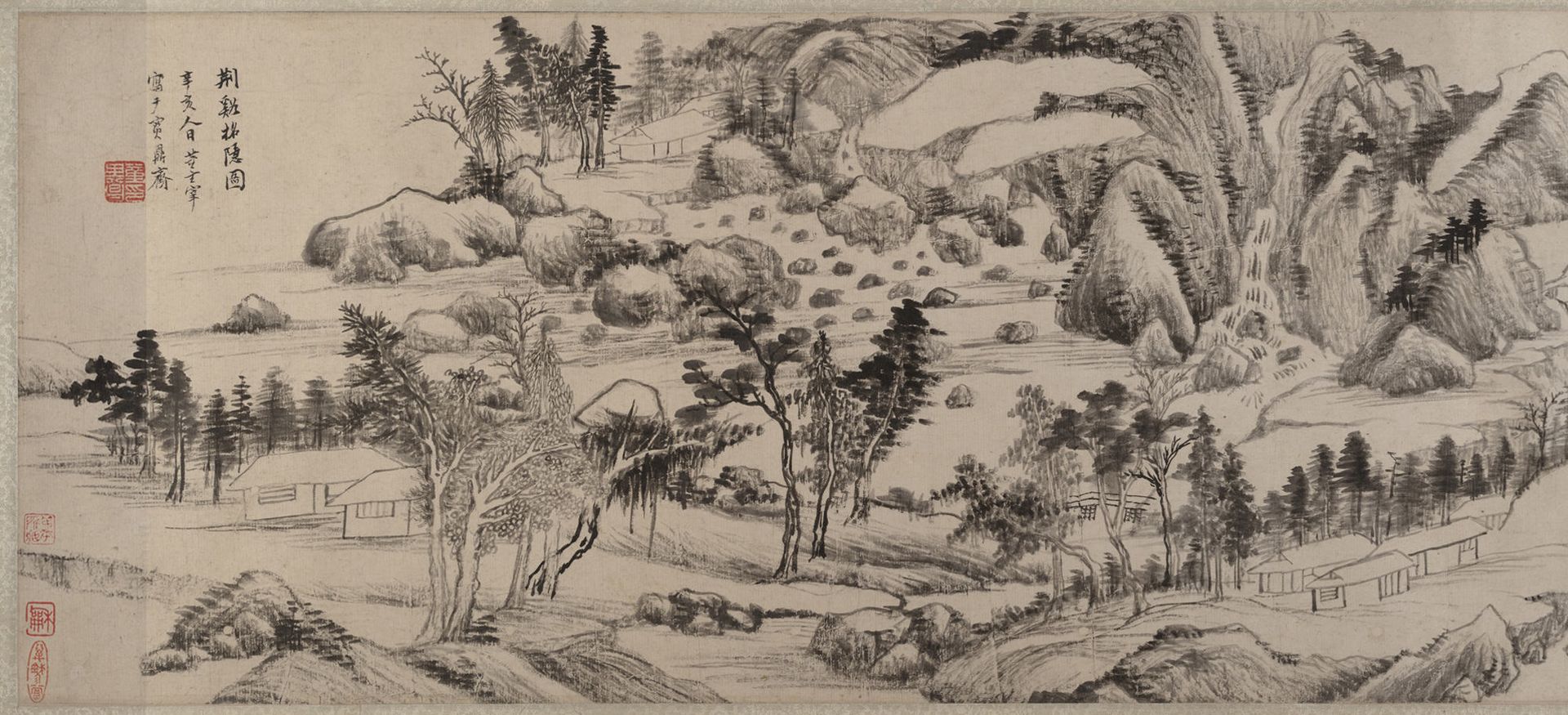
Dong Qichang made "Invitation to Reclusion at Jingxi" with ink on paper during a period of social and political change in China. Dong, as a member of the literati class, would have experienced the shifts in power and cultural values of the late Ming Dynasty. The monochrome ink wash creates a sense of simplicity that evokes a feeling of longing for a simpler, more natural existence. The artist seems to suggest that a life of seclusion offers a respite from the complexities of society. The painting invites us to contemplate our relationship with nature and society, echoing the Daoist philosophy of living in harmony with the natural world. It offers an alternative to the rigid social hierarchies and expectations of the time. The act of reclusion can also be seen as a form of resistance or self-preservation. This artwork invites us to reflect on the meaning of personal freedom and contentment in a world that often feels chaotic and overwhelming.
Invitation to Reclusion at Jingxi
1611


Artwork details
- Medium
- drawing, paper, ink, pencil
- Dimensions
- Image: 10 1/4 × 36 7/16 in. (26 × 92.6 cm)
- Location
- Metropolitan Museum of Art, New York, NY
- Copyright
- Public Domain
Tags
drawing
pen sketch
pencil sketch
asian-art
landscape
figuration
paper
22_ming-dynasty-1368-1644
ink
pencil
line
Comments
Be the first to share your thoughts about this work.
About this artwork
Dong Qichang made "Invitation to Reclusion at Jingxi" with ink on paper during a period of social and political change in China. Dong, as a member of the literati class, would have experienced the shifts in power and cultural values of the late Ming Dynasty. The monochrome ink wash creates a sense of simplicity that evokes a feeling of longing for a simpler, more natural existence. The artist seems to suggest that a life of seclusion offers a respite from the complexities of society. The painting invites us to contemplate our relationship with nature and society, echoing the Daoist philosophy of living in harmony with the natural world. It offers an alternative to the rigid social hierarchies and expectations of the time. The act of reclusion can also be seen as a form of resistance or self-preservation. This artwork invites us to reflect on the meaning of personal freedom and contentment in a world that often feels chaotic and overwhelming.
Comments
Be the first to share your thoughts about this work.