About this artwork
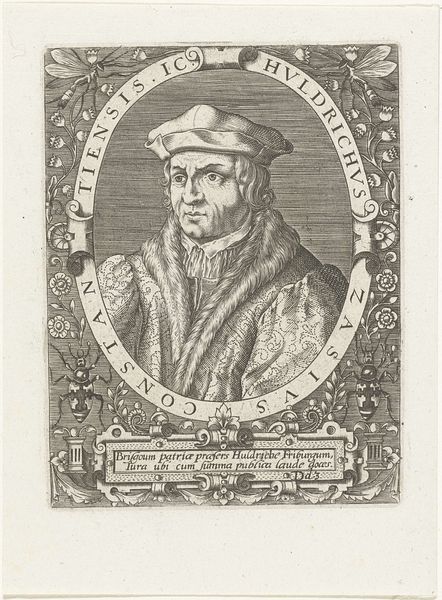
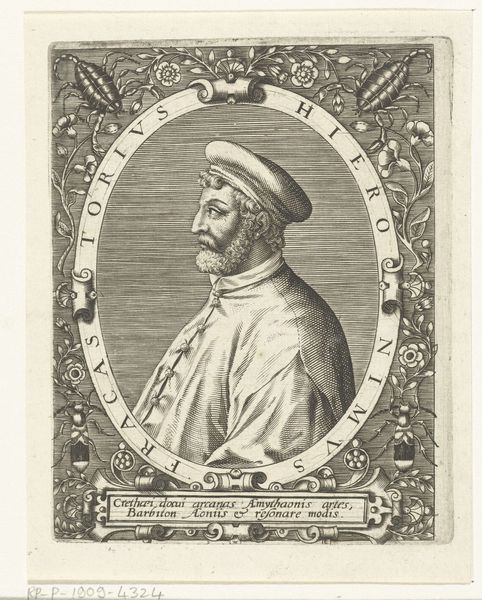
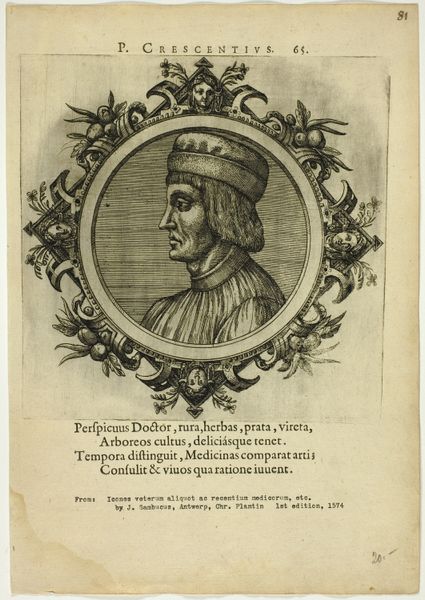
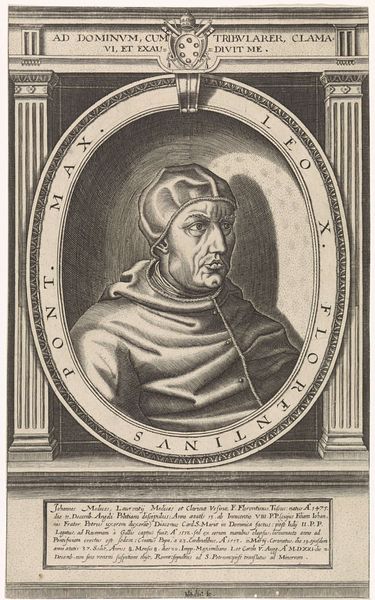
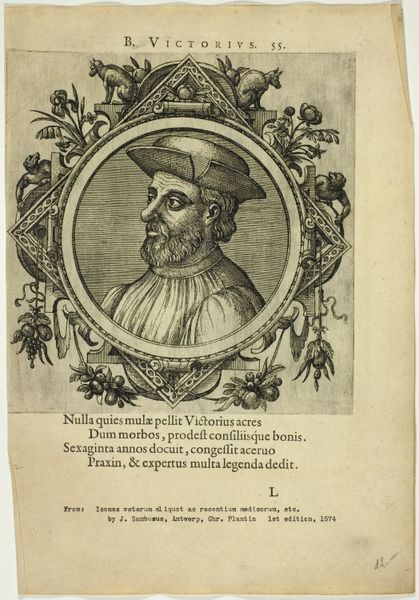
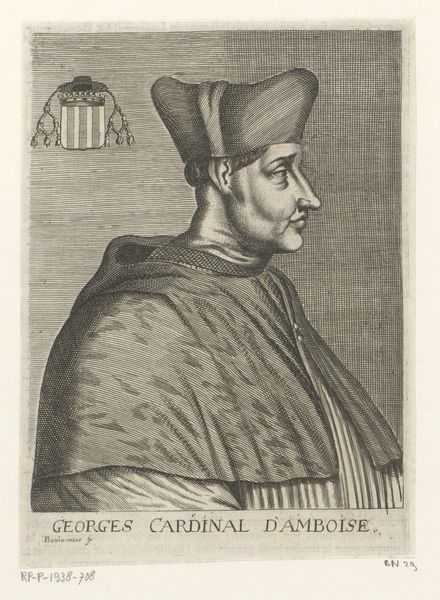
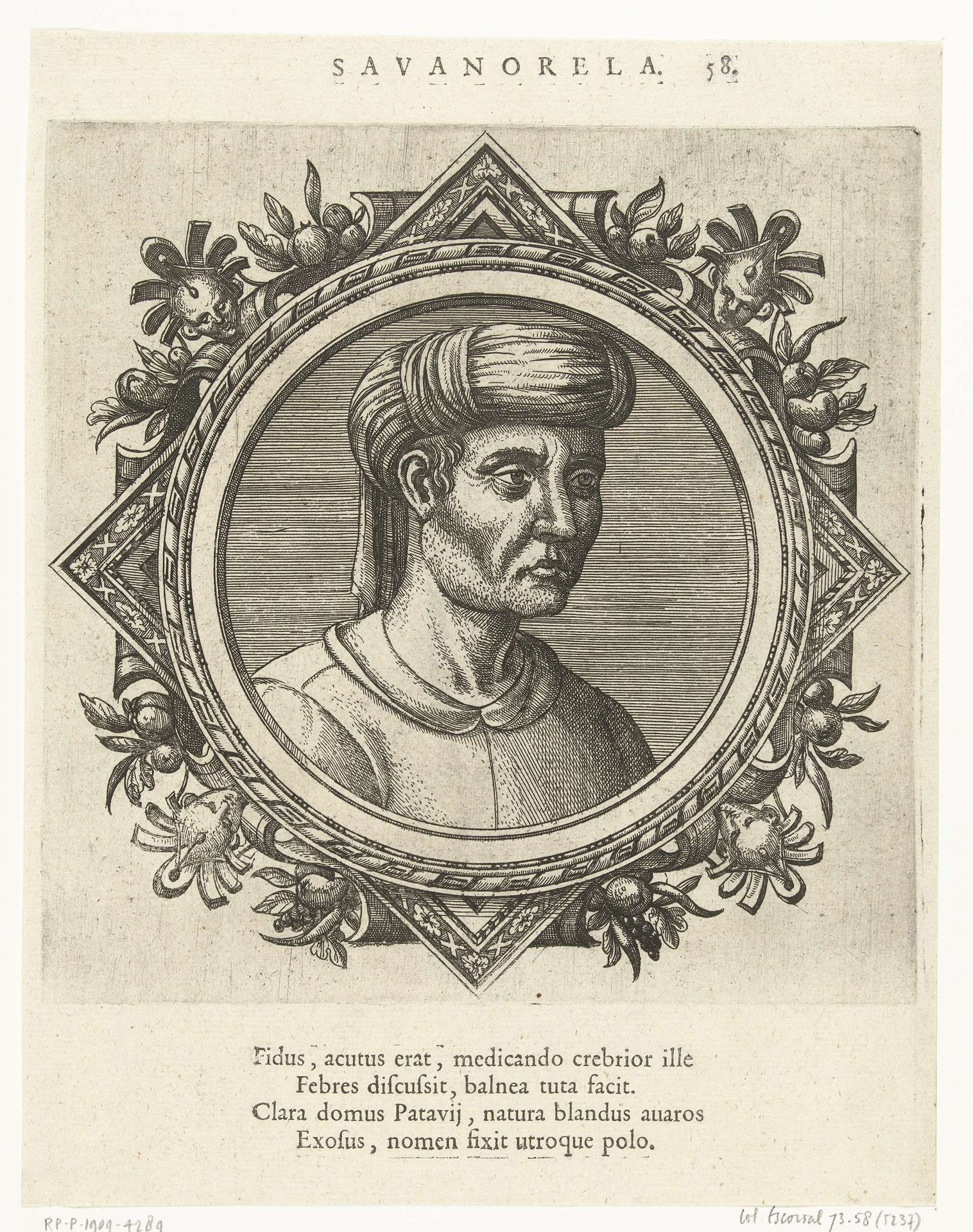
Pieter van der Borcht the Elder created this portrait of Michele Savanorola using the intaglio printmaking technique of engraving. This would have involved meticulously incising lines into a metal plate, inking it, and then pressing paper against the plate to transfer the image. Notice the density of the engraved lines, creating tone and shadow that give Savanorola’s face a sense of depth. The skill required for such precise work, coupled with the relatively high cost of materials, would have been considerable. The image is surrounded by an ornate frame with foliage and fruit, which adds to the overall sense of luxury and refinement. Engravings like this served not only as portraits, but as a means of circulating images and ideas within a growing print culture, contributing to the development of a public sphere in early modern Europe. It prompts us to consider the broader economic and social context in which it was produced, and how the printmaking process itself shaped its meaning and impact.
Portret van Michele Savanorola
1574 - 1612

Pieter van der (I) Borcht
1545 - 1608Location
RijksmuseumArtwork details
- Medium
- print, engraving
- Dimensions
- height 187 mm, width 187 mm, height 249 mm, width 195 mm
- Location
- Rijksmuseum
- Copyright
- Rijks Museum: Open Domain
Tags
Comments
Share your thoughts
About this artwork
Pieter van der Borcht the Elder created this portrait of Michele Savanorola using the intaglio printmaking technique of engraving. This would have involved meticulously incising lines into a metal plate, inking it, and then pressing paper against the plate to transfer the image. Notice the density of the engraved lines, creating tone and shadow that give Savanorola’s face a sense of depth. The skill required for such precise work, coupled with the relatively high cost of materials, would have been considerable. The image is surrounded by an ornate frame with foliage and fruit, which adds to the overall sense of luxury and refinement. Engravings like this served not only as portraits, but as a means of circulating images and ideas within a growing print culture, contributing to the development of a public sphere in early modern Europe. It prompts us to consider the broader economic and social context in which it was produced, and how the printmaking process itself shaped its meaning and impact.
Comments
Share your thoughts