About this artwork
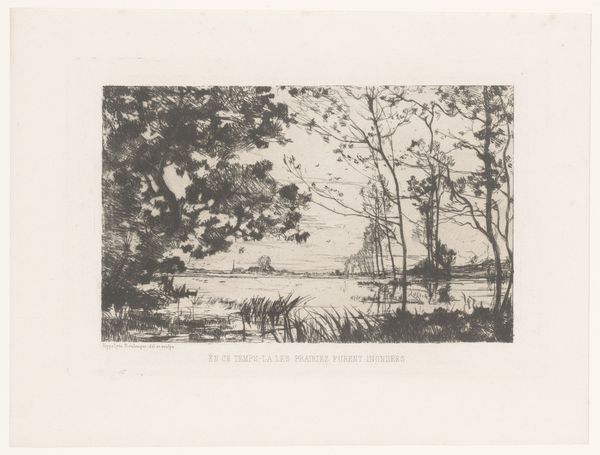
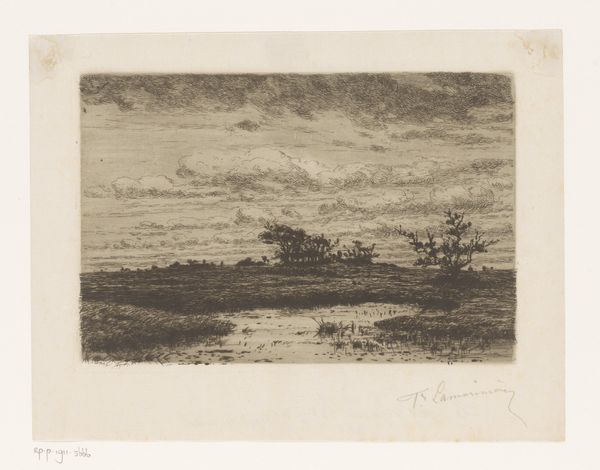
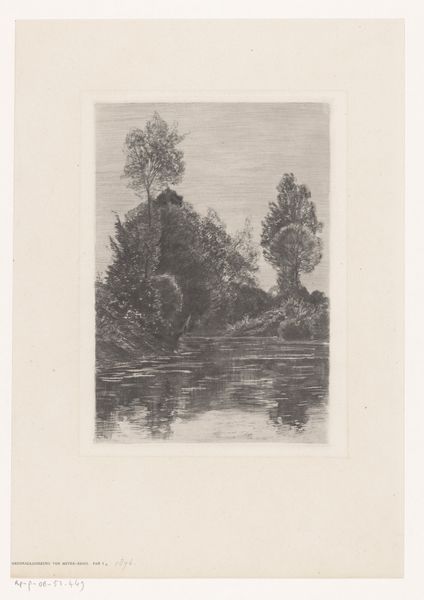
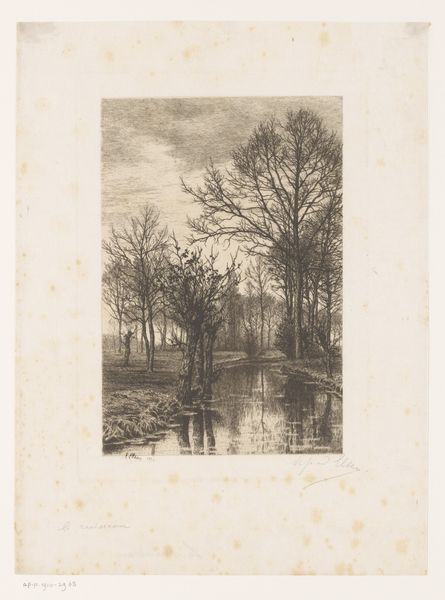
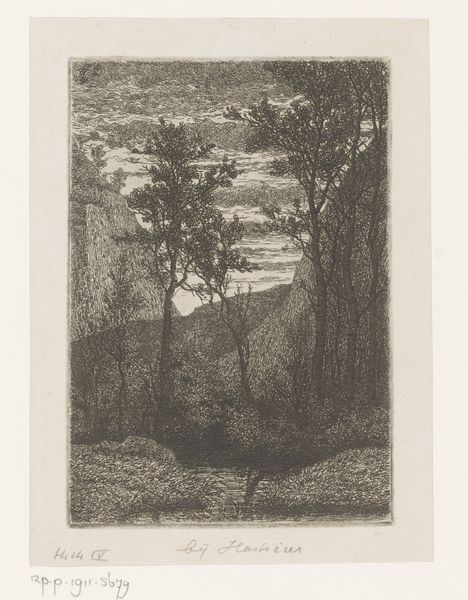
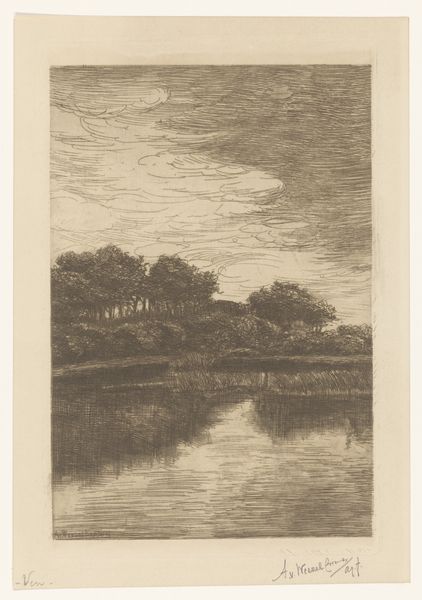
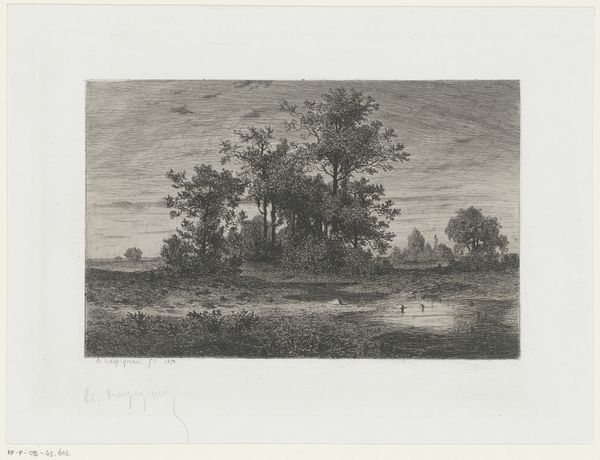
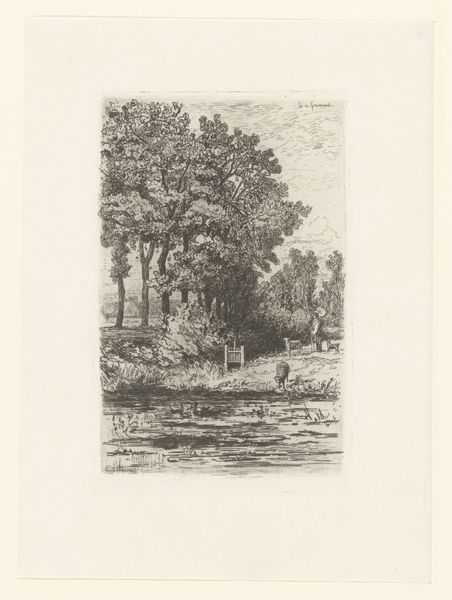
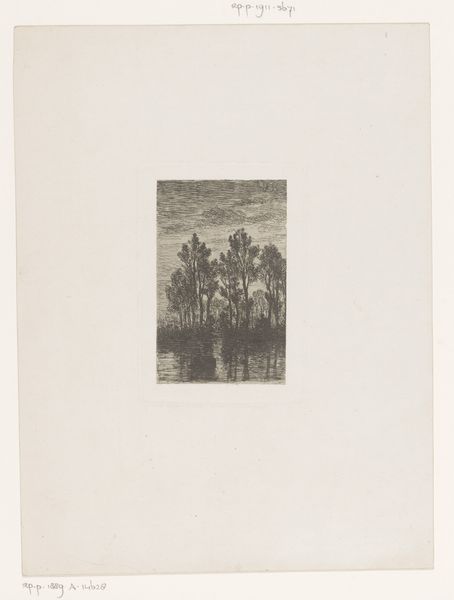
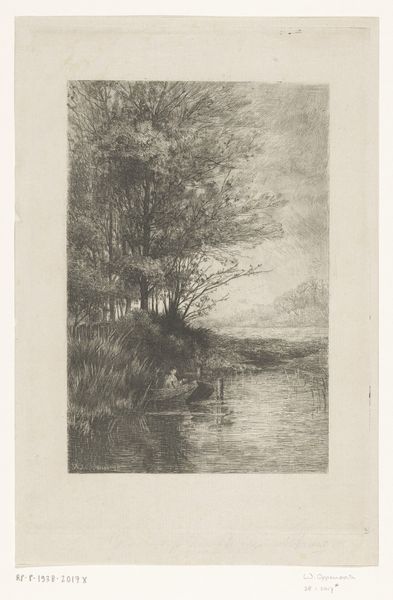
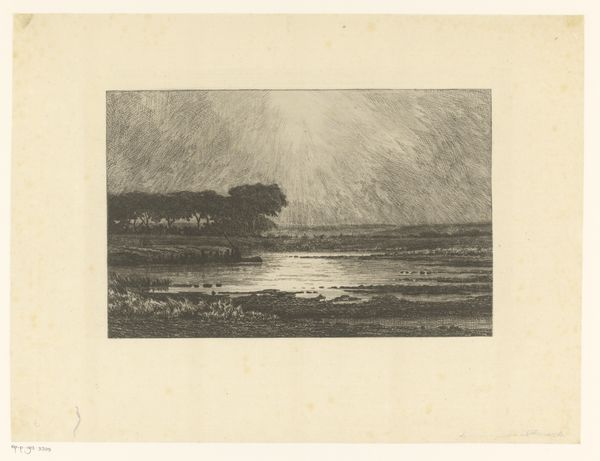
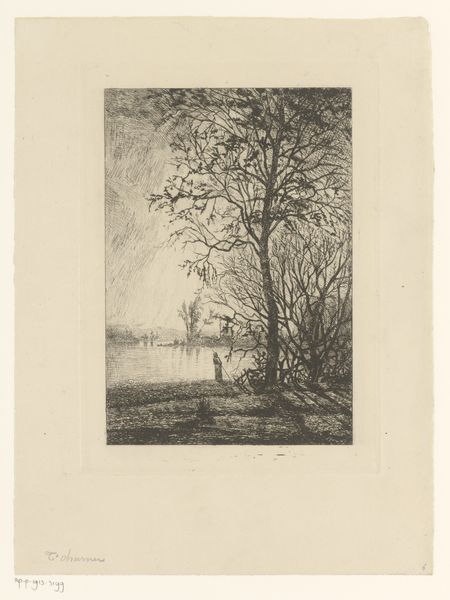
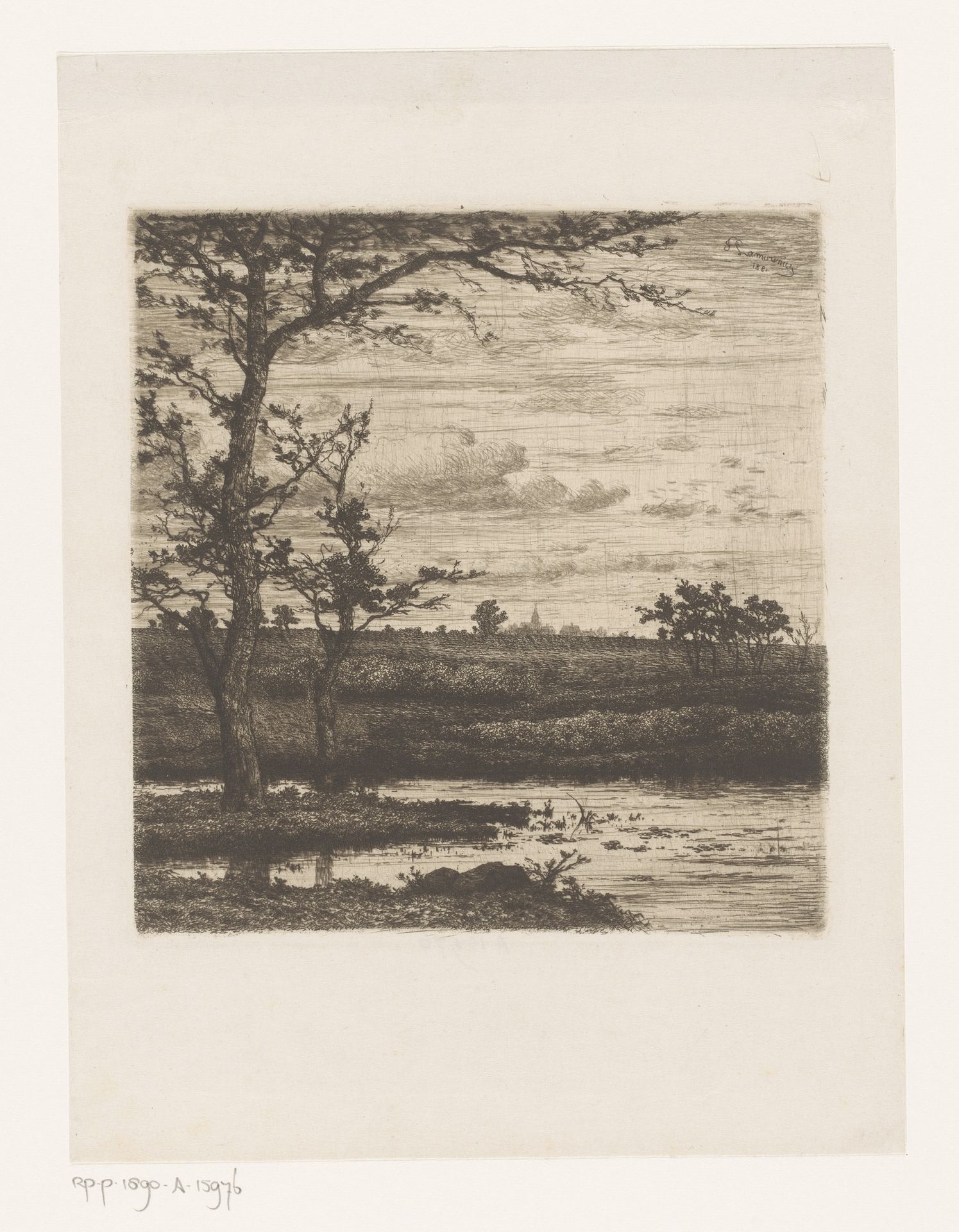
Jean Pierre François Lamorinière created this landscape with water and trees using etching. Considering the social conditions that shape artistic production, we can observe how the detailed rendering of nature became a popular subject in 19th-century Belgium. Artists turned their attention to the local landscapes. Lamorinière and his contemporaries were part of a broader cultural movement. They looked at the rise of landscape painting as a way to express national identity and cultural pride. The images create meaning through visual codes. For example, idyllic scenes of rural life were often associated with values like hard work, simplicity, and connection to the land. The role of art historians involves looking at the institutional and social context in which art is made. In doing so, we learn how art reflects and shapes our understanding of the world. The meaning of art is contingent on the social and institutional context.
Landschap met waterpartij en bomen, een dorp op de achtergrond
1881

Jean Pierre François Lamorinière
1828 - 1911Location
RijksmuseumArtwork details
- Dimensions
- height 193 mm, width 186 mm
- Location
- Rijksmuseum
- Copyright
- Rijks Museum: Open Domain
Comments
Share your thoughts
About this artwork
Jean Pierre François Lamorinière created this landscape with water and trees using etching. Considering the social conditions that shape artistic production, we can observe how the detailed rendering of nature became a popular subject in 19th-century Belgium. Artists turned their attention to the local landscapes. Lamorinière and his contemporaries were part of a broader cultural movement. They looked at the rise of landscape painting as a way to express national identity and cultural pride. The images create meaning through visual codes. For example, idyllic scenes of rural life were often associated with values like hard work, simplicity, and connection to the land. The role of art historians involves looking at the institutional and social context in which art is made. In doing so, we learn how art reflects and shapes our understanding of the world. The meaning of art is contingent on the social and institutional context.
Comments
Share your thoughts