About this artwork
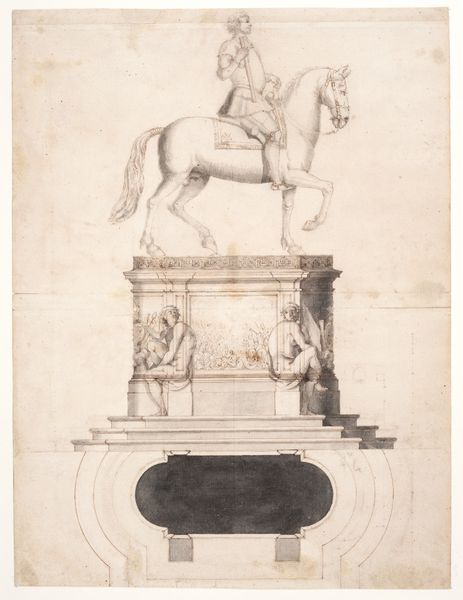
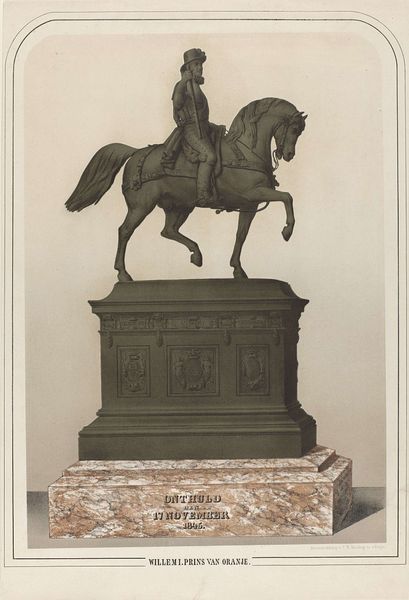
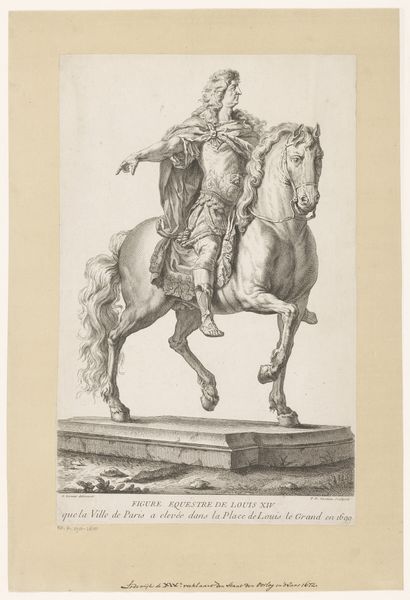
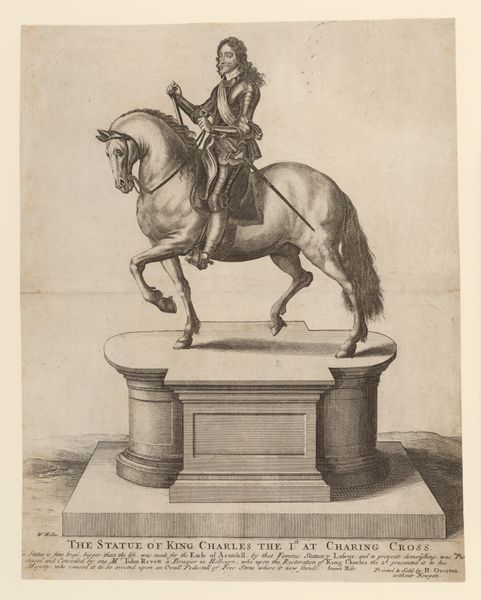
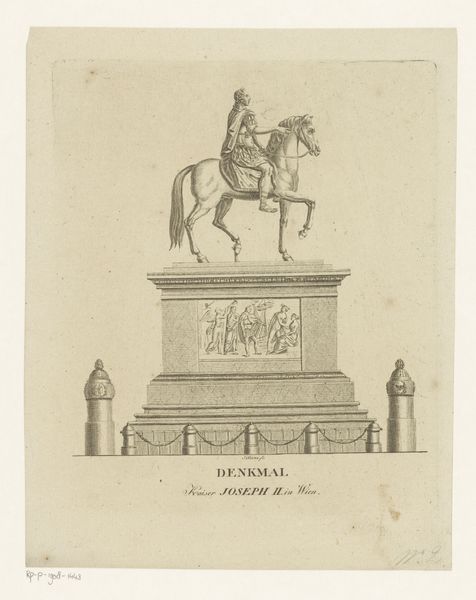
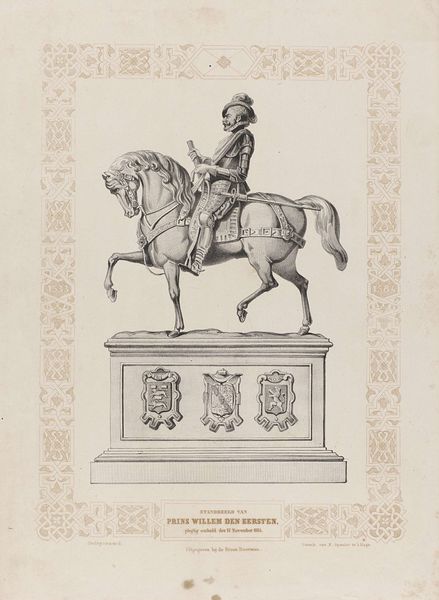
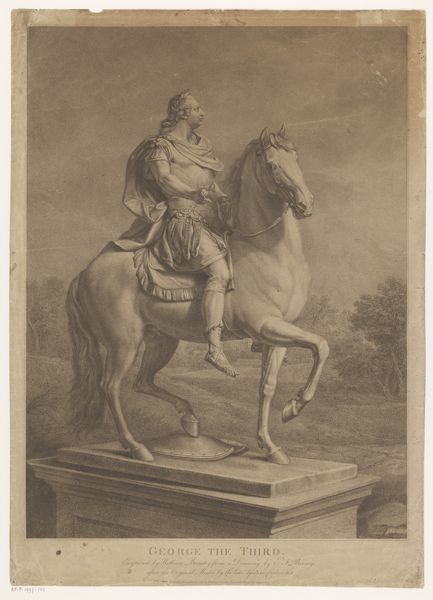
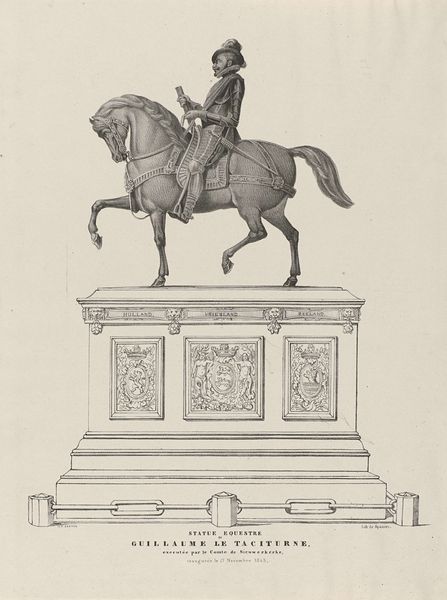
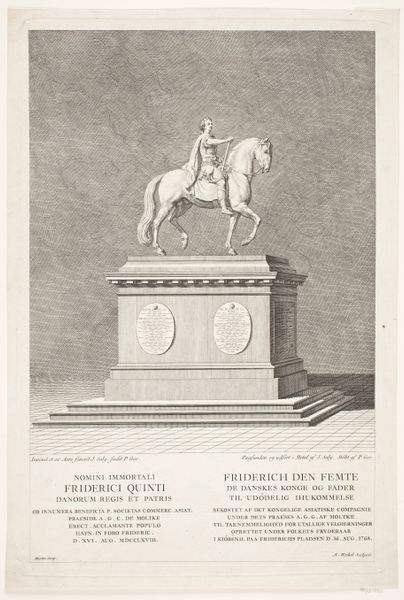
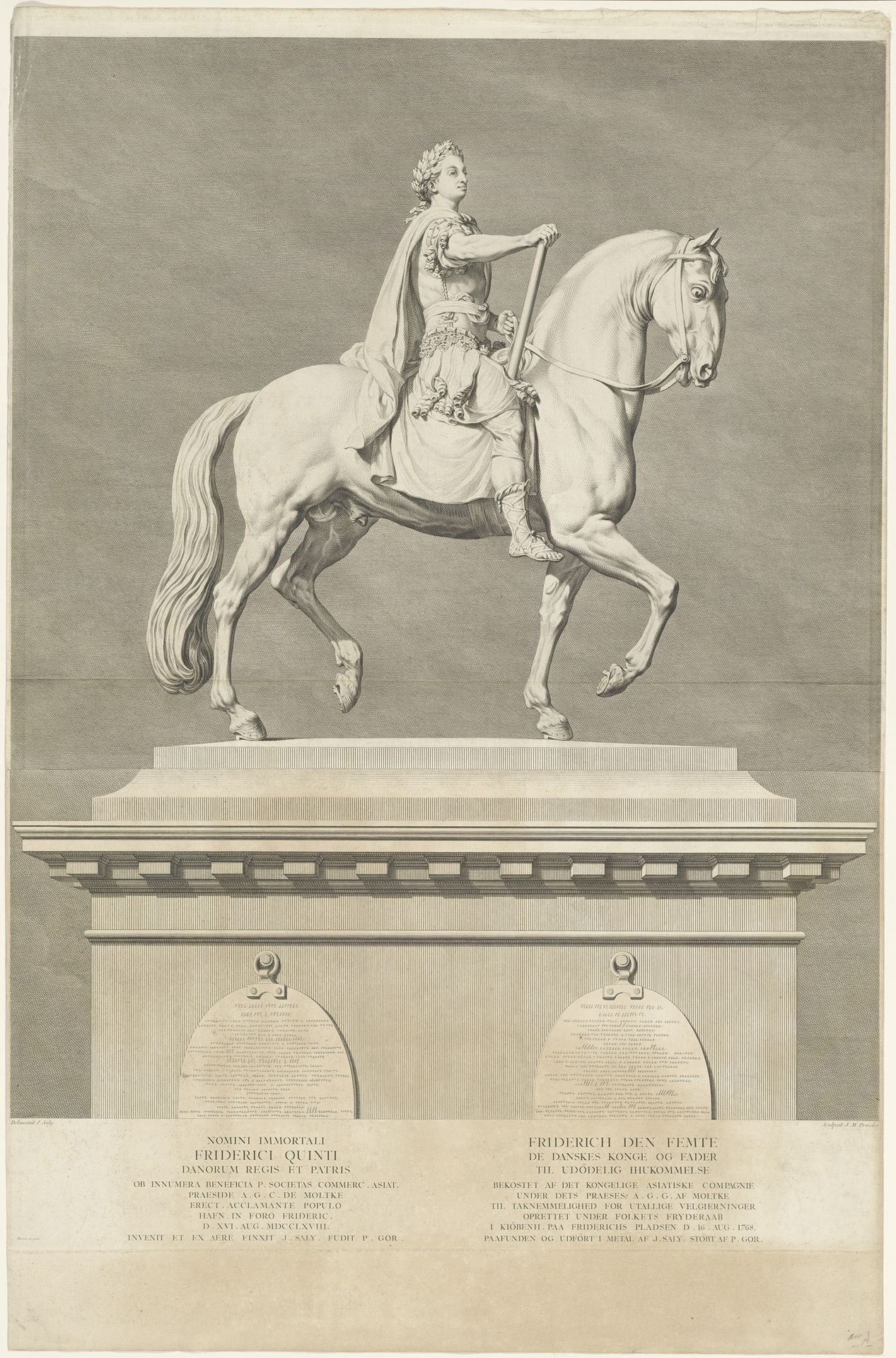
This is Johann Martin Preissler's "Equestrian statue of Frederick V of Denmark," an engraving. It is a study of Jacques Saly’s equestrian statue of King Frederick V, a public monument erected in Copenhagen in 1771. Here we see the King depicted heroically on horseback, adorned in classical garb, meant to evoke ideals of enlightenment and power. But how might the Danish people have reconciled this depiction with the realities of his reign? Frederick V, while remembered as a patron of the arts and sciences, also oversaw a colonial administration marked by exploitation and the transatlantic slave trade. Engravings like this one were often commissioned by the royal court as a form of propaganda, intended to legitimize the rule of the monarchy and project an image of strength and stability. However, we might reflect on the emotional and personal dimensions of viewing such a work today, given our heightened awareness of historical injustices. Do these images of power still resonate, or do they now evoke a more complex narrative, one that includes the voices of those who were marginalized and oppressed?
Ruiterstandbeeld van Frederik V van Denemarken 1768 - 1794

Johann Martin Preissler
1715 - 1794Location
RijksmuseumArtwork details
- Dimensions
- height 883 mm, width 628 mm
- Location
- Rijksmuseum
- Copyright
- Rijks Museum: Open Domain
Comments
No comments
About this artwork
This is Johann Martin Preissler's "Equestrian statue of Frederick V of Denmark," an engraving. It is a study of Jacques Saly’s equestrian statue of King Frederick V, a public monument erected in Copenhagen in 1771. Here we see the King depicted heroically on horseback, adorned in classical garb, meant to evoke ideals of enlightenment and power. But how might the Danish people have reconciled this depiction with the realities of his reign? Frederick V, while remembered as a patron of the arts and sciences, also oversaw a colonial administration marked by exploitation and the transatlantic slave trade. Engravings like this one were often commissioned by the royal court as a form of propaganda, intended to legitimize the rule of the monarchy and project an image of strength and stability. However, we might reflect on the emotional and personal dimensions of viewing such a work today, given our heightened awareness of historical injustices. Do these images of power still resonate, or do they now evoke a more complex narrative, one that includes the voices of those who were marginalized and oppressed?
Comments
No comments