before 1835
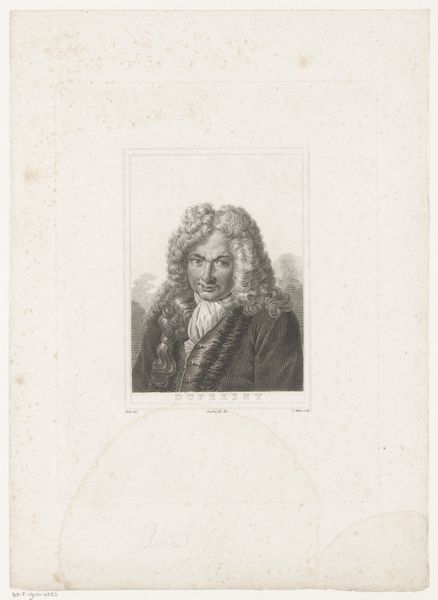
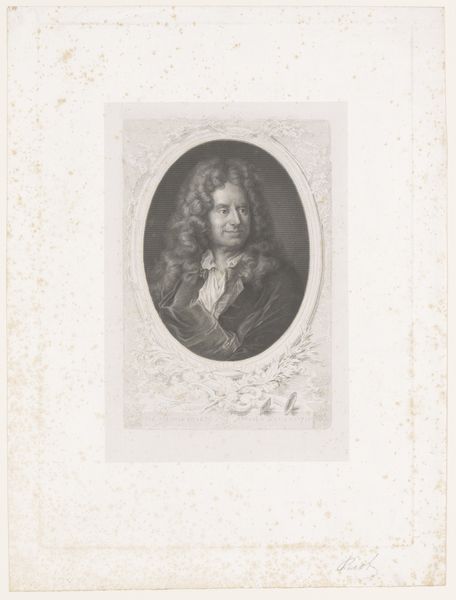
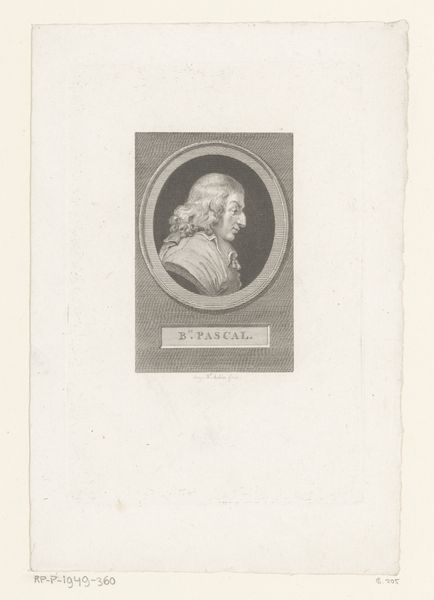
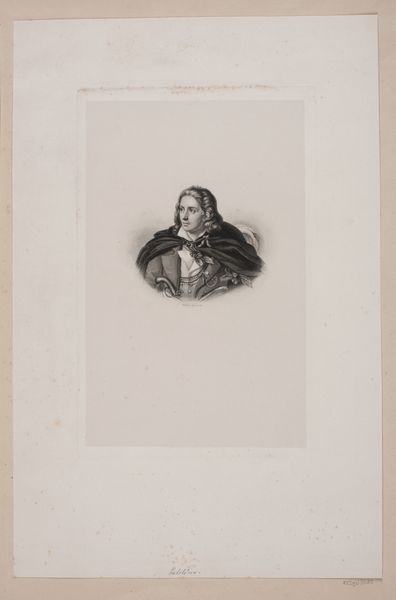
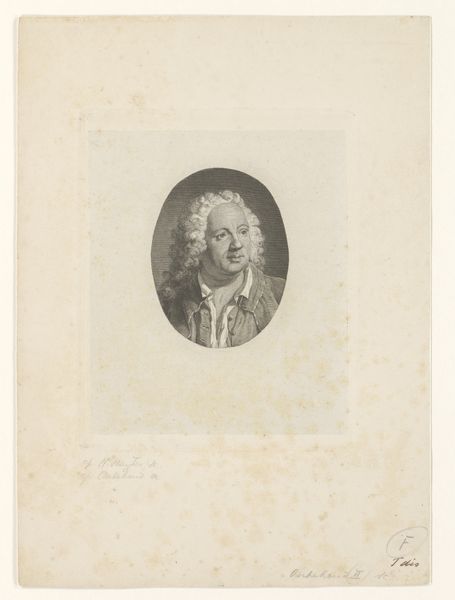
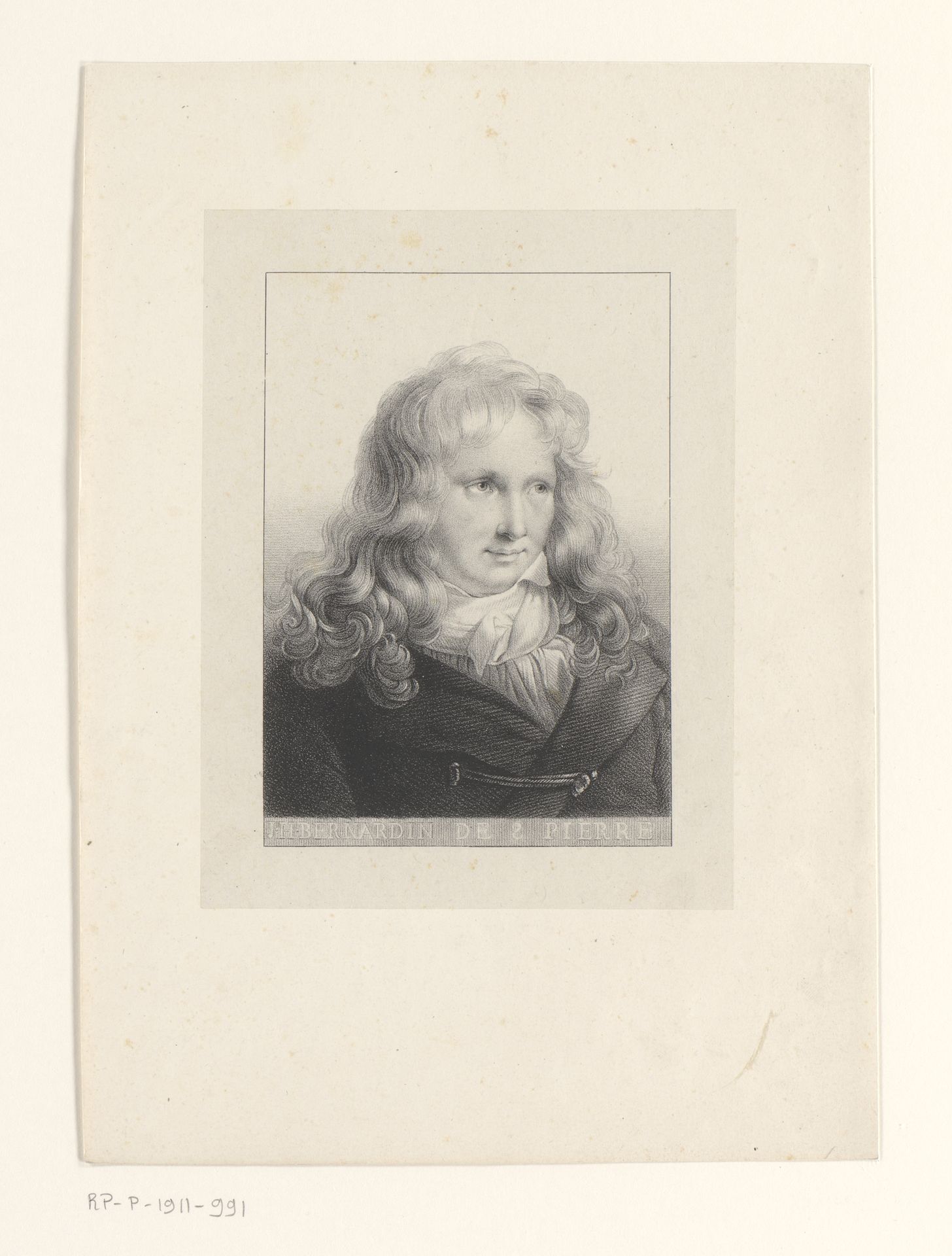
Portret van de schrijver en botanicus Jacques-Henri Bernardin de Saint-Pierre

Listen to curator's interpretation
Curatorial notes
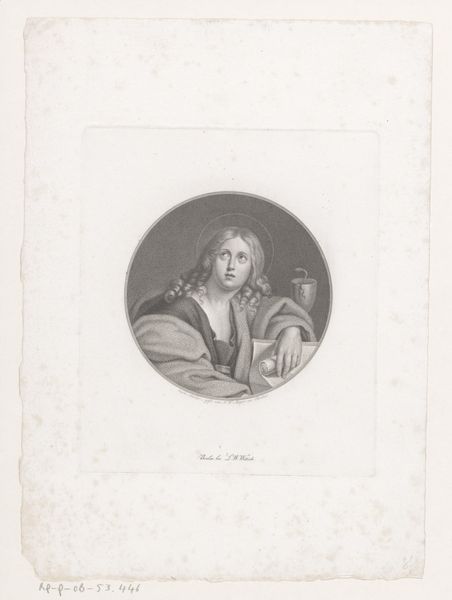
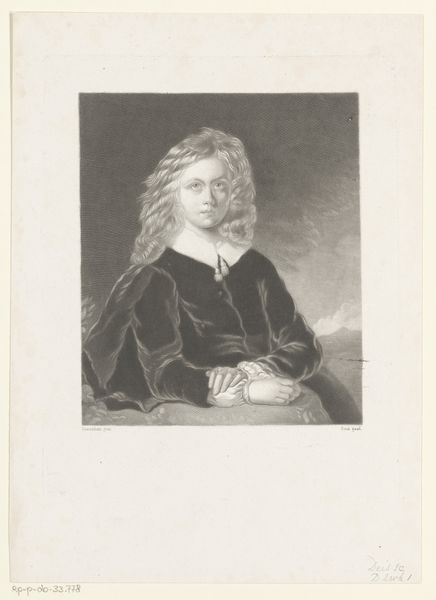
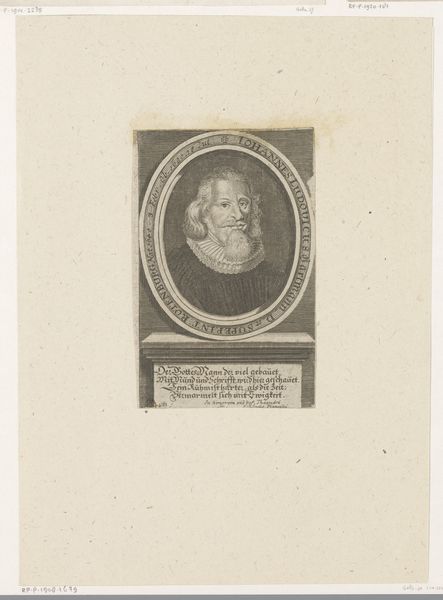
This is a portrait of Jacques-Henri Bernardin de Saint-Pierre made by an anonymous artist, we’re not sure exactly when. It's an engraving, meaning the image was incised into a metal plate, inked, and then printed onto paper. Looking closely, you can see how the fine lines create subtle shading and texture, particularly in Saint-Pierre’s flowing hair and soft features. Engraving demands precision and control; the engraver would have used specialized tools to carve the image, building up depth and detail through careful, repetitive strokes. The choice of engraving speaks to a broader culture of image reproduction and dissemination. In an era before photography, engravings played a vital role in circulating portraits, allowing likenesses to be shared widely. Think about the labor involved: each print pulled by hand. The material quality of the print itself, its crisp lines and smooth surface, reflect a desire for accuracy and refinement, but also for a certain kind of democratization. The portrait is not just an image, but a record of skilled labor, and a testament to the social and cultural values attached to portraiture. It reminds us to look beyond the surface of the image and consider the hands that made it.