About this artwork
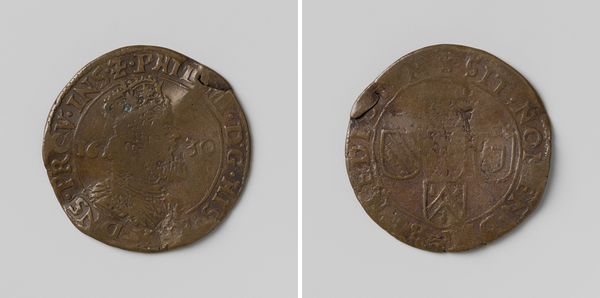
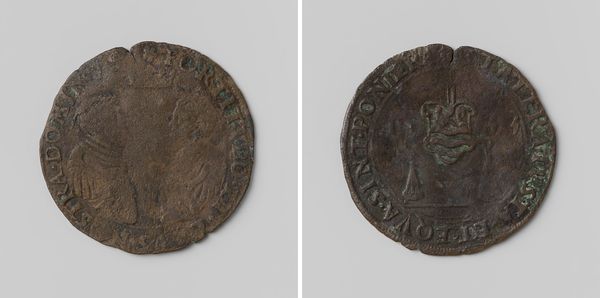
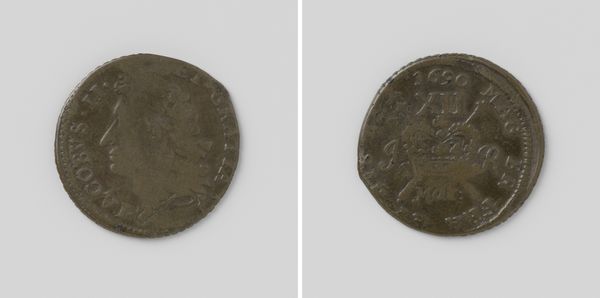
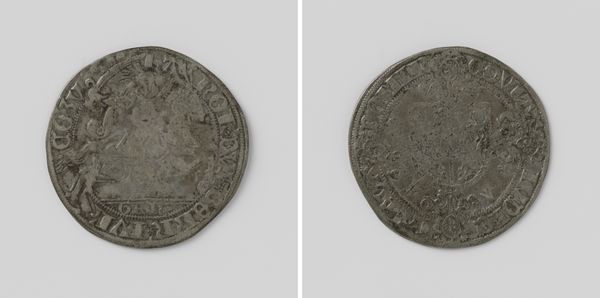
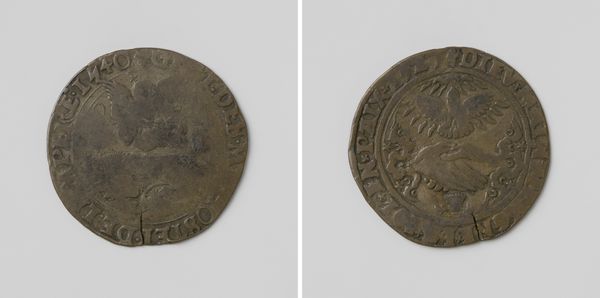
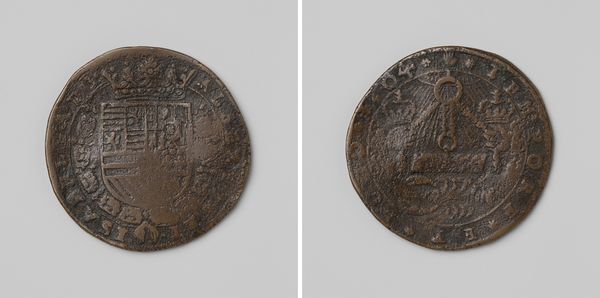
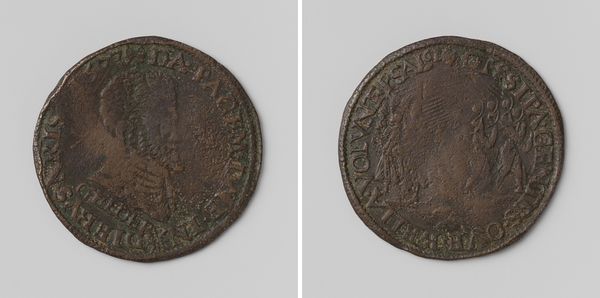
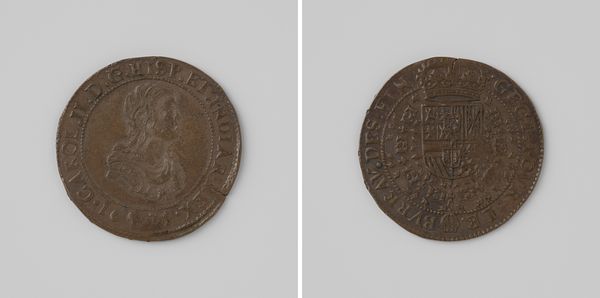
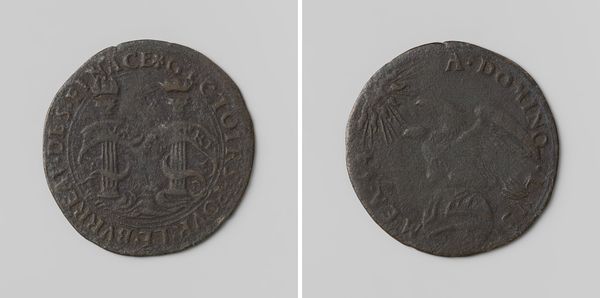
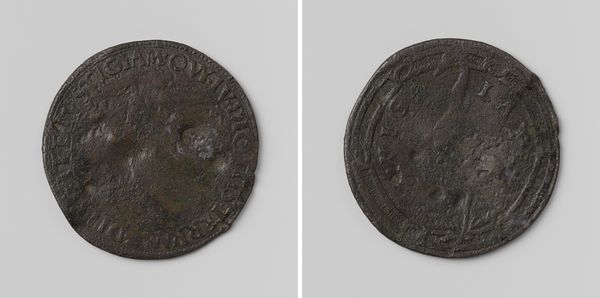
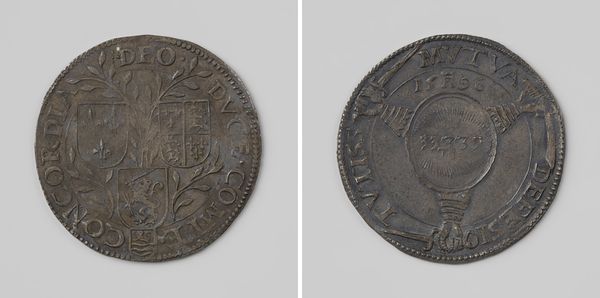
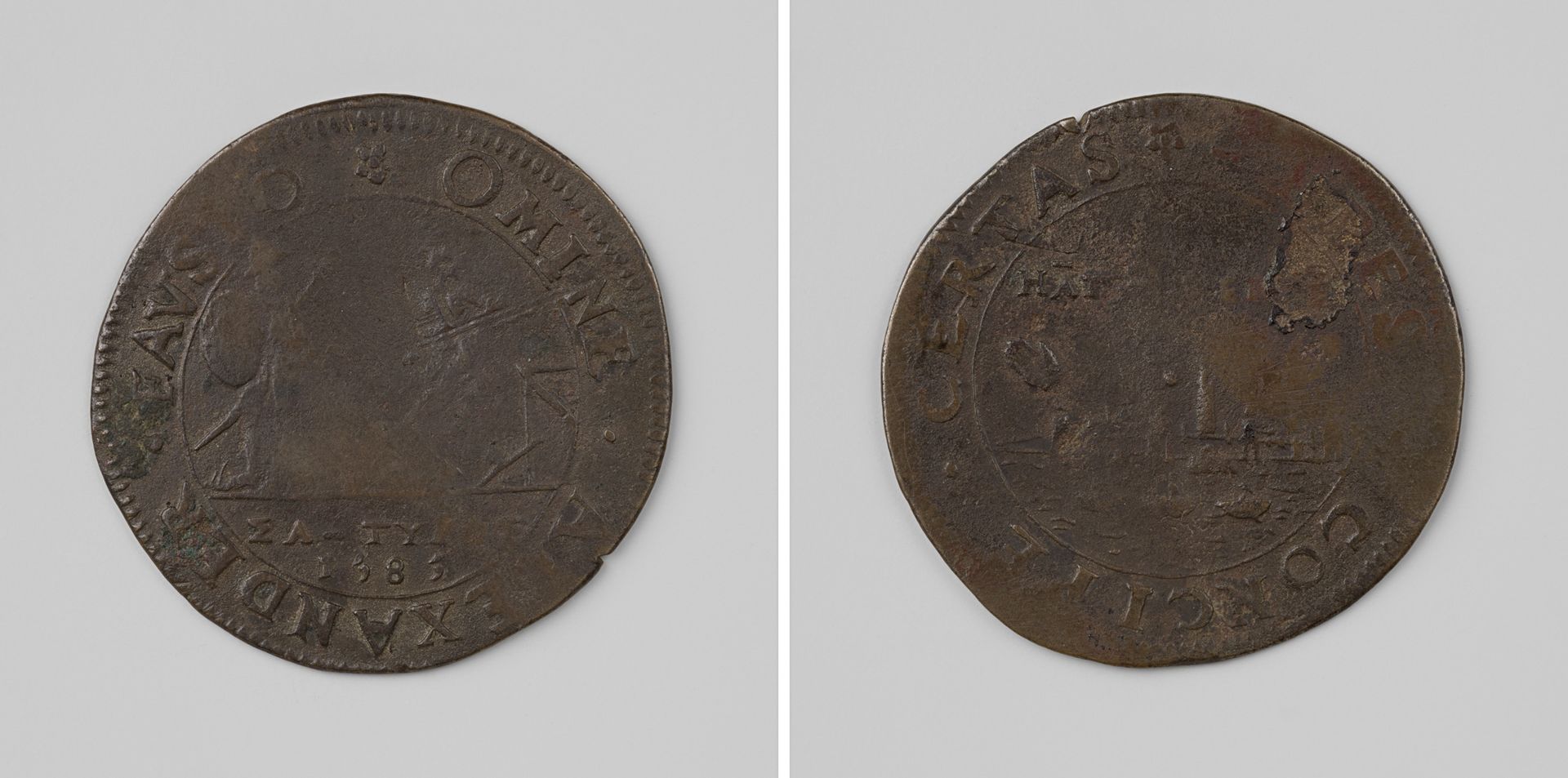
Editor: Here we have a 1585 engraving titled "Inname van Antwerpen", housed at the Rijksmuseum. It's a fascinating metal print. Given its historical context, the small scale surprises me. How should we understand this work? Curator: As a material object produced within a specific economic and political structure, this engraving offers unique insights. Consider the labor involved. The engraver, likely working within a workshop, meticulously transferred an image onto a metal plate. How does this act of reproduction democratize or manipulate the depicted historical narrative of the capture of Antwerp? Editor: That’s a good point, as this could be multiplied... The narrative gets interesting with a potentially larger distribution than, say, an oil painting. Curator: Exactly. Now, think about the materials. Metal—durable, reproducible, and tradeable. Its inherent value reflects the economic engine driving this historical moment. Do you see any specific compositional choices drawing your attention? Editor: I think of the distribution: how readily available or expensive was a piece like this? Who consumed such prints and why? Curator: Good question. The scale is equally important. This isn't grand history painting for an elite patron. Its intimacy suggests a broader, perhaps bourgeois, market keen to consume political imagery. Its status as a traded good adds to this theory of a distributed narrative for economical purpose. What new layers does this knowledge introduce to the initial impact the image created on you? Editor: It changes everything! It shifts from just an image to a political tool, bought and sold. So the work of art becomes not just an aesthetic object but evidence of production and capital in a moment of conflict. Curator: Precisely! This small print illuminates the interconnectedness of art, labor, and historical narrative within the material conditions of its making.

Artwork details
- Medium
- print, metal, relief, engraving
- Dimensions
- diameter 3 cm, weight 4.17 gr
- Location
- Rijksmuseum
- Copyright
- Rijks Museum: Open Domain
Tags
metal
sculpture
relief
ancient-mediterranean
history-painting
engraving
Comments
No comments
About this artwork
Editor: Here we have a 1585 engraving titled "Inname van Antwerpen", housed at the Rijksmuseum. It's a fascinating metal print. Given its historical context, the small scale surprises me. How should we understand this work? Curator: As a material object produced within a specific economic and political structure, this engraving offers unique insights. Consider the labor involved. The engraver, likely working within a workshop, meticulously transferred an image onto a metal plate. How does this act of reproduction democratize or manipulate the depicted historical narrative of the capture of Antwerp? Editor: That’s a good point, as this could be multiplied... The narrative gets interesting with a potentially larger distribution than, say, an oil painting. Curator: Exactly. Now, think about the materials. Metal—durable, reproducible, and tradeable. Its inherent value reflects the economic engine driving this historical moment. Do you see any specific compositional choices drawing your attention? Editor: I think of the distribution: how readily available or expensive was a piece like this? Who consumed such prints and why? Curator: Good question. The scale is equally important. This isn't grand history painting for an elite patron. Its intimacy suggests a broader, perhaps bourgeois, market keen to consume political imagery. Its status as a traded good adds to this theory of a distributed narrative for economical purpose. What new layers does this knowledge introduce to the initial impact the image created on you? Editor: It changes everything! It shifts from just an image to a political tool, bought and sold. So the work of art becomes not just an aesthetic object but evidence of production and capital in a moment of conflict. Curator: Precisely! This small print illuminates the interconnectedness of art, labor, and historical narrative within the material conditions of its making.
Comments
No comments