1766
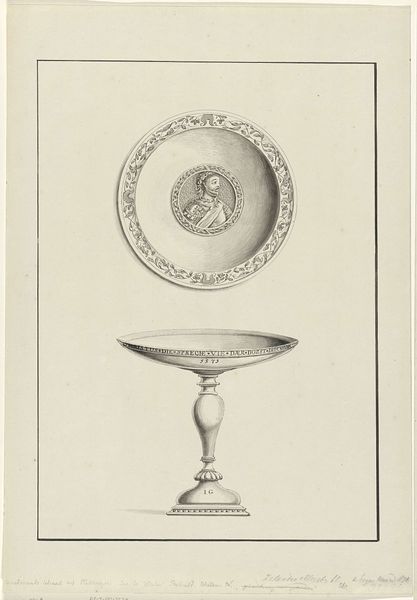
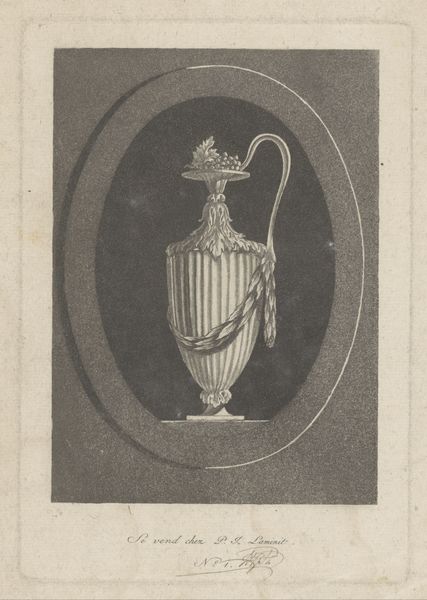
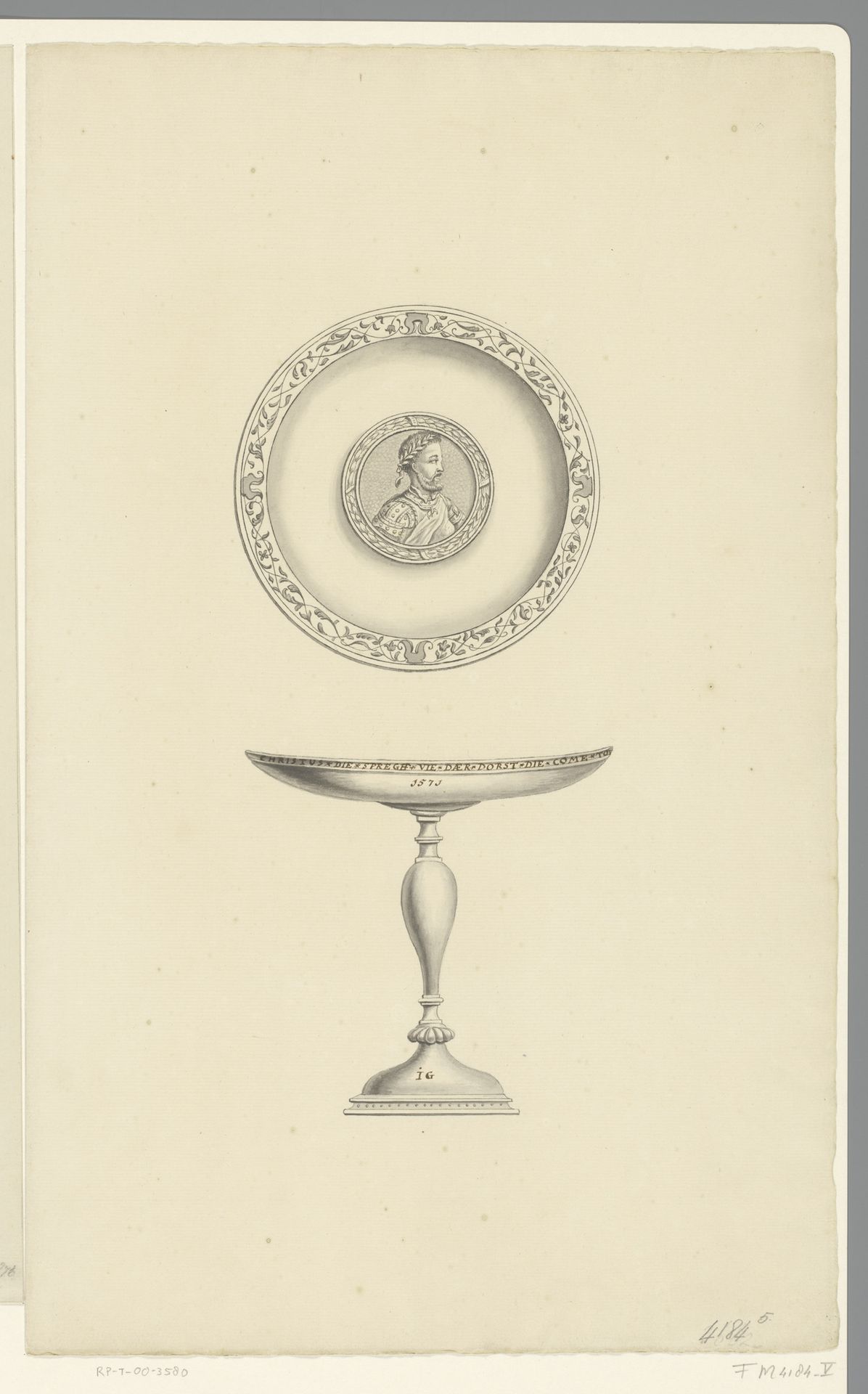
Zilveren avondmaalsbeker van Vlissingen uit 1571, bij de inhuldiging van Willem V in 1766

Listen to curator's interpretation
Curatorial notes
This silver chalice from Vlissingen, created in 1571, was re-used for the inauguration of Willem V in 1766. Silver is prized for its luster and malleability, which allows for detailed craftsmanship. Consider how this piece would have been made. Silversmithing demanded a deep understanding of the material and specialized techniques. The process likely involved melting, casting, hammering, and engraving, each requiring skill and precision. The smooth, reflective surfaces and intricate details show the hand of a practiced artisan. But this isn't just about aesthetics. The chalice served a ritual function, and was later repurposed for political display. Its value was not merely monetary, but symbolic, embodying wealth, status, and civic pride. Note the incredible labor involved in its creation, and consider the social hierarchy that placed such objects within reach of the elite. By appreciating the material qualities and production processes, we can better understand the chalice's cultural significance, and question the boundaries between art, craft, and social history.