About this artwork
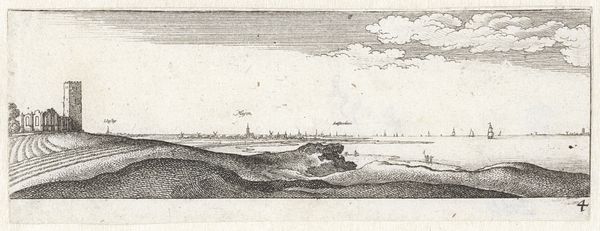
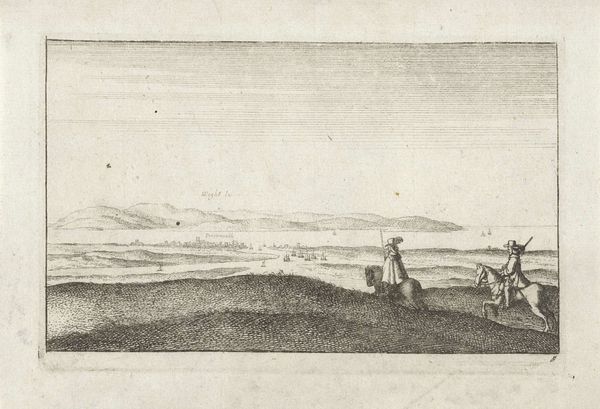
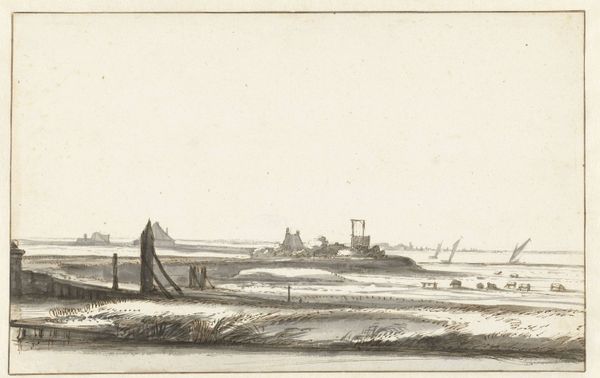
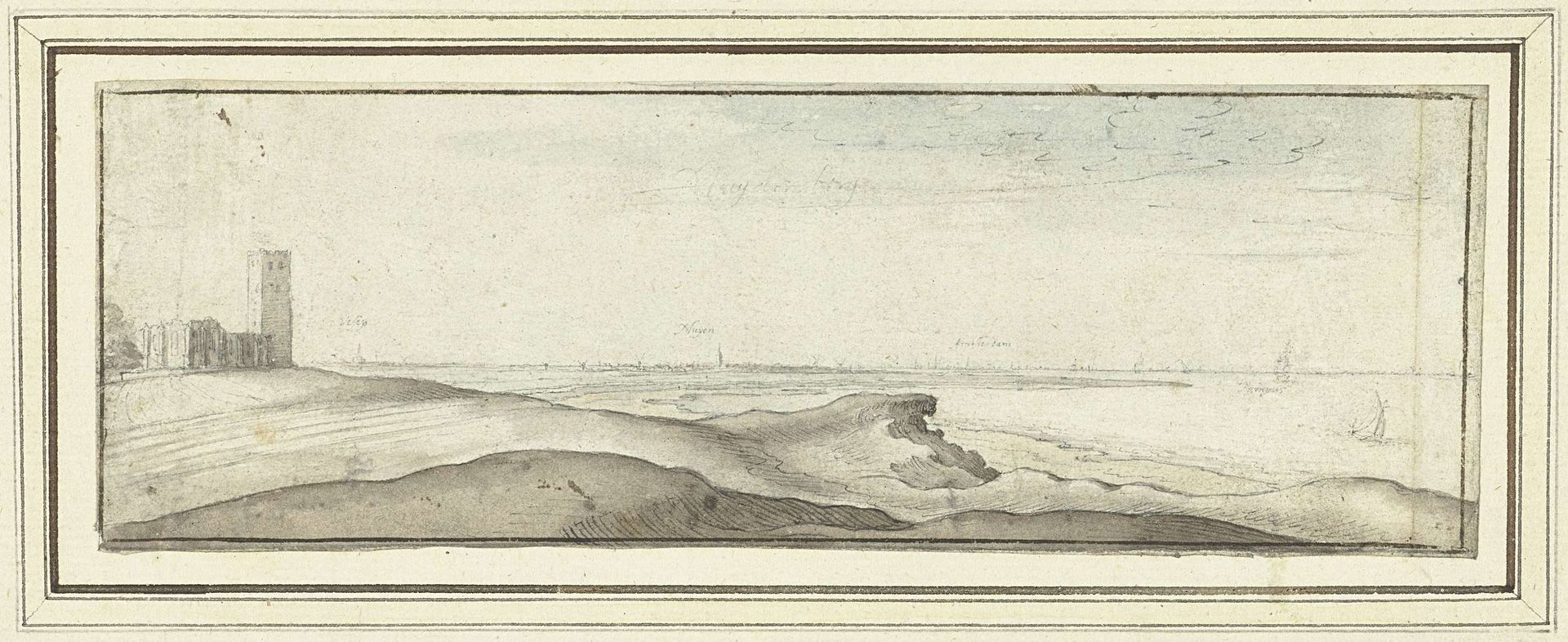
Wenceslaus Hollar rendered "View of Muiderberg on Weesp, Muiden and Amsterdam" in pen and watercolor. Hollar was born in Prague and lived through the upheaval of the Thirty Years' War. The war had a profound impact on the social structure of the time, with increased military presence and political tension leading to a destabilized society, especially for those displaced by conflict. The panoramic scene captures the serene Dutch landscape, but, knowing Hollar's background, one wonders if this landscape provided him with a sense of stability, or if it served as a reminder of the lands he could no longer call home. The detail of the cities in the distance juxtaposed with the muted tones, evokes a sense of longing, perhaps mirroring Hollar's own feelings of displacement and search for belonging. This work invites us to contemplate the personal and emotional dimensions of landscape art, especially when viewed through the lens of the artist’s own identity and history.
Gezicht van Muiderberg op Weesp, Muiden en Amsterdam
1634

Wenceslaus Hollar
1607 - 1677Location
RijksmuseumArtwork details
- Medium
- drawing, paper, ink, pencil
- Dimensions
- height 68 mm, width 205 mm
- Location
- Rijksmuseum
- Copyright
- Rijks Museum: Open Domain
Tags
Comments
Share your thoughts
About this artwork
Wenceslaus Hollar rendered "View of Muiderberg on Weesp, Muiden and Amsterdam" in pen and watercolor. Hollar was born in Prague and lived through the upheaval of the Thirty Years' War. The war had a profound impact on the social structure of the time, with increased military presence and political tension leading to a destabilized society, especially for those displaced by conflict. The panoramic scene captures the serene Dutch landscape, but, knowing Hollar's background, one wonders if this landscape provided him with a sense of stability, or if it served as a reminder of the lands he could no longer call home. The detail of the cities in the distance juxtaposed with the muted tones, evokes a sense of longing, perhaps mirroring Hollar's own feelings of displacement and search for belonging. This work invites us to contemplate the personal and emotional dimensions of landscape art, especially when viewed through the lens of the artist’s own identity and history.
Comments
Share your thoughts