1715 - 1725
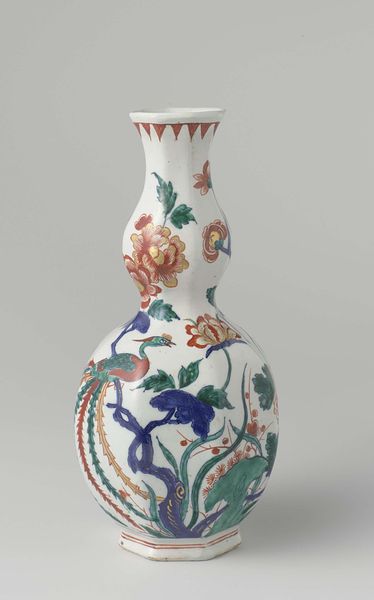
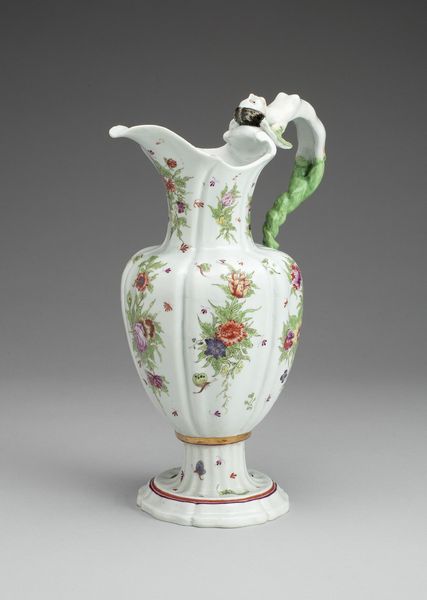
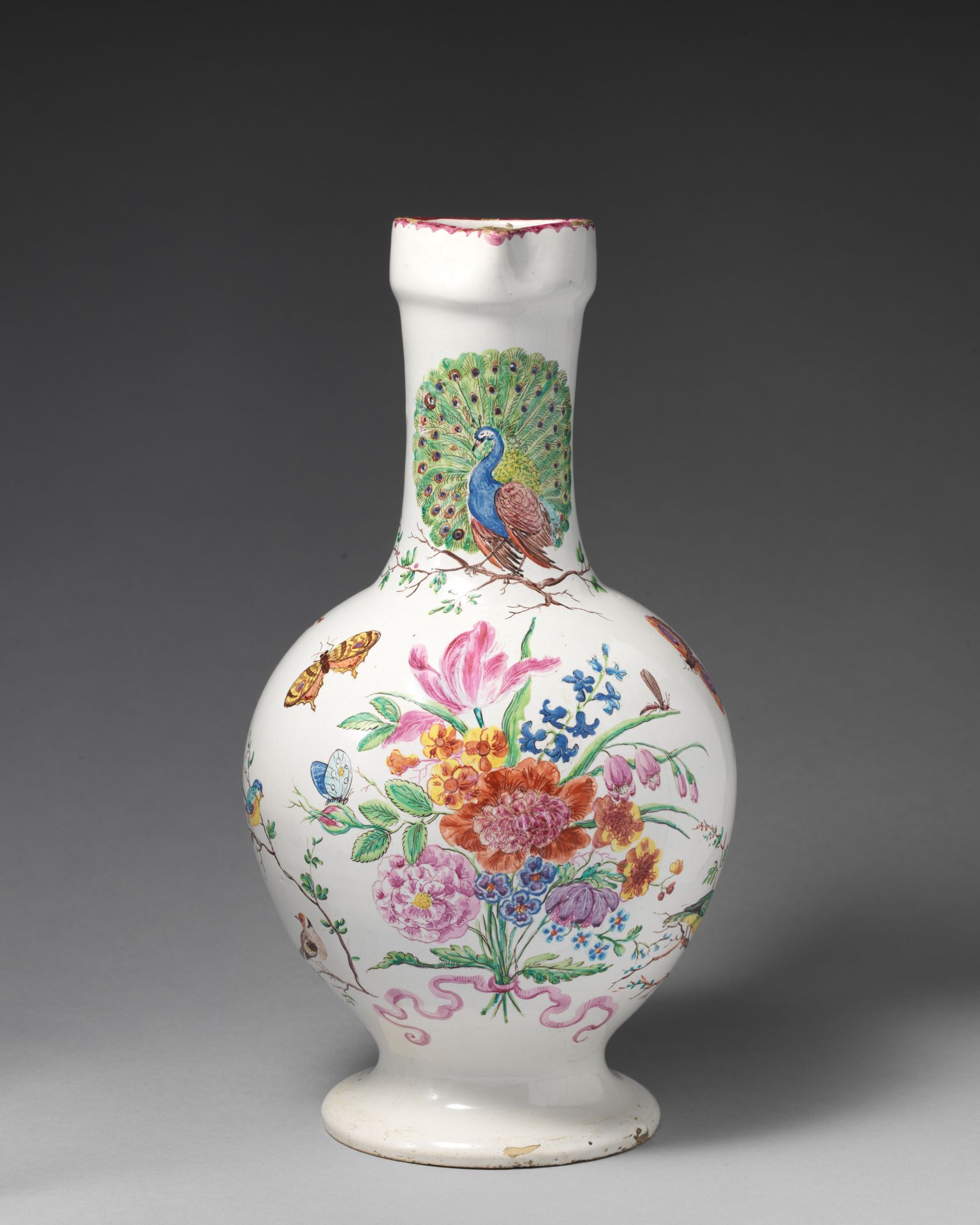
Jug with flowers and peacock

Bartholomäus Seuter
1678 - 1754
The Metropolitan Museum of Art
Metropolitan Museum of Art, New York, NYListen to curator's interpretation
Curatorial notes
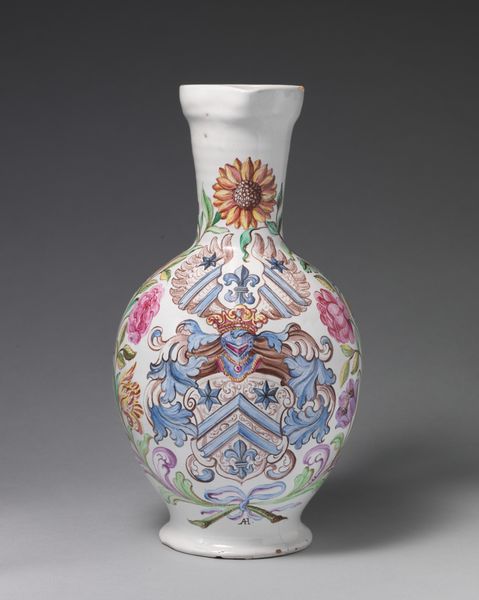
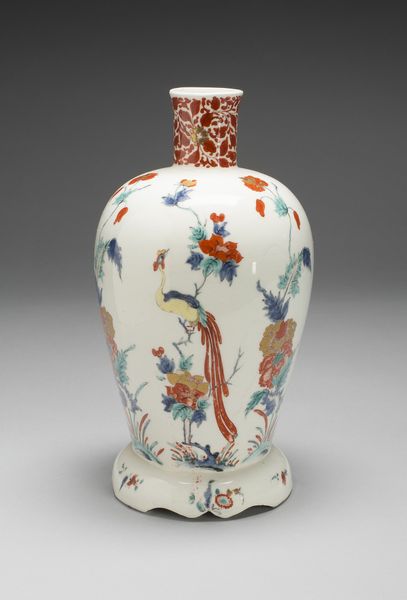
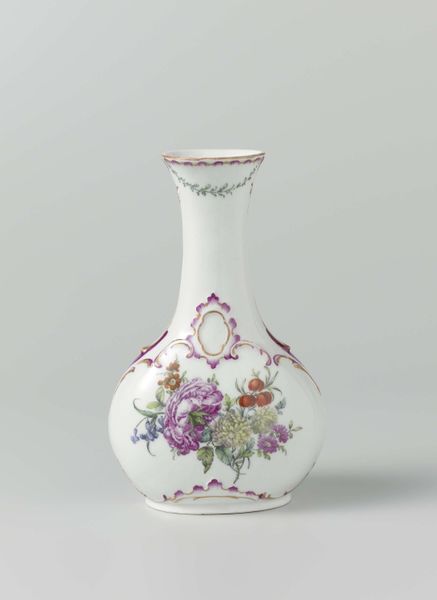
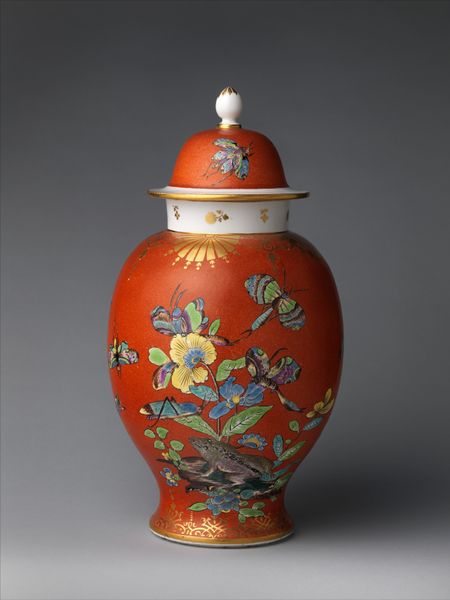
Curator: Looking at this "Jug with flowers and peacock" created between 1715 and 1725 by Bartholomäus Seuter, it’s hard not to immediately imagine someone's well-to-do parlor back then, isn’t it? Editor: It certainly screams Baroque opulence! I’m immediately struck by its air of aristocratic leisure. The meticulous detailing almost feels… performative. Curator: Performative, how so? Editor: Well, think about it. The peacock, the abundance of flowers… these aren’t just aesthetic choices. They're signifiers. They evoke notions of wealth, global trade, and the exotic, which speaks volumes about the social and economic landscape of the time. The jug acts as an assertion of status, a quiet declaration of one’s place in the world. Curator: Absolutely! And knowing Seuter, he likely reveled in that aspect. As a ceramic sculpture, it is decorative art, but with serious attitude, no? Like a fleeting daydream. Do you think the flowers and butterflies, in contrast to the weight of the peacock, suggest anything about mortality, perhaps? Editor: I’m seeing something about fleeting beauty, and colonial desire. Consider that peacocks themselves became highly prized commodities. Their depiction here, alongside meticulously rendered flora, brings forth issues related to how humans exert power over both the natural world and artistic representations thereof. What appears delicate on the surface is tied up with domination and display. Curator: Yes, there’s an underlying tension in that display. It's beauty and ownership intertwined. All balanced precariously on a ceramic vase! Perhaps the real marvel lies in the artist managing to say so much, just by depicting these seemingly gentle objects. It definitely gets me thinking. Editor: Indeed. The piece certainly holds up a mirror to the complex societal dynamics of the era. It’s more than just a pretty jug; it’s a conversation starter, centuries later.