About this artwork
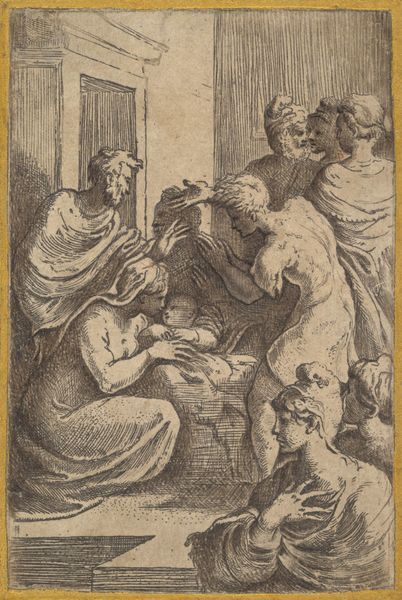
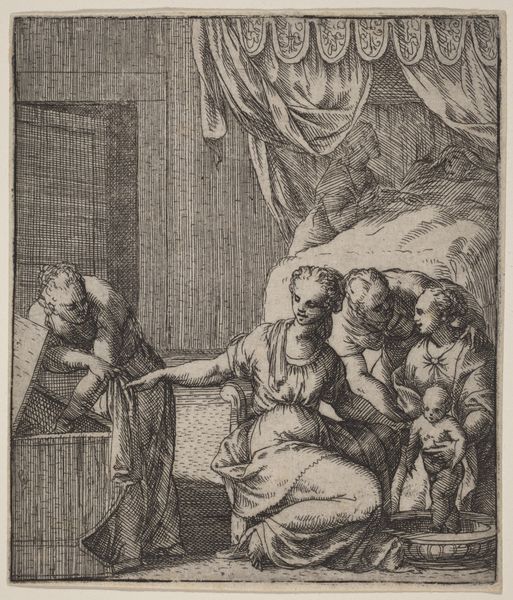
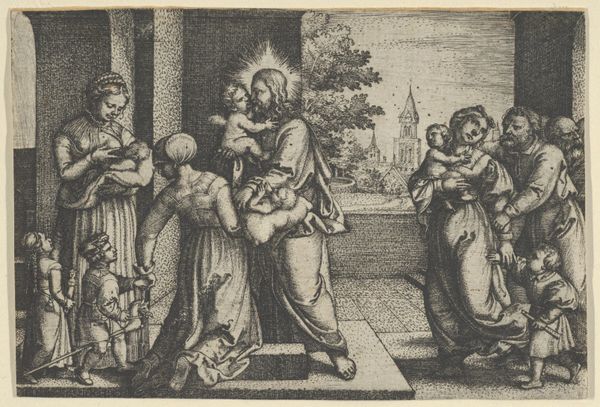
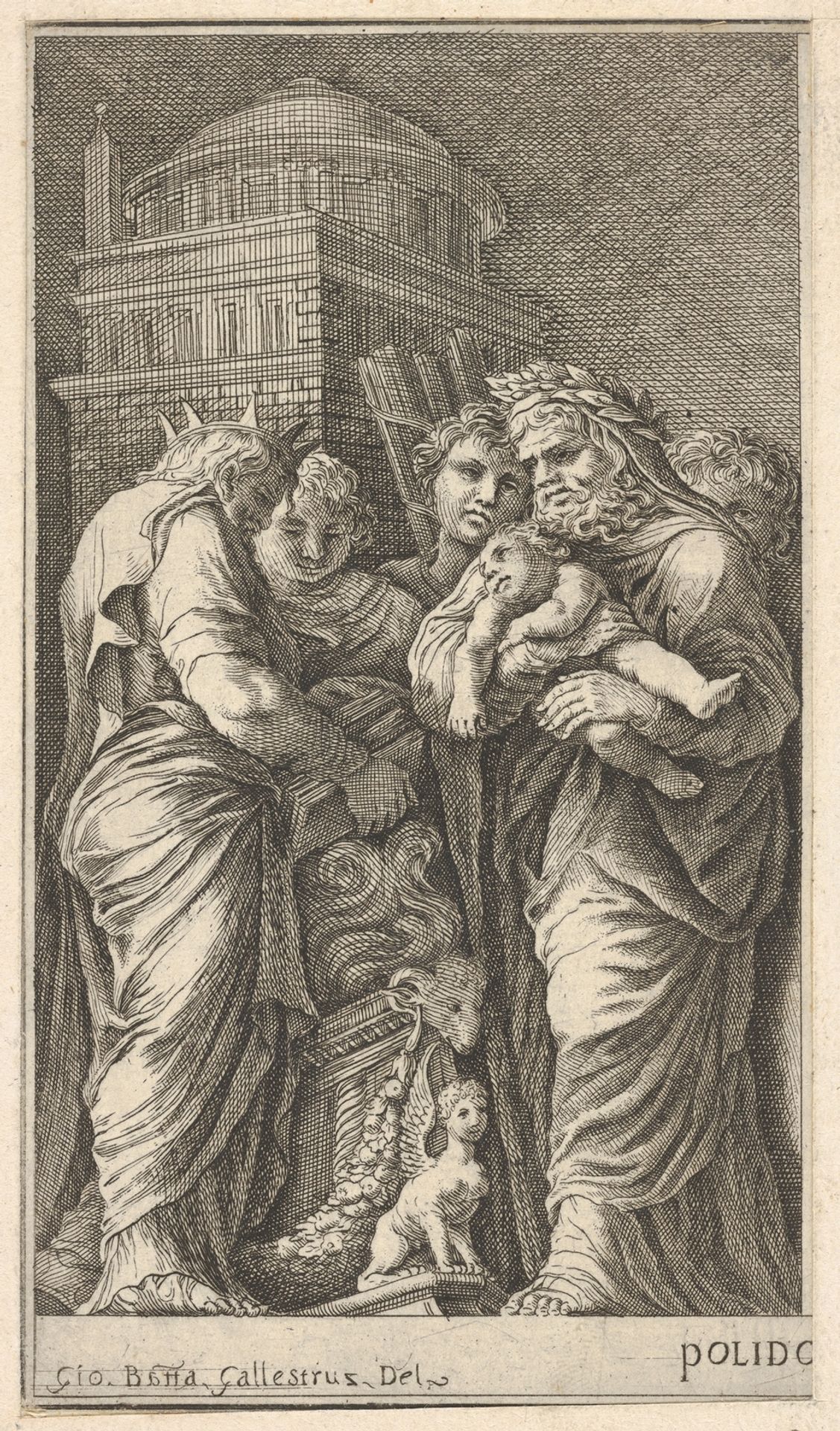
This print, "A Sacrifice," was made by Giovanni Francesco Venturini around the late 17th century. The scene presents a tableau rich with symbolism, harking back to ancient rituals of offering. Notice the laurel wreaths adorning the figures, classical symbols of triumph and divinity, reminiscent of those worn by Apollo or Roman emperors. More striking is the infant being presented, recalling sacrificial scenes from antiquity, but also evoking the tender vulnerability found in depictions of the Madonna and Child. This motif of sacrifice is timeless, echoing through cultures, from the Hebrew Bible to pagan rites. It taps into primal fears and hopes, engaging the viewer on a deeply emotional level. The sacrifice of the innocent is a recurring theme in art, literature, and myth, reflecting our complex relationship with mortality and redemption. This image demonstrates that symbols are never static. They morph and adapt, revealing the enduring, cyclical nature of human experience.
A Sacrifice
1645 - 1700
Giovanni Francesco Venturini
1650 - 1700The Metropolitan Museum of Art
Metropolitan Museum of Art, New York, NYArtwork details
- Medium
- drawing, print, engraving
- Dimensions
- sheet: 6 13/16 x 14 11/16 in. (17.3 x 37.3 cm) plate: 6 1/8 x 3 7/16 in. (15.5 x 8.8 cm)
- Location
- Metropolitan Museum of Art, New York, NY
- Copyright
- Public Domain
Tags
Comments
Share your thoughts
About this artwork
This print, "A Sacrifice," was made by Giovanni Francesco Venturini around the late 17th century. The scene presents a tableau rich with symbolism, harking back to ancient rituals of offering. Notice the laurel wreaths adorning the figures, classical symbols of triumph and divinity, reminiscent of those worn by Apollo or Roman emperors. More striking is the infant being presented, recalling sacrificial scenes from antiquity, but also evoking the tender vulnerability found in depictions of the Madonna and Child. This motif of sacrifice is timeless, echoing through cultures, from the Hebrew Bible to pagan rites. It taps into primal fears and hopes, engaging the viewer on a deeply emotional level. The sacrifice of the innocent is a recurring theme in art, literature, and myth, reflecting our complex relationship with mortality and redemption. This image demonstrates that symbols are never static. They morph and adapt, revealing the enduring, cyclical nature of human experience.
Comments
Share your thoughts