About this artwork
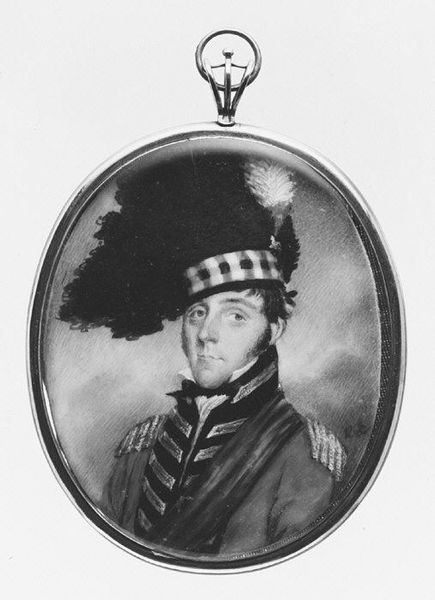
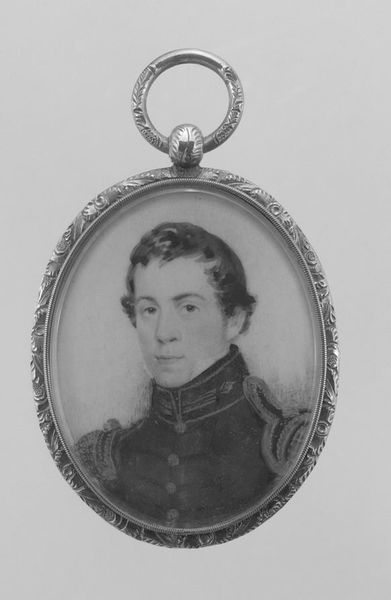
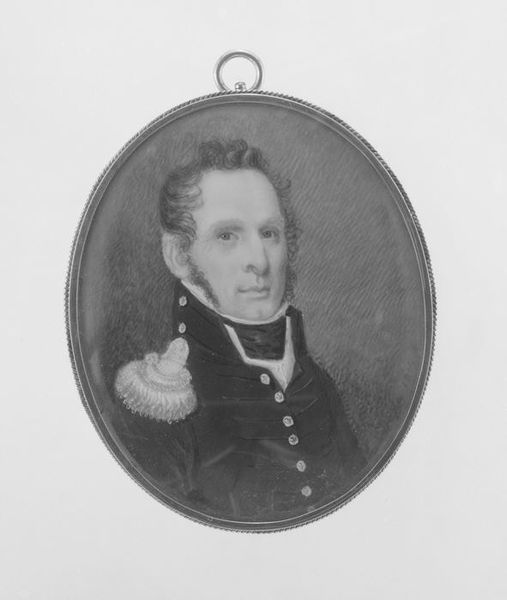
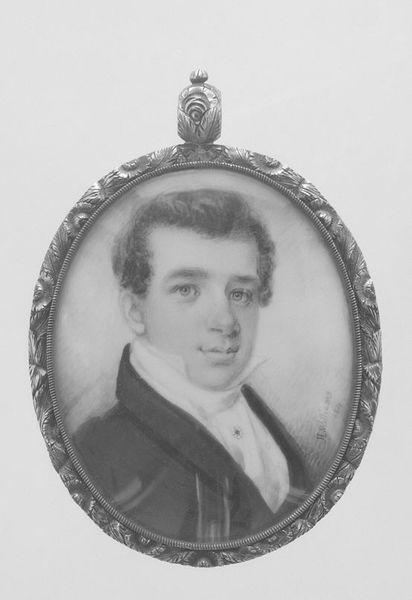
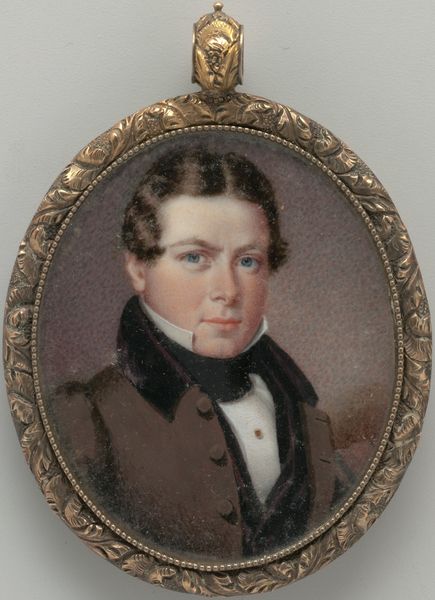
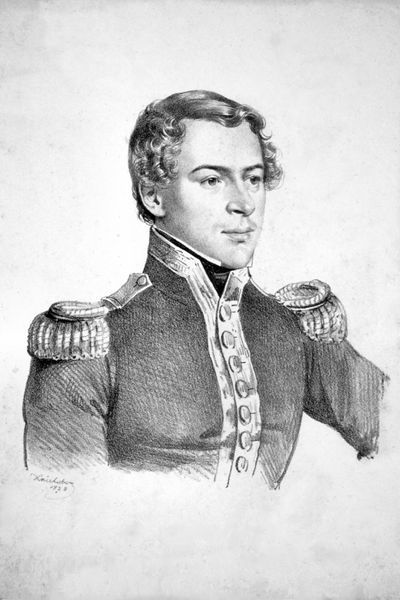
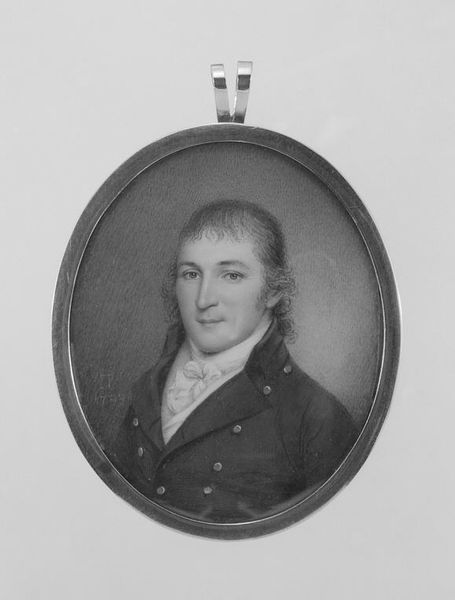
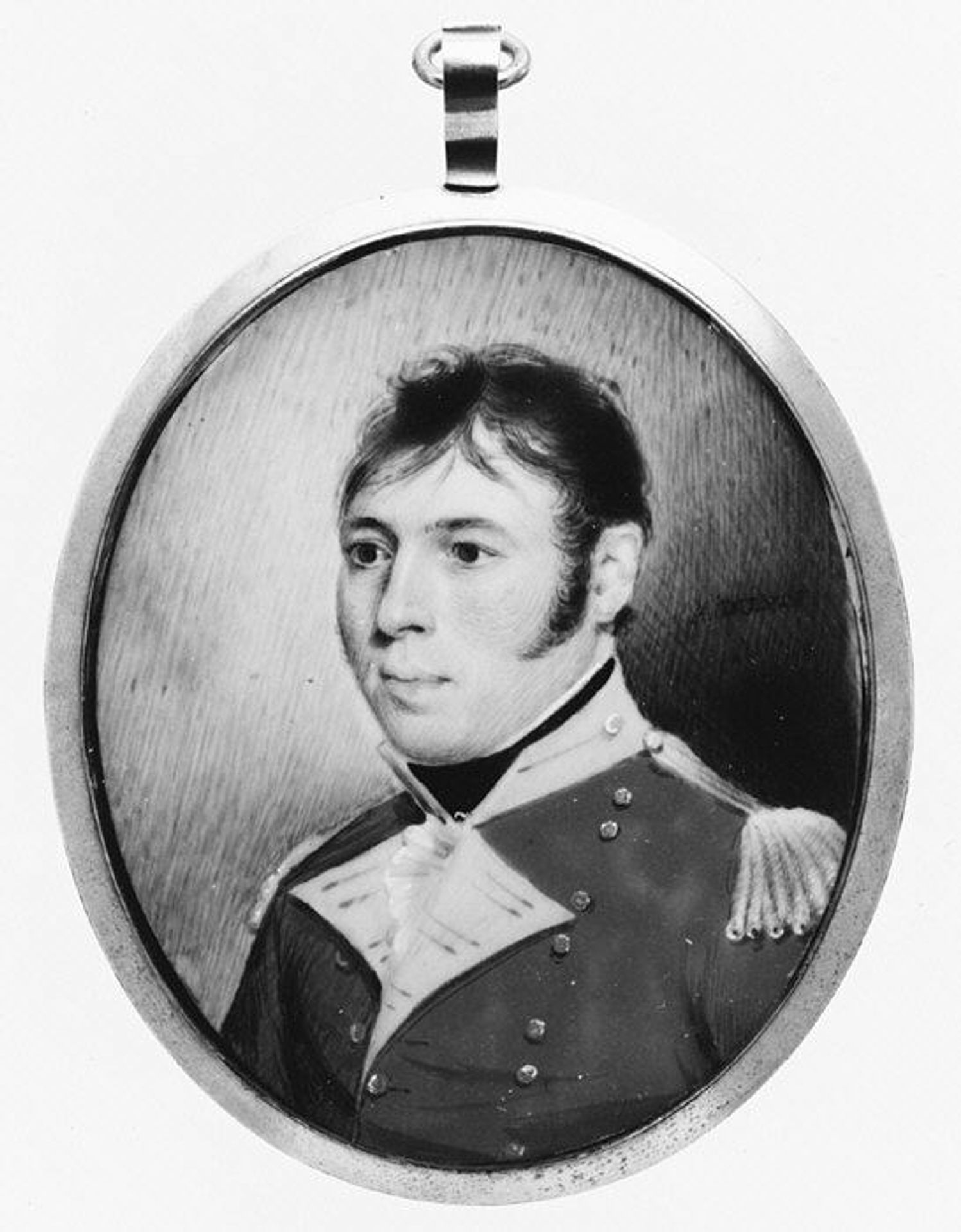
Andrew Dunn’s "Portrait of an Officer" invites us into the intricate world of early 19th-century identity and representation. Executed with delicate precision, this miniature portrait captures the likeness of an officer, encased in an oval frame. Consider the socio-political context of Dunn's time; he was creating this portrait during an era defined by empire, class, and the rise of nationalism. A portrait wasn’t just a representation; it was a symbol of status, aspiration, and power. Here the officer's uniform speaks volumes about his role within a hierarchical society. How does the portrait reflect his individual identity within these constraints? There's a tension between the desire for personal recognition and the need to conform to societal expectations. Miniatures such as this were often intensely personal objects, kept and carried as tokens of affection or remembrance. They encapsulate a sense of intimacy even as they uphold societal norms.
Portrait of an Officer
1800 - 1820


Artwork details
- Medium
- oil-paint
- Dimensions
- Oval, 2 5/8 x 2 1/8 in. (67 x 55 mm)
- Location
- Metropolitan Museum of Art, New York, NY
- Copyright
- Public Domain
Tags
Comments
Share your thoughts
About this artwork
Andrew Dunn’s "Portrait of an Officer" invites us into the intricate world of early 19th-century identity and representation. Executed with delicate precision, this miniature portrait captures the likeness of an officer, encased in an oval frame. Consider the socio-political context of Dunn's time; he was creating this portrait during an era defined by empire, class, and the rise of nationalism. A portrait wasn’t just a representation; it was a symbol of status, aspiration, and power. Here the officer's uniform speaks volumes about his role within a hierarchical society. How does the portrait reflect his individual identity within these constraints? There's a tension between the desire for personal recognition and the need to conform to societal expectations. Miniatures such as this were often intensely personal objects, kept and carried as tokens of affection or remembrance. They encapsulate a sense of intimacy even as they uphold societal norms.
Comments
Share your thoughts