About this artwork
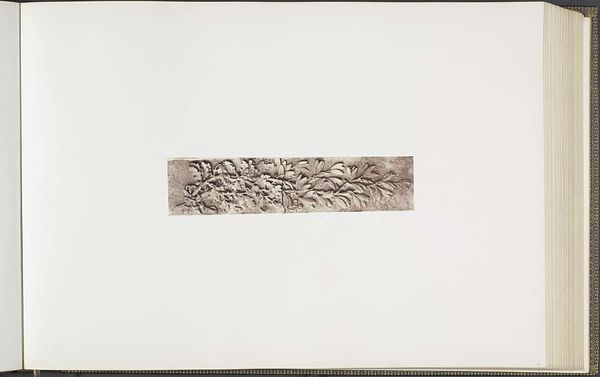
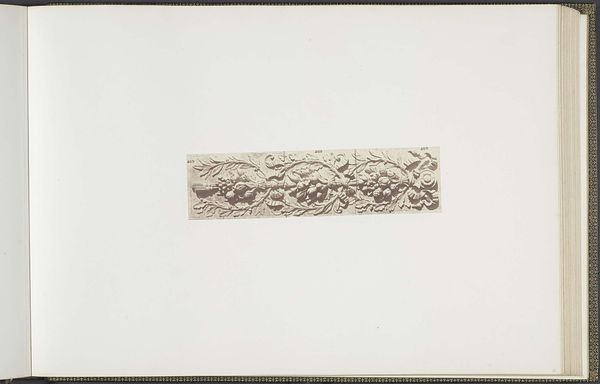
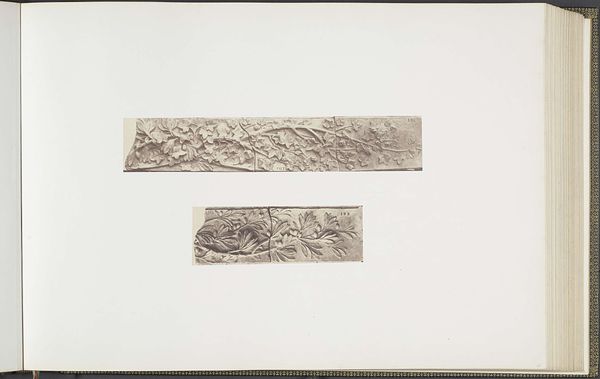
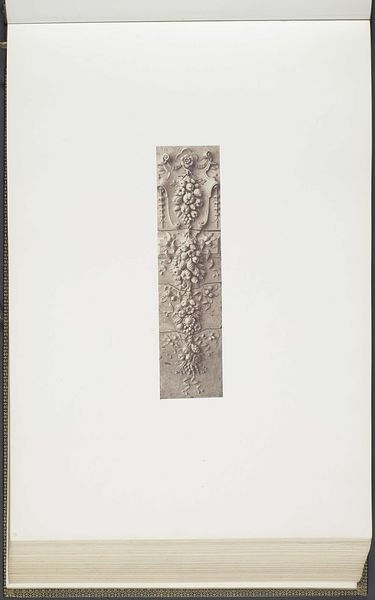
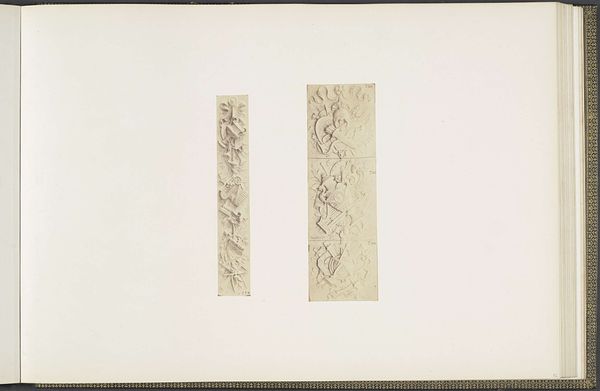
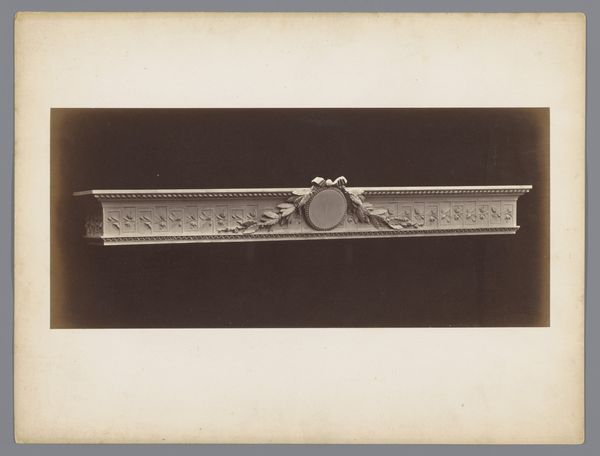
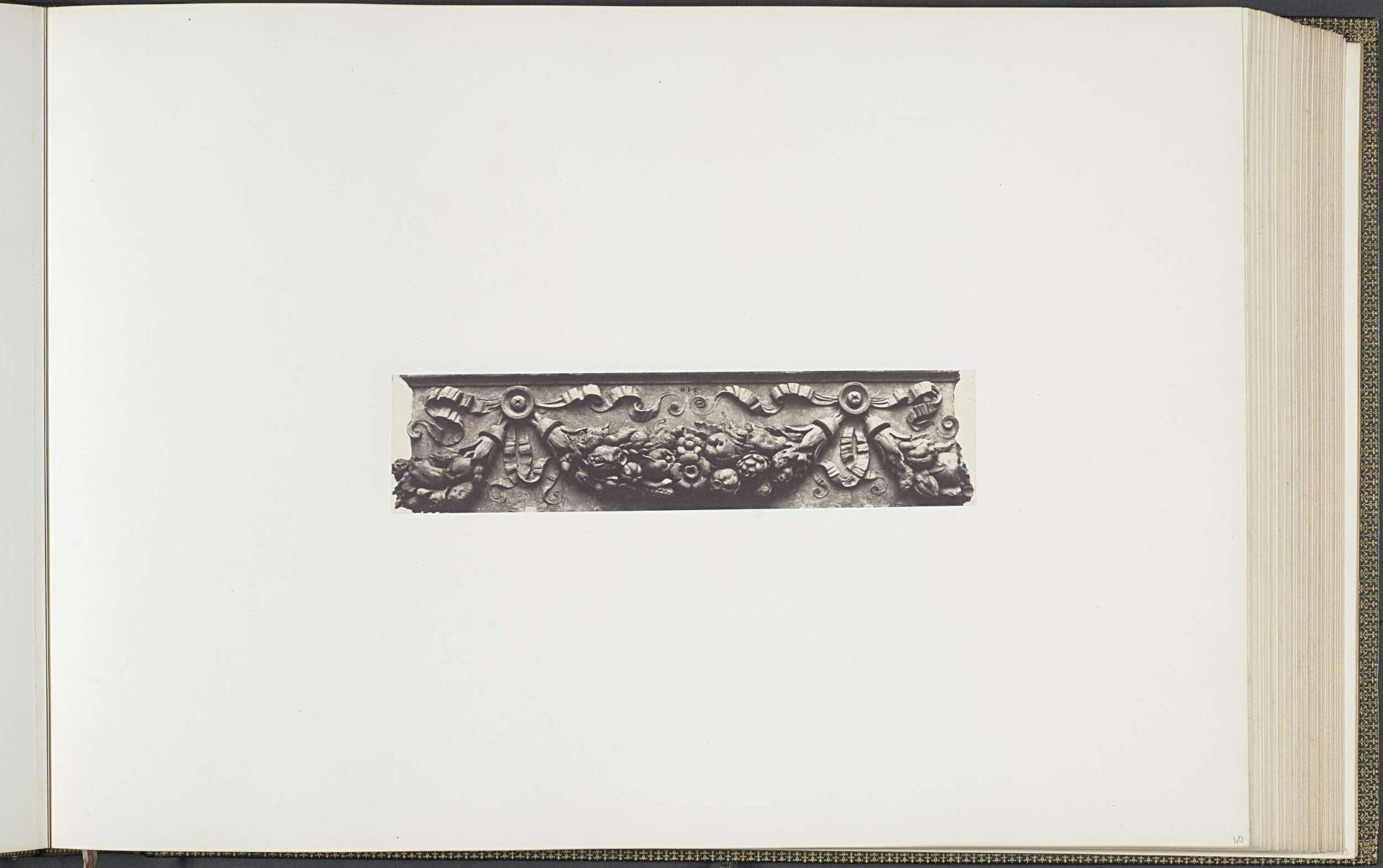
This photograph by Edouard Baldus captures a plaster model destined for the Louvre’s adornment. Note the prominent display of intertwined ribbons, a motif which has snaked its way through centuries. These ribbons, often associated with celebration and formality, remind us of their ancient origins. We see them in Roman triumphal arches, symbols of victory and power, and in Renaissance paintings, denoting status and festivity. Through generations, the ribbon has transcended its practical use, weaving its way into our collective memory as a marker of special moments and officialdom. Consider the ribbon's presence here, on a model for the Louvre. It’s not merely decorative; it is a symbolic gesture, evoking the grandeur and historical weight of French royalty. The cyclical nature of symbols reveals that the ribbons, like echoes of the past, appear, adapt, and persist in unexpected ways.
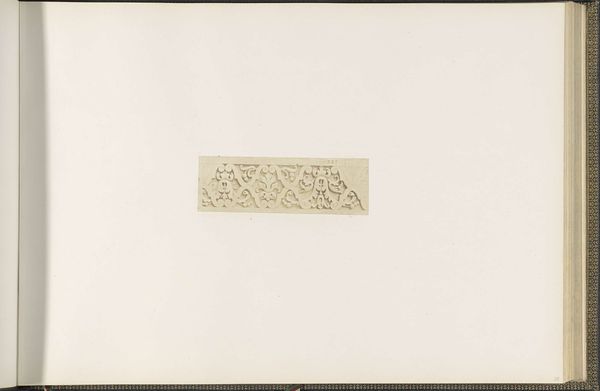
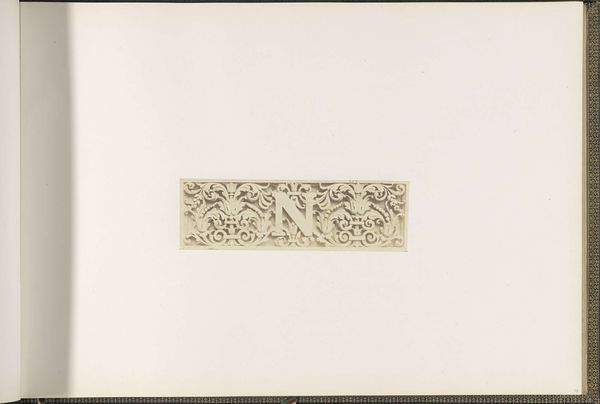
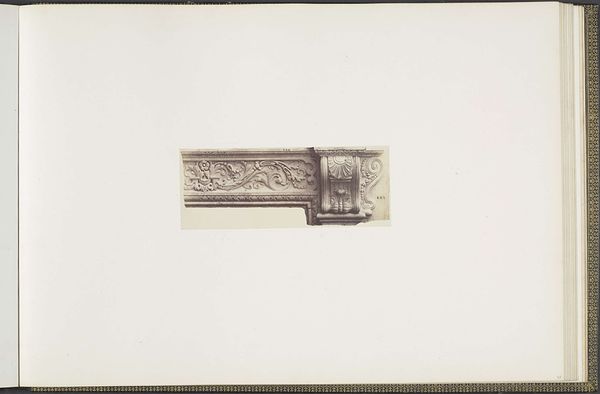
Detail van een gipsmodel voor de versiering van het Palais du Louvre
c. 1855 - 1857

Edouard Baldus
1813 - 1889Location
RijksmuseumArtwork details
- Dimensions
- height 378 mm, width 556 mm
- Location
- Rijksmuseum
- Copyright
- Rijks Museum: Open Domain
Tags
Comments
Share your thoughts
About this artwork
This photograph by Edouard Baldus captures a plaster model destined for the Louvre’s adornment. Note the prominent display of intertwined ribbons, a motif which has snaked its way through centuries. These ribbons, often associated with celebration and formality, remind us of their ancient origins. We see them in Roman triumphal arches, symbols of victory and power, and in Renaissance paintings, denoting status and festivity. Through generations, the ribbon has transcended its practical use, weaving its way into our collective memory as a marker of special moments and officialdom. Consider the ribbon's presence here, on a model for the Louvre. It’s not merely decorative; it is a symbolic gesture, evoking the grandeur and historical weight of French royalty. The cyclical nature of symbols reveals that the ribbons, like echoes of the past, appear, adapt, and persist in unexpected ways.
Comments
Share your thoughts