About this artwork
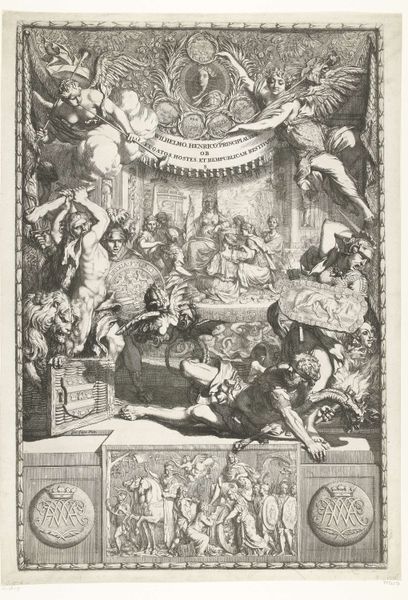
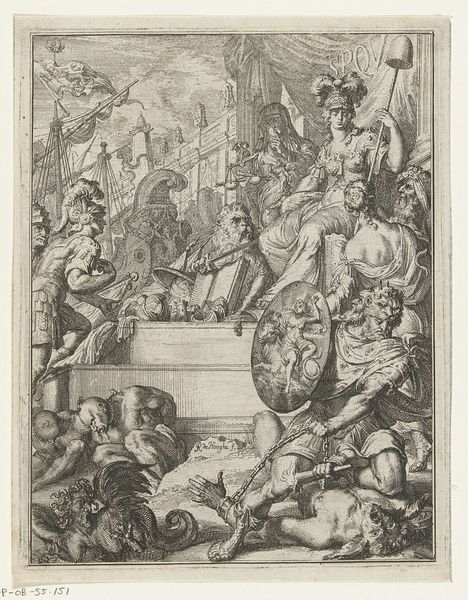
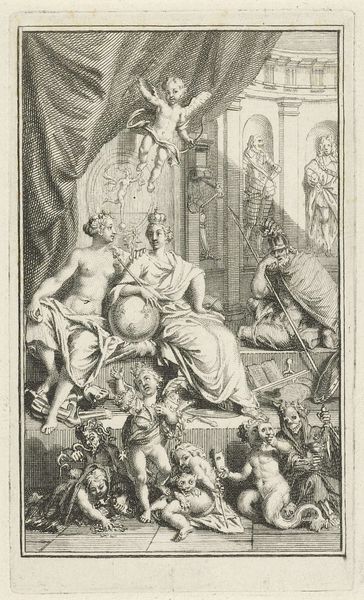
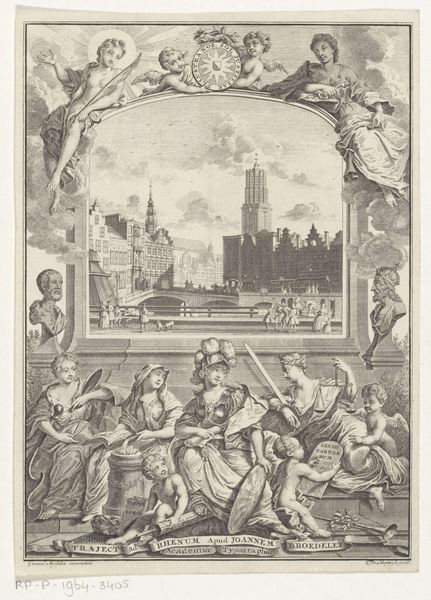
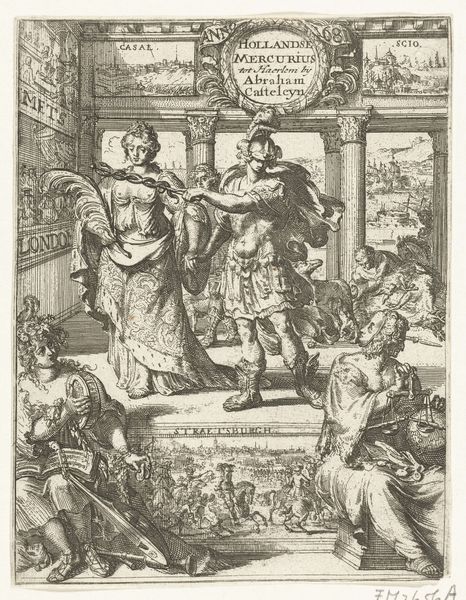
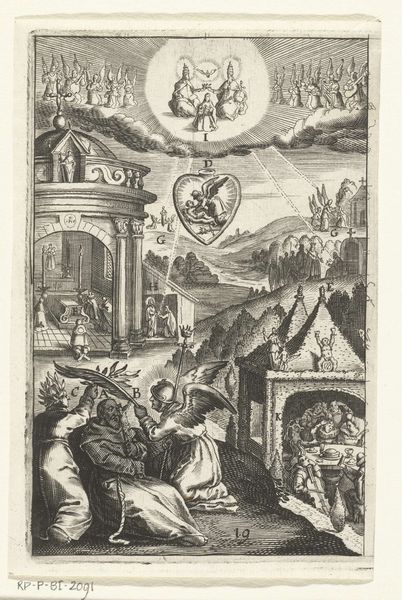
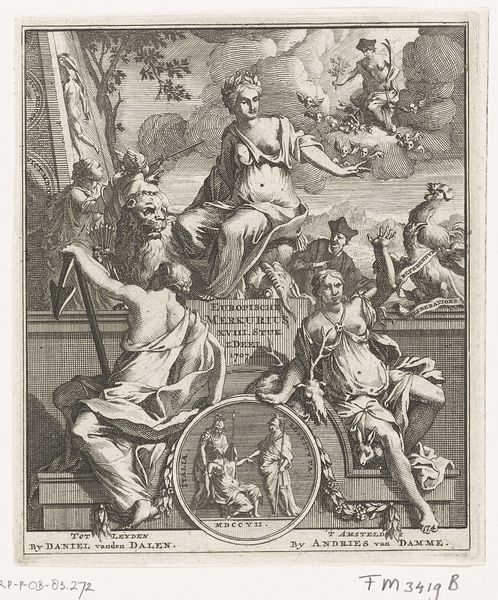
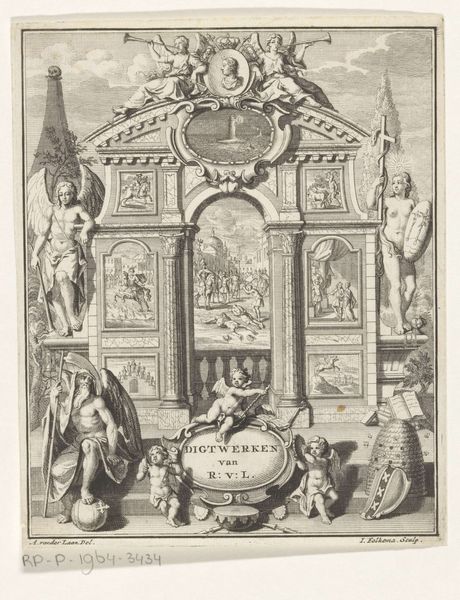
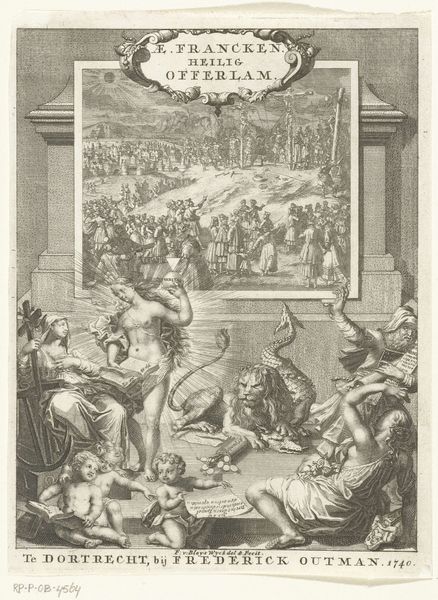
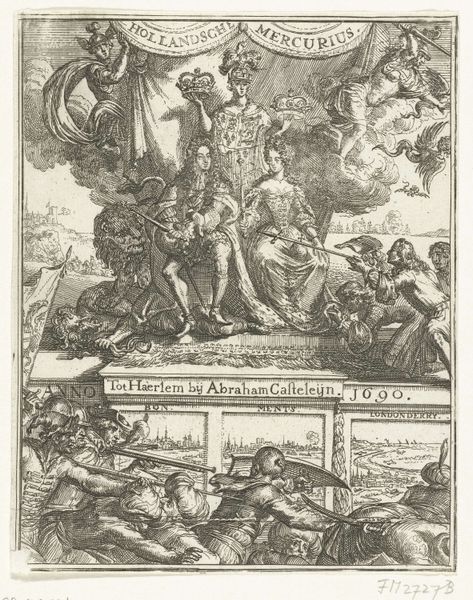
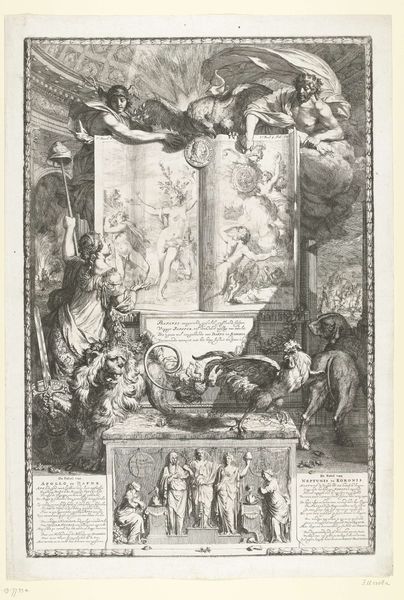
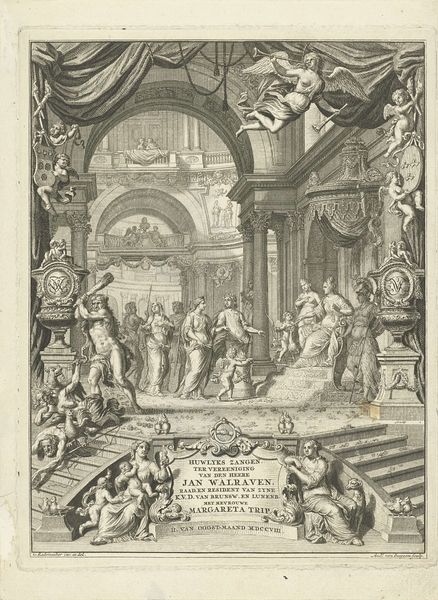
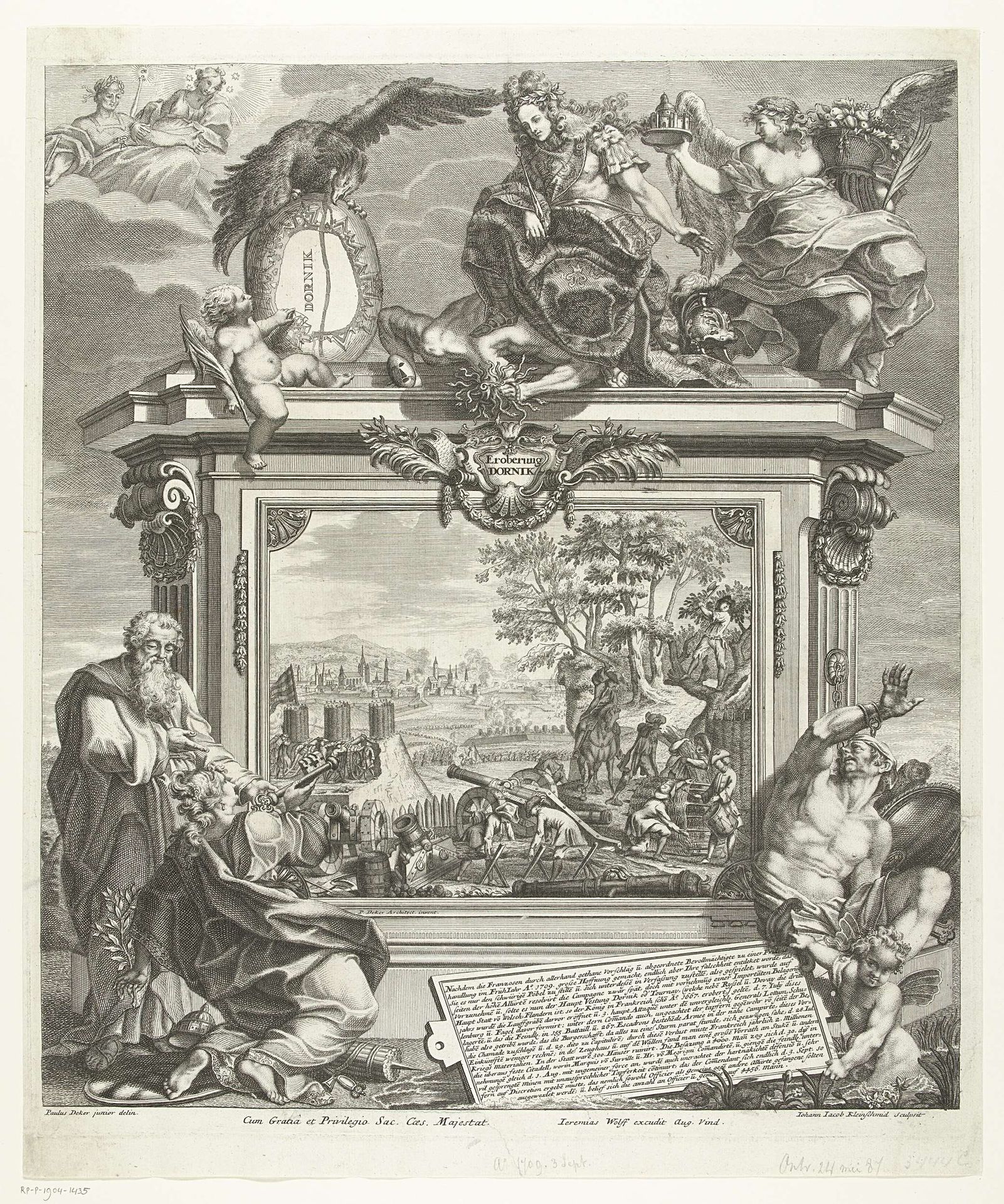
This is Johann Jakob Kleinschmidt’s “Verovering van Doornik, 1709,” a print commemorating a military victory. Kleinschmidt made it sometime around 1709, during a period when the Dutch Republic was a major power in Europe. Embedded in the glorification of military power, we find symbols of identity and status. The allegorical figures and detailed scenes aren't just about the conquest, but also about reinforcing the power structures and national pride of the Dutch Republic. The image evokes a sense of triumph, but it also prompts us to think about how such victories were achieved and at what cost to those who were conquered. Ultimately, this print is more than just a historical record; it is a statement about power, identity, and the narratives we construct around historical events. It invites us to reflect on the complex interplay between celebration and the underlying realities of conflict and domination.
Verovering van Doornik, 1709
1712 - 1715

Johann Jakob Kleinschmidt
1687 - 1772Location
RijksmuseumArtwork details
- Medium
- drawing, print, pen, engraving
- Dimensions
- height 480 mm, width 416 mm
- Location
- Rijksmuseum
- Copyright
- Rijks Museum: Open Domain
Tags
Comments
Share your thoughts
About this artwork
This is Johann Jakob Kleinschmidt’s “Verovering van Doornik, 1709,” a print commemorating a military victory. Kleinschmidt made it sometime around 1709, during a period when the Dutch Republic was a major power in Europe. Embedded in the glorification of military power, we find symbols of identity and status. The allegorical figures and detailed scenes aren't just about the conquest, but also about reinforcing the power structures and national pride of the Dutch Republic. The image evokes a sense of triumph, but it also prompts us to think about how such victories were achieved and at what cost to those who were conquered. Ultimately, this print is more than just a historical record; it is a statement about power, identity, and the narratives we construct around historical events. It invites us to reflect on the complex interplay between celebration and the underlying realities of conflict and domination.
Comments
Share your thoughts