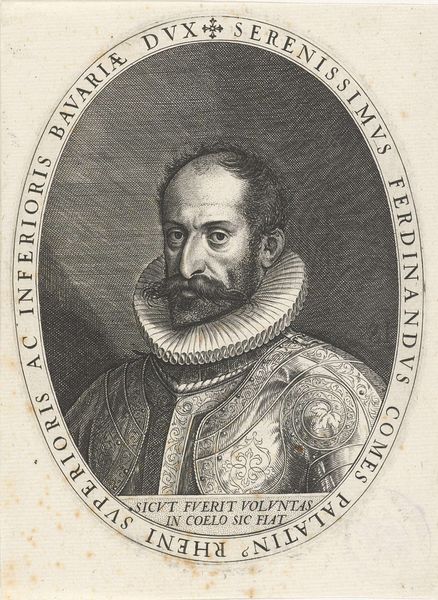
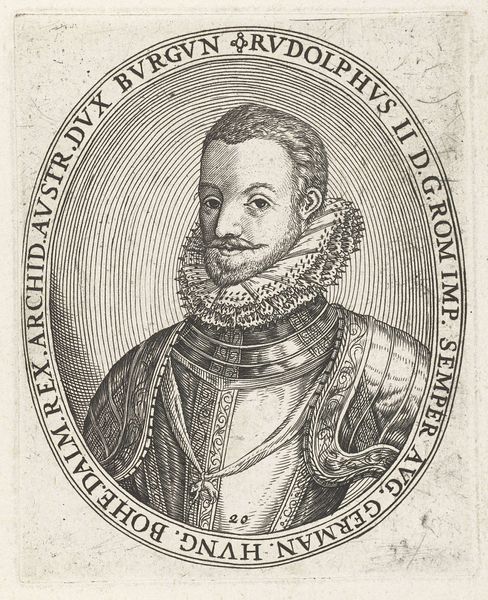
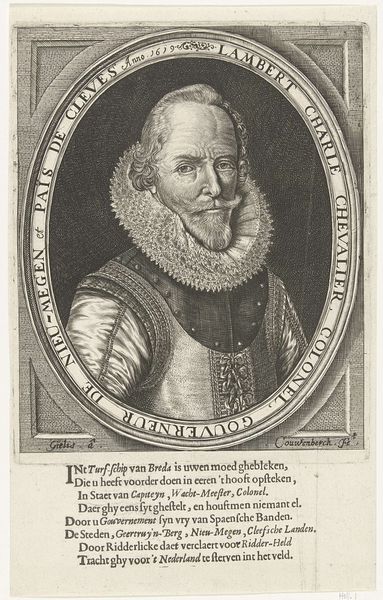
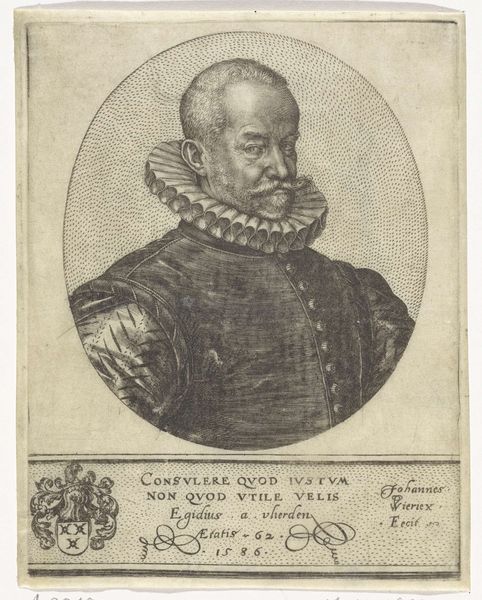
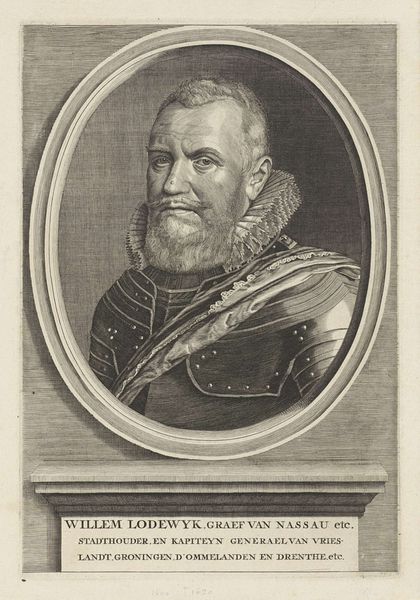
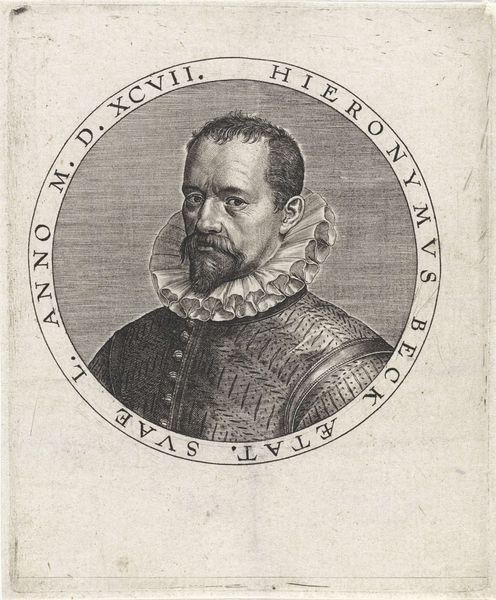
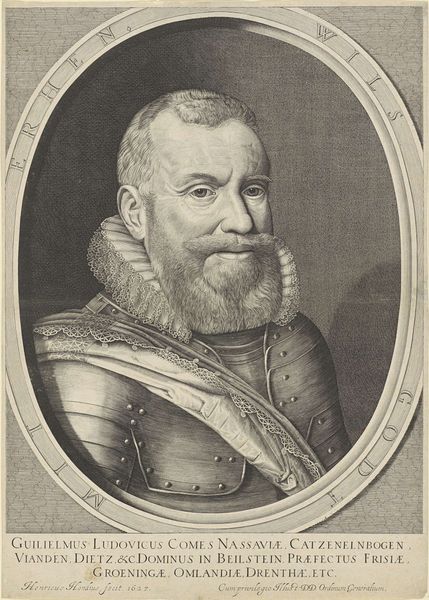
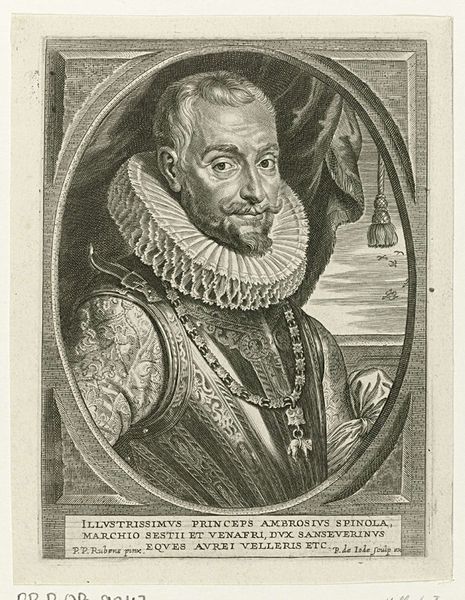
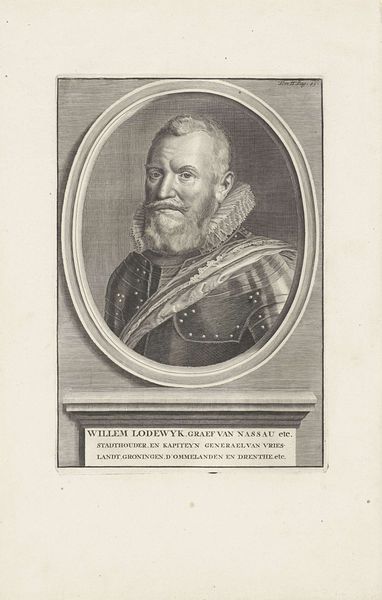
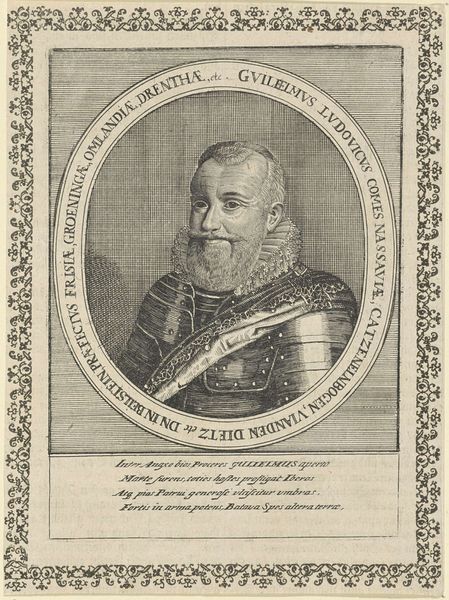
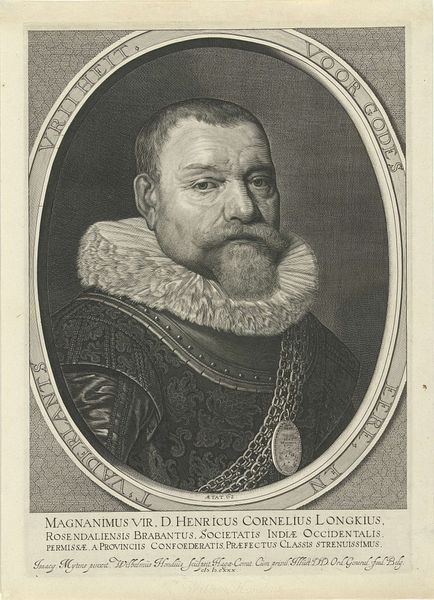
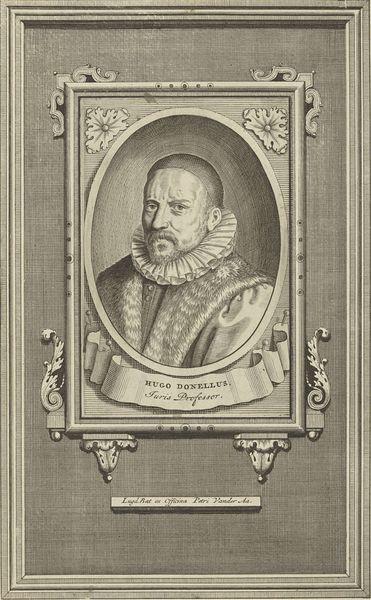
print, engraving
portrait
mannerism
history-painting
engraving
realism
Dimensions: height 121 mm, width 93 mm
Copyright: Rijks Museum: Open Domain
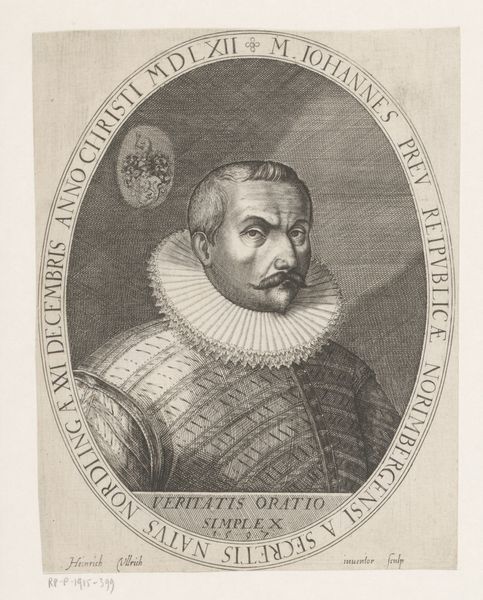
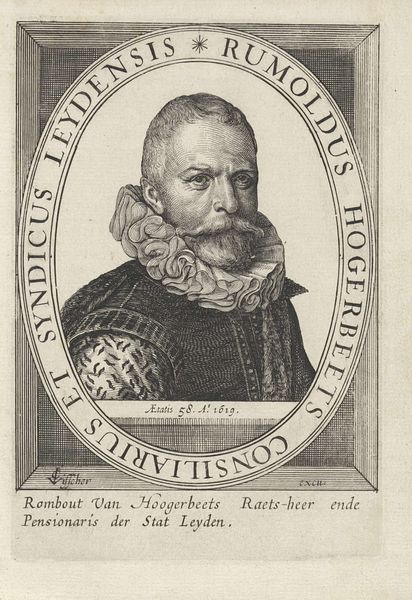
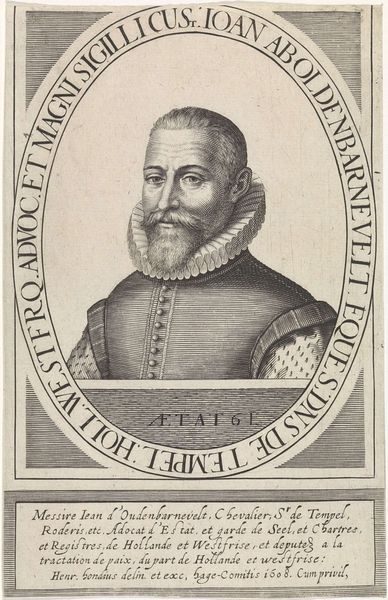
Editor: This is Johan Wierix's engraving of Maximiliaan de Hennin, made in 1592, held at the Rijksmuseum. The detail is incredible, especially on his armor and that magnificent ruff! How do we understand the importance of portraiture like this one within its historical context? Curator: That’s a great question. We have to consider how portraits like this functioned in the late 16th century. It wasn't just about likeness, it was about constructing and disseminating a very particular image of power. This image projects status; think about how the armor isn’t just functional but highly ornamental, projecting authority and wealth. Consider how the art market for printed portraits bolstered political relationships. Who might have seen or used such an image? Editor: So, this wasn’t just for family; this image had a political function. What about the realism combined with, I guess, what is categorized as mannerism? Curator: Yes, precisely. Wierix operated in a complex, competitive print market. The intense realism spoke to a desire for accuracy, while mannerist elements perhaps enhanced the sitter's elegance and importance. Where do you think prints like this would have been displayed? Editor: I suppose they would have been distributed amongst other nobles or displayed in places of power. So, it’s not just a portrait, but a statement of political relationships, a distributed object of power. That changes how I see it. Curator: Exactly. We can move beyond thinking of art objects as aesthetic exercises. Thinking through the circulation of images shows how profoundly art is linked with social and political life. Editor: This discussion helped me see beyond the surface-level opulence to recognize the artwork's cultural value. Thank you. Curator: And for me, it’s a great reminder of why these questions matter in the first place: to encourage a richer understanding of our visual world.
Comments
No comments
Be the first to comment and join the conversation on the ultimate creative platform.
 React
React Comment