About this artwork
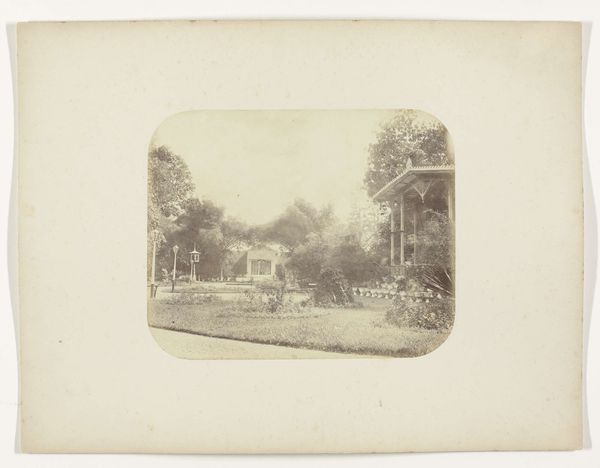
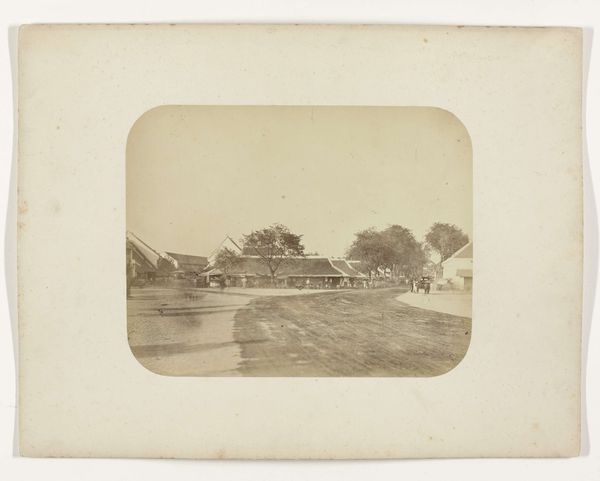
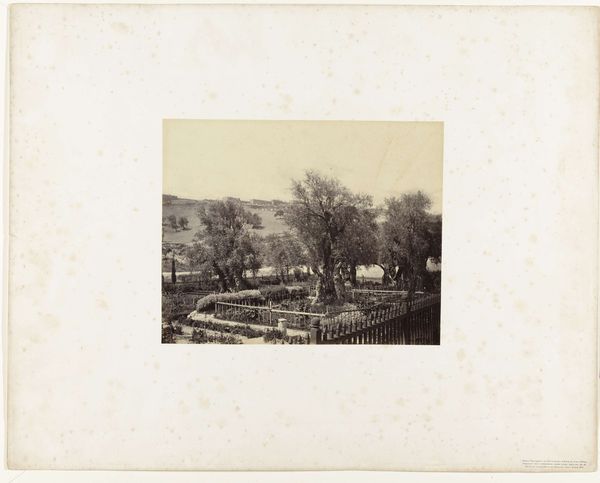
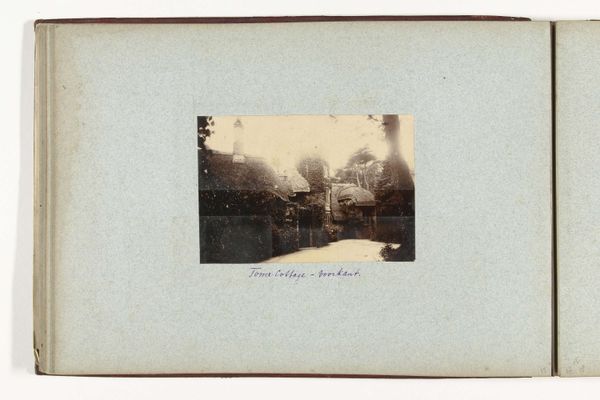
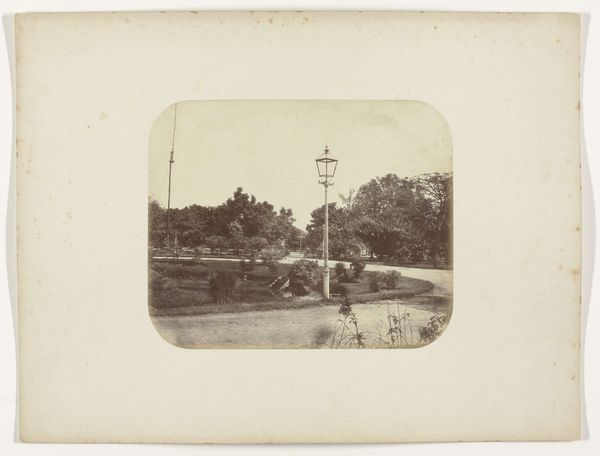
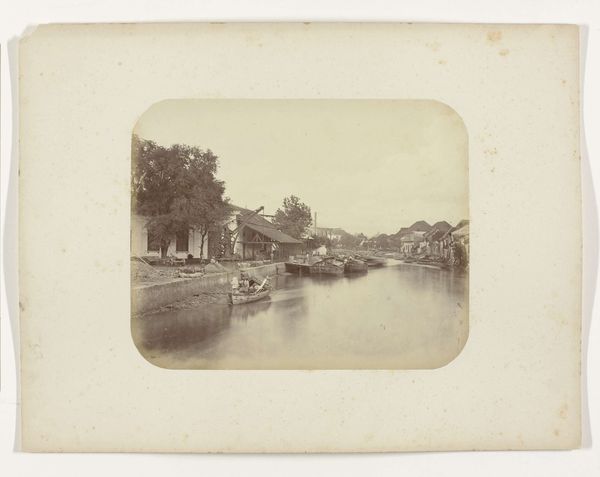
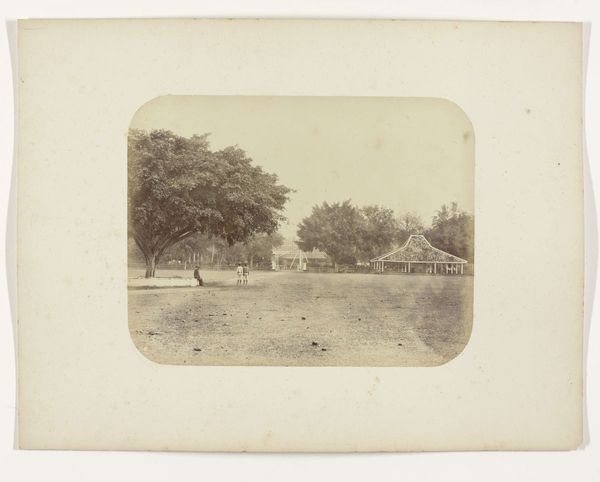
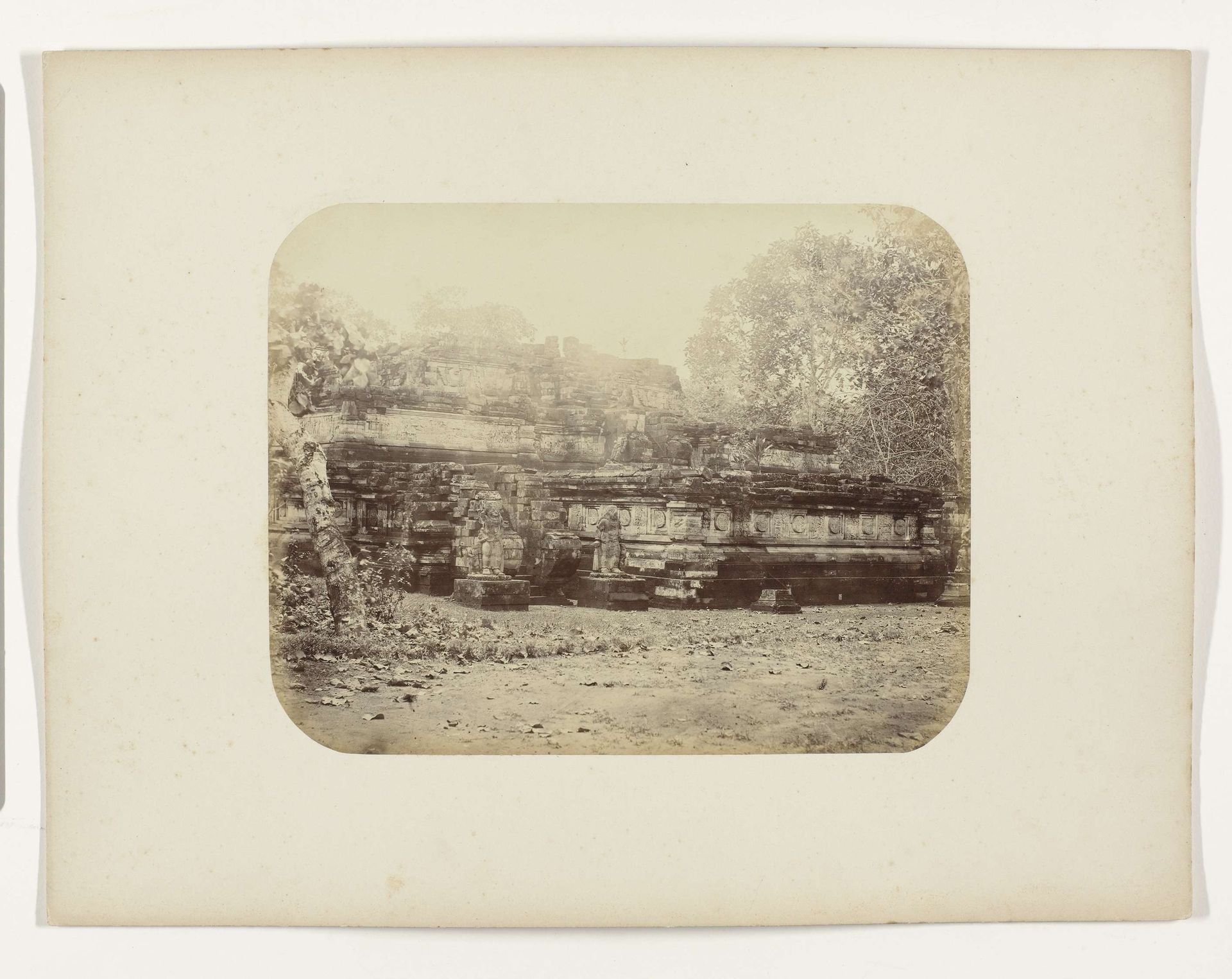
Here we see Herman Salzwedel's photograph, "A Hindu Temple near Yogyakarta," now housed in the Rijksmuseum. The sepia tones and textured materiality immediately evoke a sense of historical distance. The composition is structured by the temple's horizontal lines, which create a sense of groundedness. These strong lines are softened by the organic forms of the surrounding vegetation. The temple's architecture, adorned with intricate carvings, is a study in contrasts. The geometric precision of the structure meets the natural, almost chaotic, growth of the encroaching foliage. Salzwedel plays with light and shadow to emphasize the temple's form. The interplay between the solidity of the stone and the ethereality of light complicates our understanding of permanence and decay. Consider how this tension might reflect broader colonial discourses about time, history, and cultural preservation. The photograph becomes a sign, laden with both aesthetic and cultural significance, inviting ongoing dialogue.
Een Hindoetempel bij Jogyakarta
1876 - 1884

Herman Salzwedel
@hermansalzwedelLocation
RijksmuseumArtwork details
- Medium
- tempera, print, photography
- Dimensions
- height 21.6 cm, width 27.5 cm
- Location
- Rijksmuseum
- Copyright
- Rijks Museum: Open Domain
Tags
Comments
Share your thoughts
About this artwork
Here we see Herman Salzwedel's photograph, "A Hindu Temple near Yogyakarta," now housed in the Rijksmuseum. The sepia tones and textured materiality immediately evoke a sense of historical distance. The composition is structured by the temple's horizontal lines, which create a sense of groundedness. These strong lines are softened by the organic forms of the surrounding vegetation. The temple's architecture, adorned with intricate carvings, is a study in contrasts. The geometric precision of the structure meets the natural, almost chaotic, growth of the encroaching foliage. Salzwedel plays with light and shadow to emphasize the temple's form. The interplay between the solidity of the stone and the ethereality of light complicates our understanding of permanence and decay. Consider how this tension might reflect broader colonial discourses about time, history, and cultural preservation. The photograph becomes a sign, laden with both aesthetic and cultural significance, inviting ongoing dialogue.
Comments
Share your thoughts