About this artwork
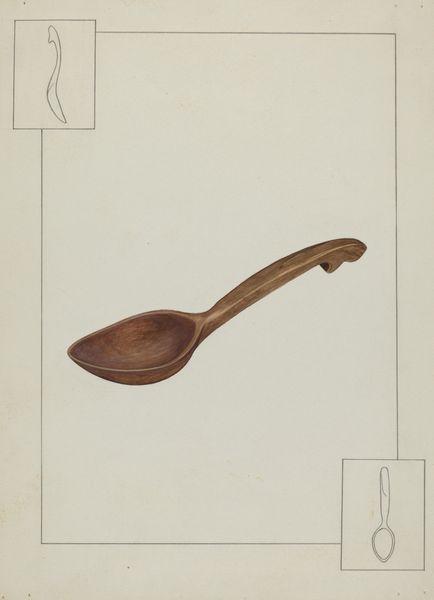
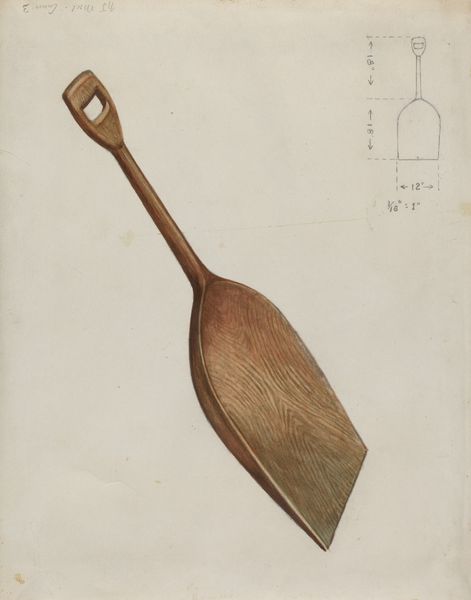
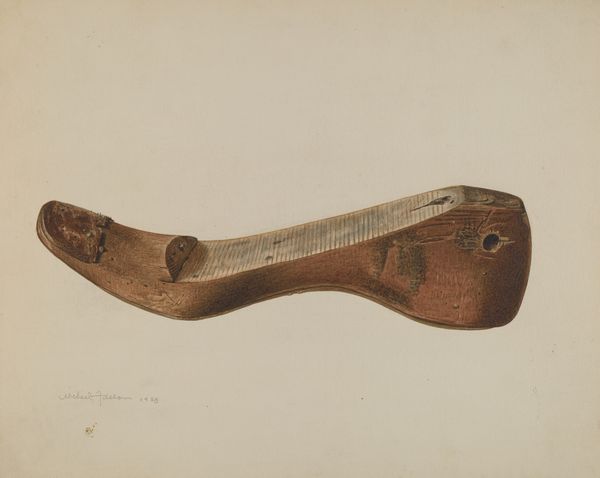
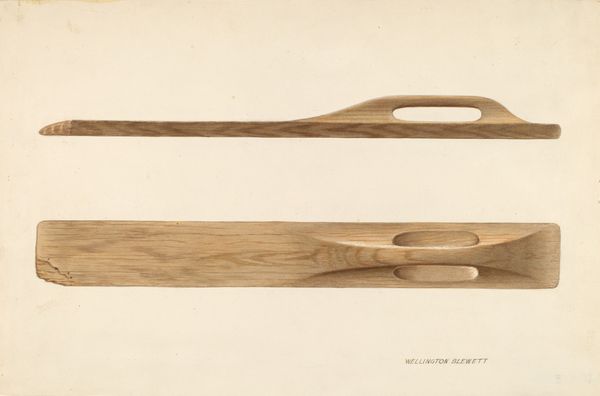
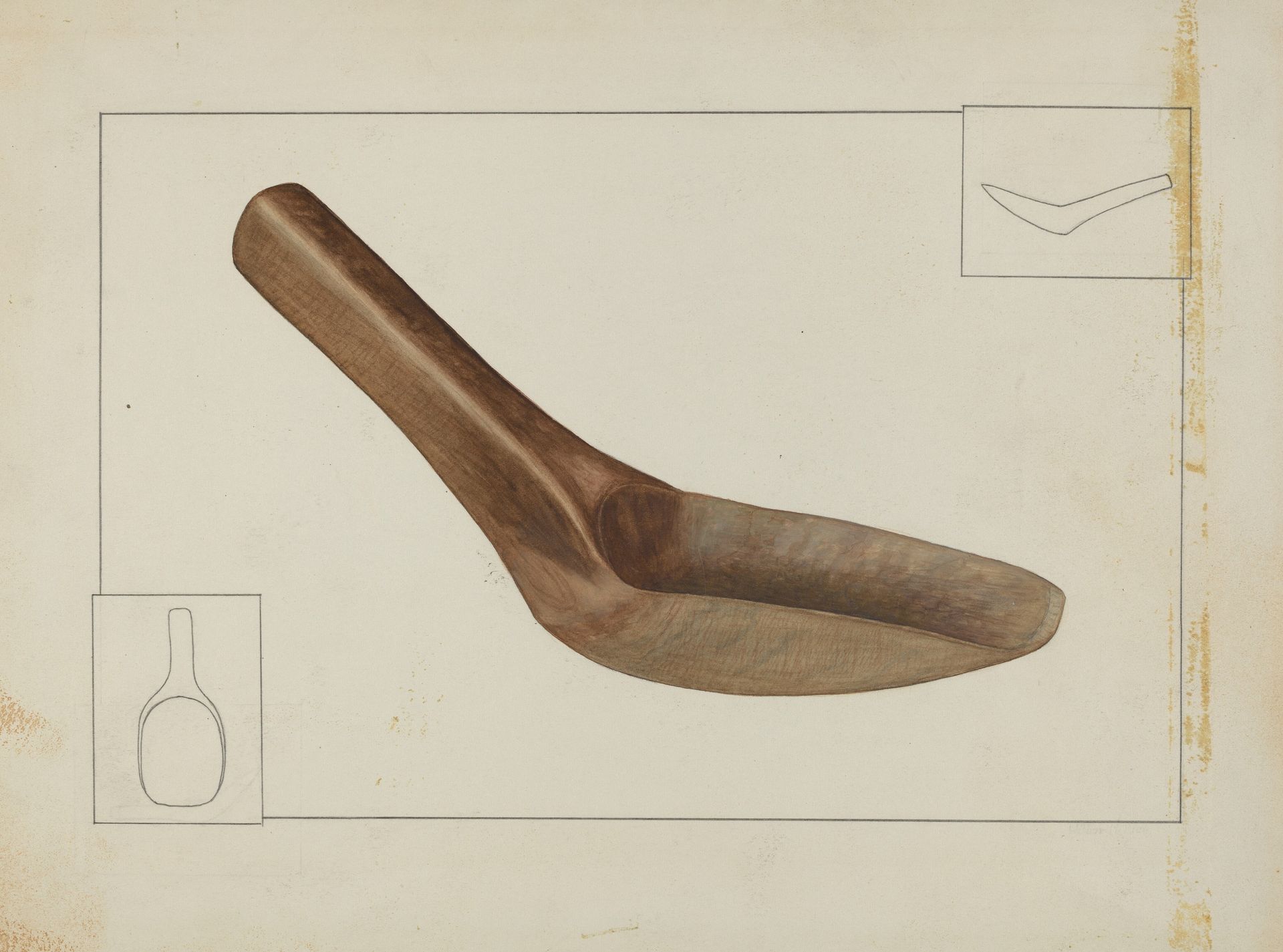
Wilbur Rice made this watercolor and graphite drawing of a "Square Wooden Spoon." What does it mean to represent such a simple, everyday object? Well, this unassuming spoon is not just a drawing of a spoon. It’s a document, a relic of a very specific time. It was produced for the Index of American Design, a New Deal project. As part of the Works Progress Administration during the Great Depression, the Index employed artists to record American material culture. Think of the social conditions that gave rise to this project – economic hardship, the government’s role in supporting the arts, and the desire to preserve a sense of national identity through documenting folk art. So when we look at this spoon, consider it as more than just an aesthetic object. It is an artifact of a particular moment in American history and a commentary on the values and priorities of that time. To understand it better, you might explore archives, government documents, and period newspapers.


Artwork details
- Medium
- drawing, graphite
- Dimensions
- overall: 21.8 x 29.4 cm (8 9/16 x 11 9/16 in.) Original IAD Object: 8 3/4" long; 4 3/4" wide
- Copyright
- National Gallery of Art: CC0 1.0
Tags
Comments
Share your thoughts
About this artwork
Wilbur Rice made this watercolor and graphite drawing of a "Square Wooden Spoon." What does it mean to represent such a simple, everyday object? Well, this unassuming spoon is not just a drawing of a spoon. It’s a document, a relic of a very specific time. It was produced for the Index of American Design, a New Deal project. As part of the Works Progress Administration during the Great Depression, the Index employed artists to record American material culture. Think of the social conditions that gave rise to this project – economic hardship, the government’s role in supporting the arts, and the desire to preserve a sense of national identity through documenting folk art. So when we look at this spoon, consider it as more than just an aesthetic object. It is an artifact of a particular moment in American history and a commentary on the values and priorities of that time. To understand it better, you might explore archives, government documents, and period newspapers.
Comments
Share your thoughts