
Curatorial notes
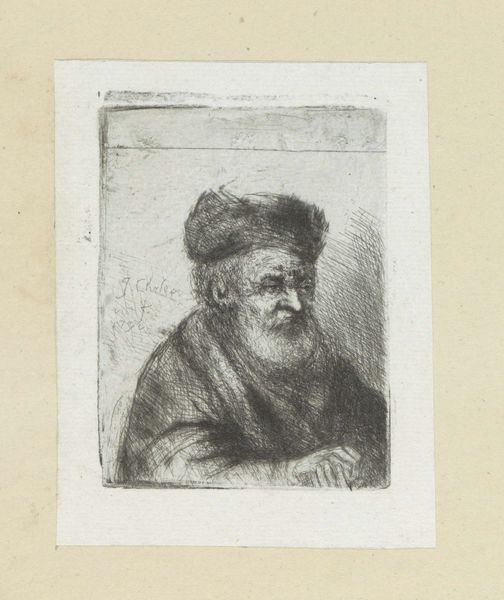
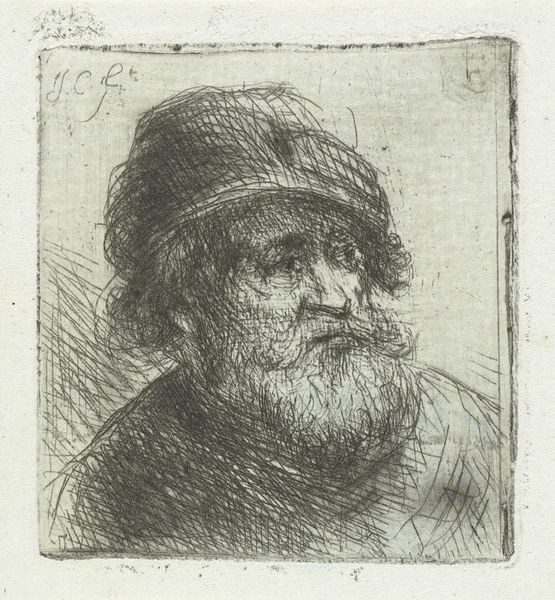
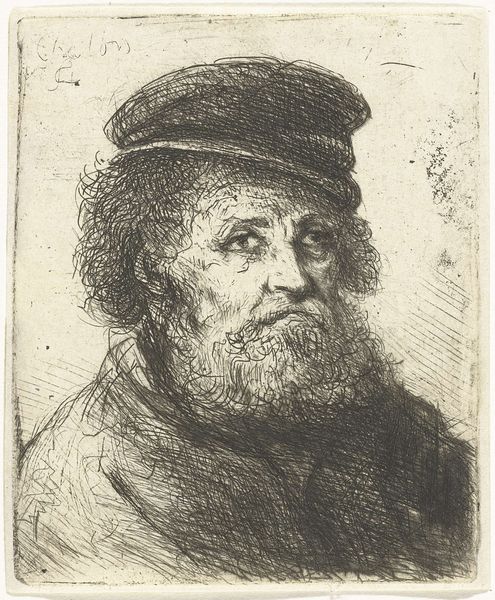
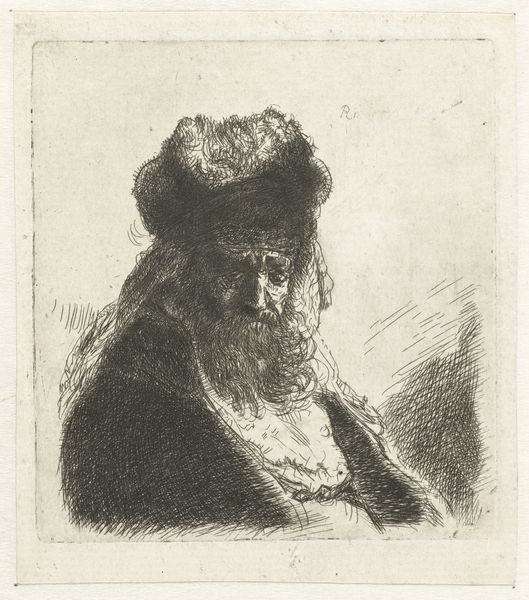
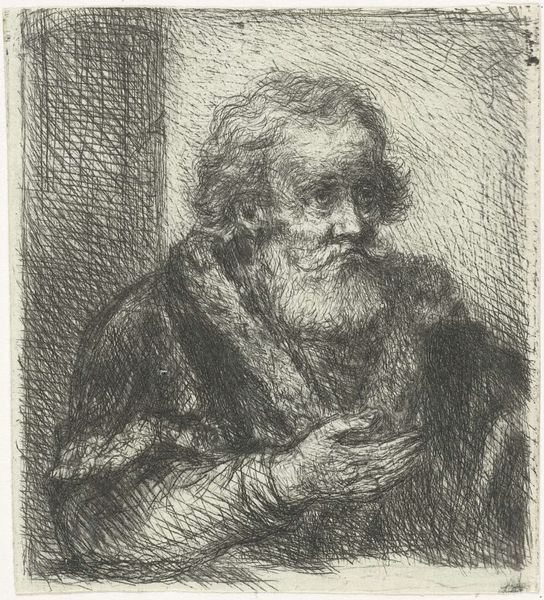
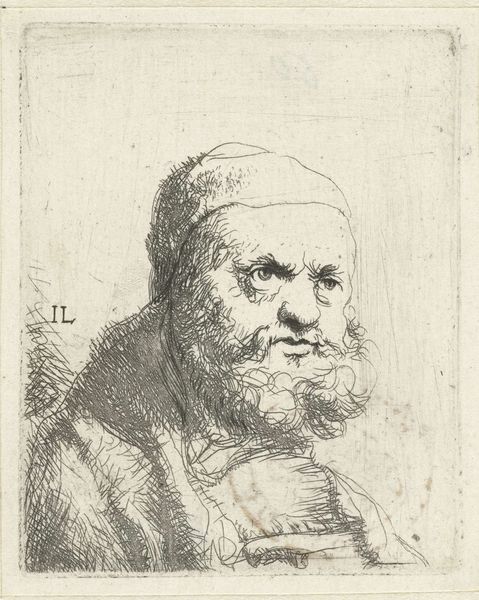
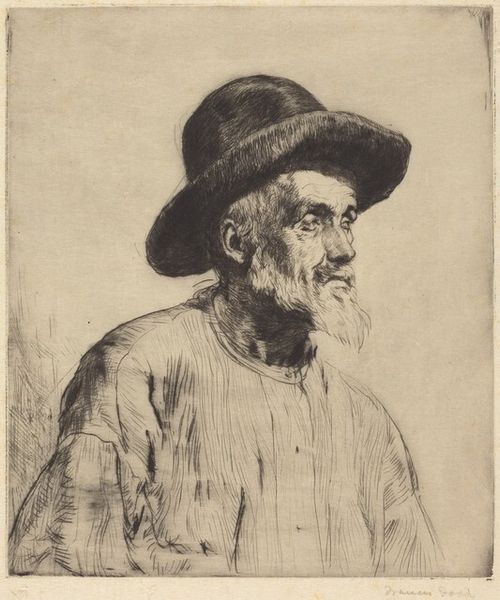
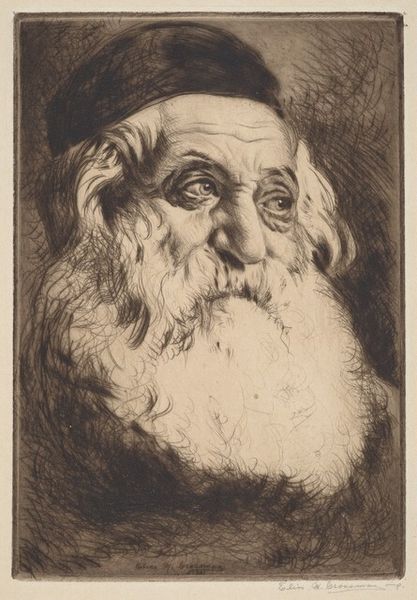
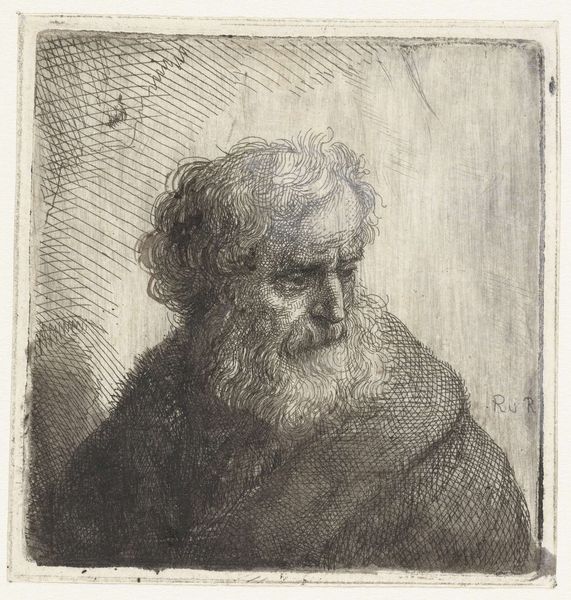
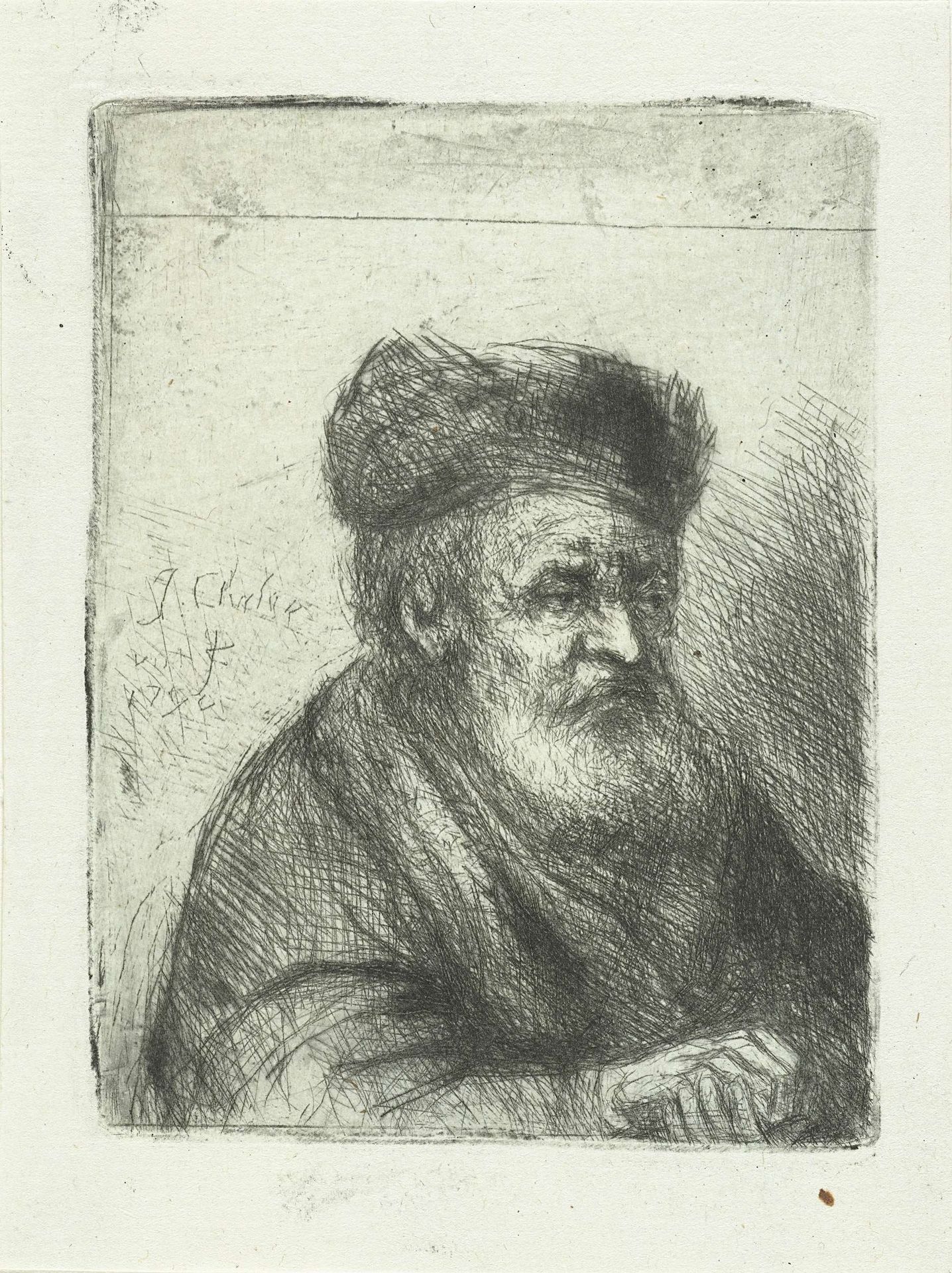
This etching, depicting an old man with folded hands, was made by Jan Chalon around 1790 in the Netherlands. It reflects a broader European interest in representing individuals, particularly the elderly, with a focus on their inner lives and moral character. The image presents an interesting set of visual codes. The man’s humble attire and posture suggest piety and perhaps a life of simplicity. In the Dutch Republic of this period, marked by significant social stratification, images like these offered a glimpse into the lives of ordinary people, reinforcing values such as humility and contentment. Studying the economic and religious history of the Netherlands at this time might give us more context. Archival sources, such as probate inventories and parish records, could tell us more about the social status of the sitter and how this image might have been viewed by different audiences. Ultimately, this etching serves as a reminder that art's meaning is always shaped by its social and historical context.