About this artwork
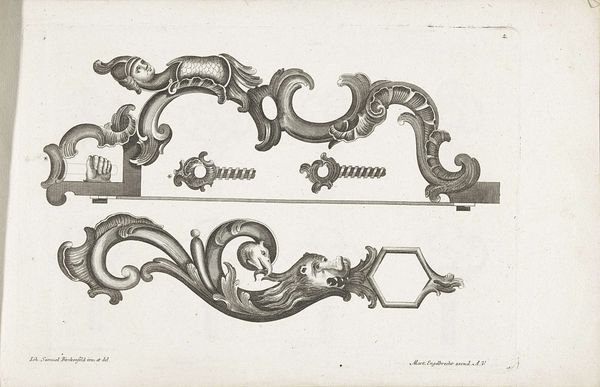
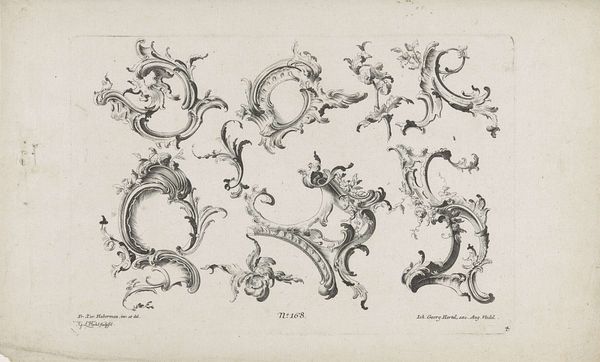
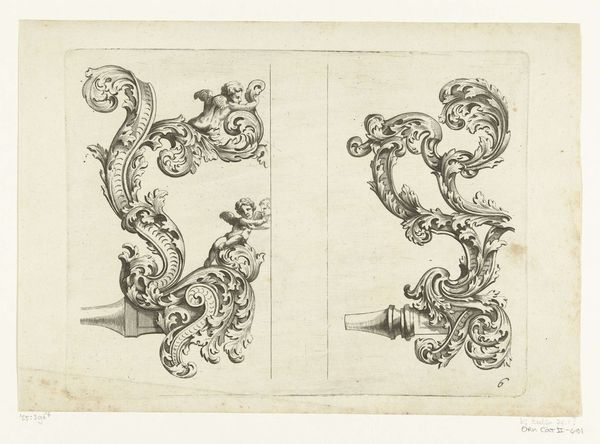
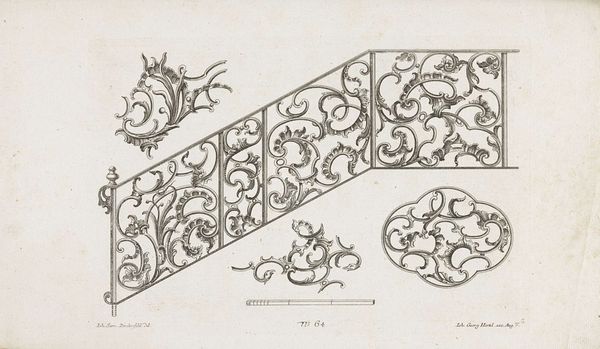
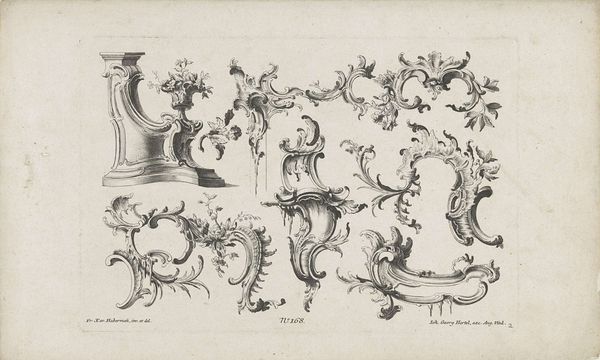
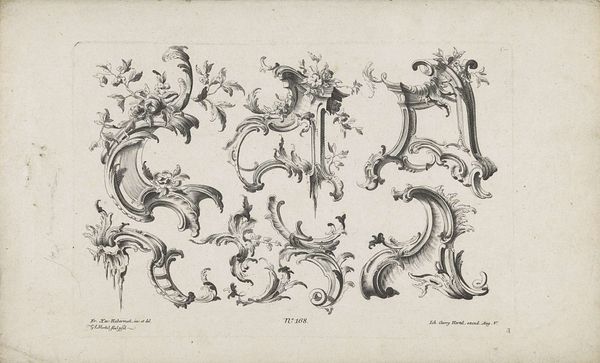
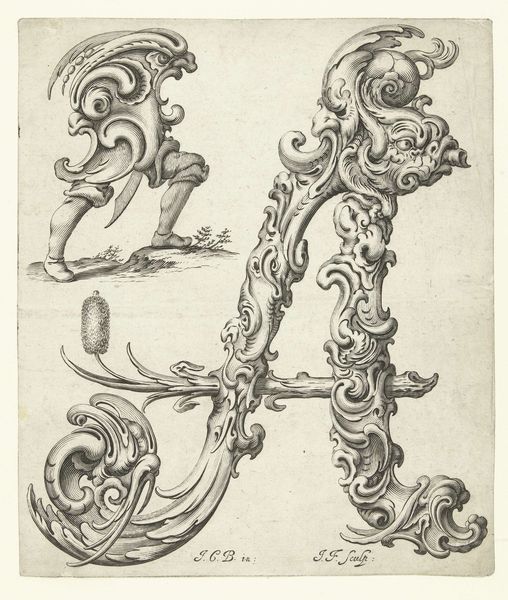
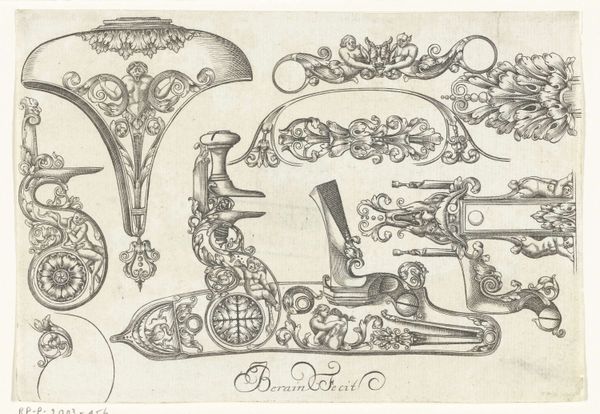
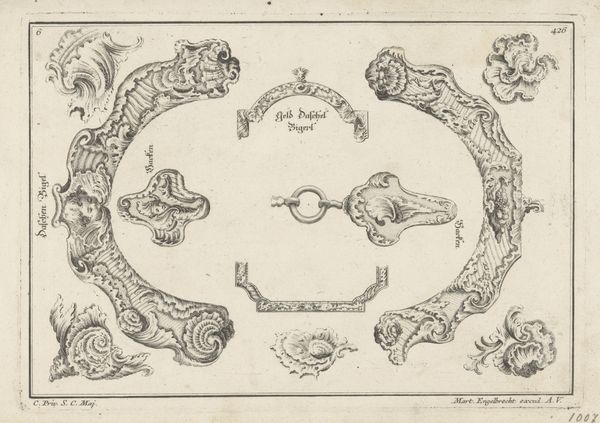
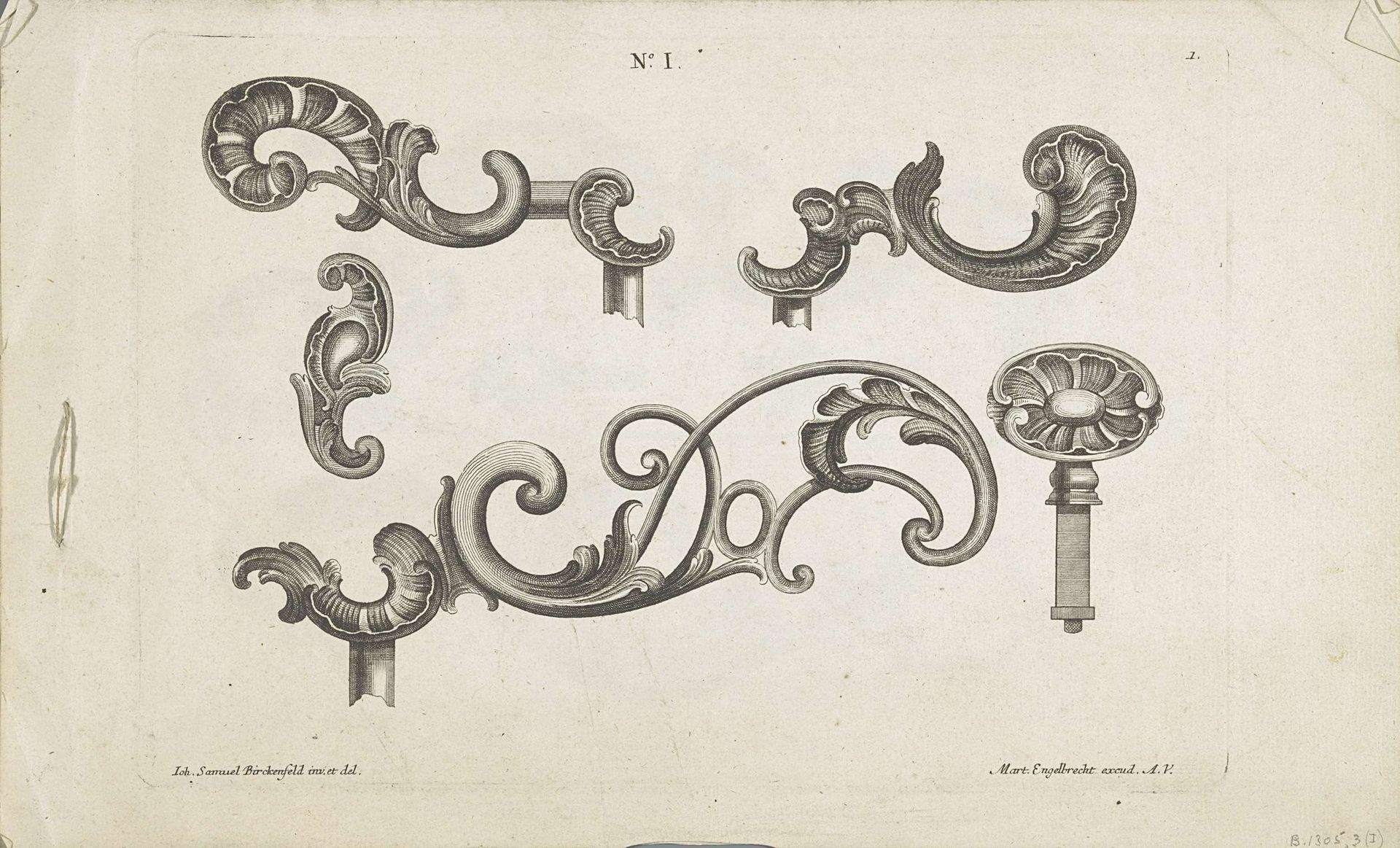
This drawing presents five lock designs adorned with rocailles, likely crafted during the rococo era. The dominant visual symbols here are the flowing, asymmetrical curves and shell-like ornaments characteristic of the style, which evoke a sense of naturalism and playful elegance. Consider how these motifs—the shell, the leaf, the tendril—reappear across time and space. From ancient Greek acanthus leaves to Renaissance grotesques, the organic form has persisted as a symbol of vitality and aesthetic refinement. The shell, in particular, with its association to Venus, goddess of love, has long been imbued with connotations of sensuality and fertility. The resurgence of these forms in the rococo style is no accident. It reflects a collective desire for lightness and ornamentation, a subconscious yearning to break free from the constraints of rigid classicism. This drawing serves as a reminder that the life of images is non-linear. They resurface, evolve, and take on new meanings as the wheel of history turns.

Artwork details
- Medium
- drawing, ornament, print, metal, etching, intaglio, ink, engraving
- Dimensions
- height 209 mm, width 306 mm
- Location
- Rijksmuseum
- Copyright
- Rijks Museum: Open Domain
Tags
drawing
ornament
baroque
metal
etching
intaglio
ink
decorative-art
engraving
Comments
Be the first to share your thoughts about this work.
About this artwork
This drawing presents five lock designs adorned with rocailles, likely crafted during the rococo era. The dominant visual symbols here are the flowing, asymmetrical curves and shell-like ornaments characteristic of the style, which evoke a sense of naturalism and playful elegance. Consider how these motifs—the shell, the leaf, the tendril—reappear across time and space. From ancient Greek acanthus leaves to Renaissance grotesques, the organic form has persisted as a symbol of vitality and aesthetic refinement. The shell, in particular, with its association to Venus, goddess of love, has long been imbued with connotations of sensuality and fertility. The resurgence of these forms in the rococo style is no accident. It reflects a collective desire for lightness and ornamentation, a subconscious yearning to break free from the constraints of rigid classicism. This drawing serves as a reminder that the life of images is non-linear. They resurface, evolve, and take on new meanings as the wheel of history turns.
Comments
Be the first to share your thoughts about this work.