c. 1854
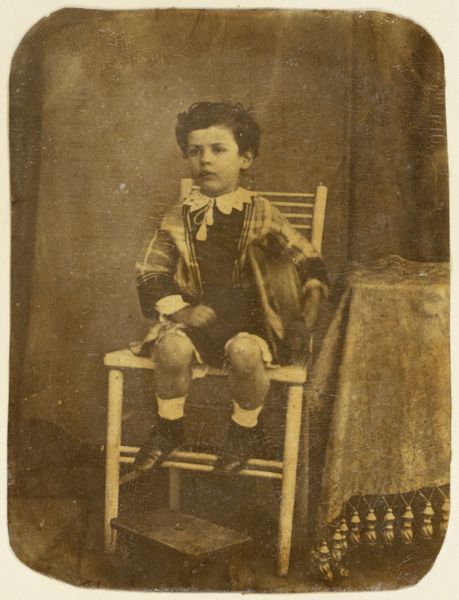
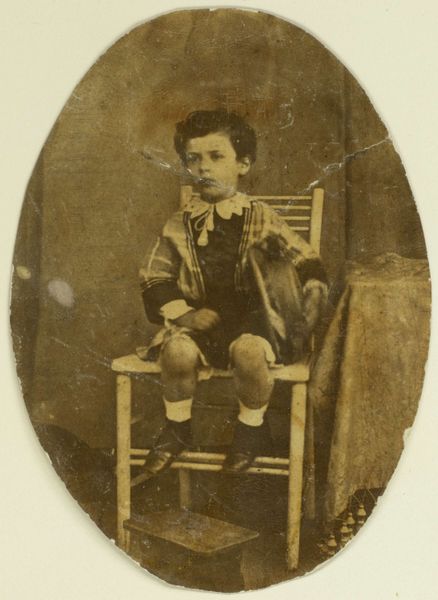
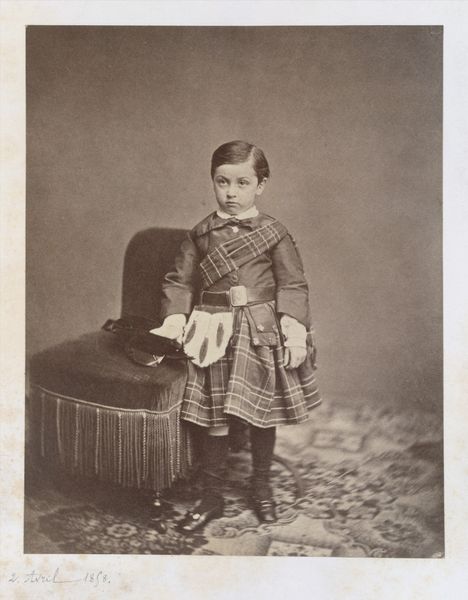
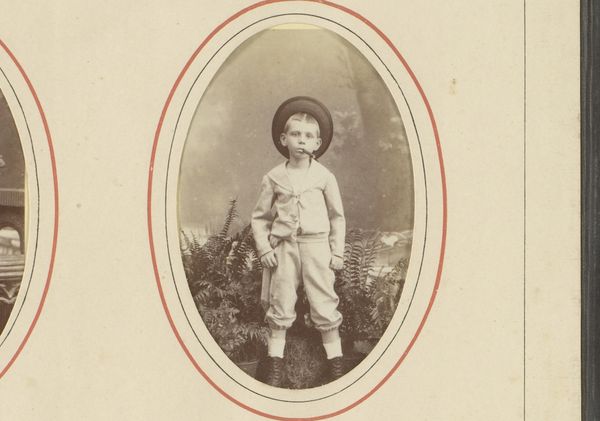
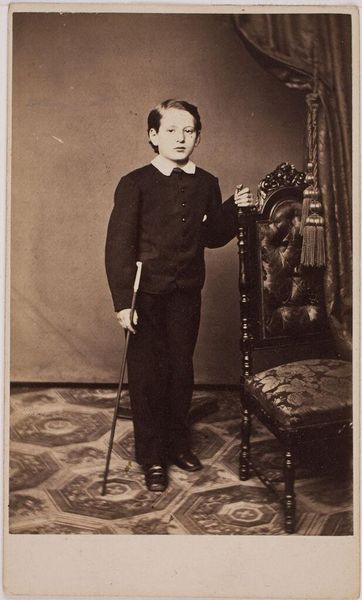
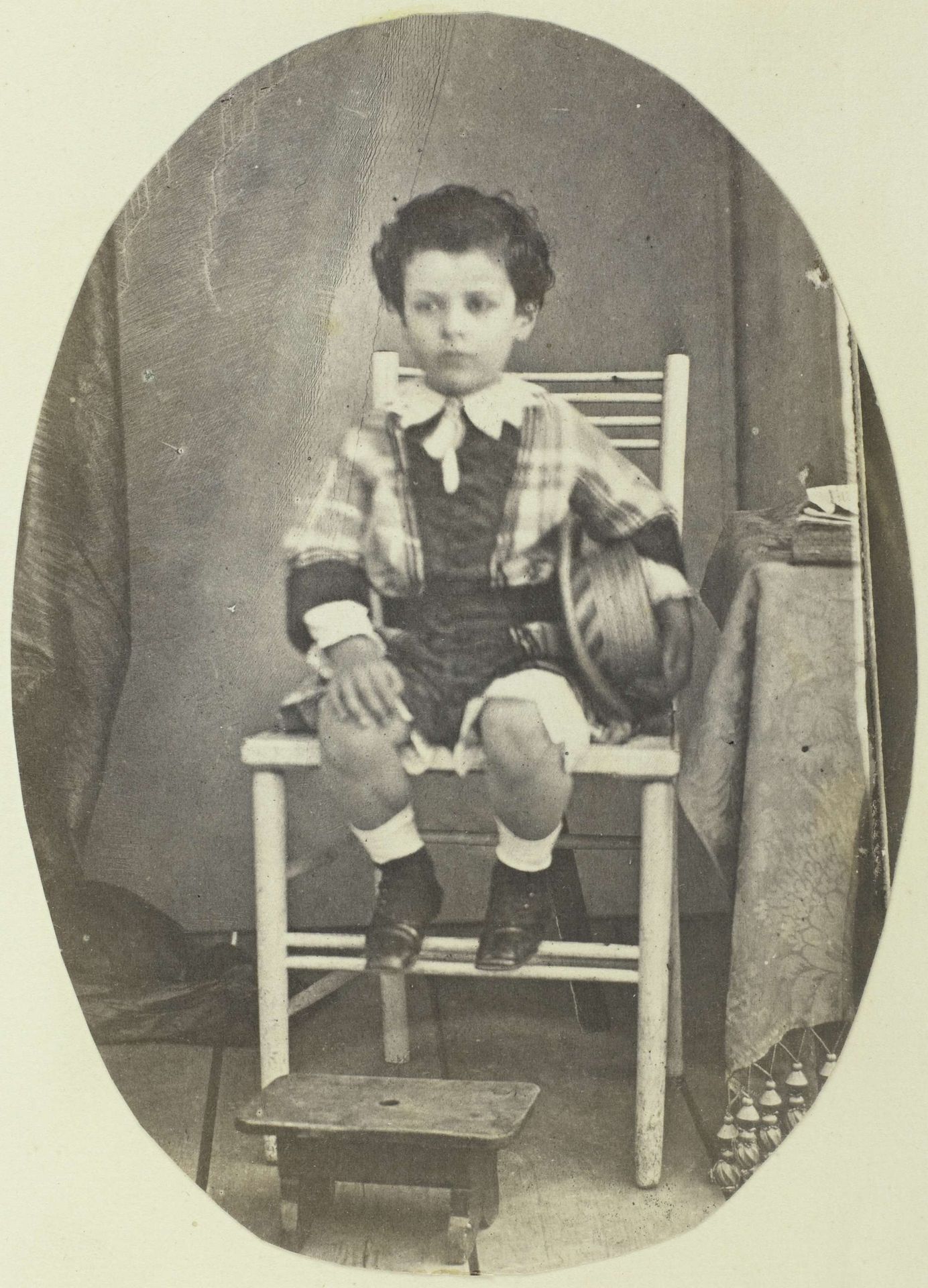
Portret van Lodewijk Asser

Eduard Isaac Asser
1809 - 1894Location
RijksmuseumListen to curator's interpretation
Curatorial notes
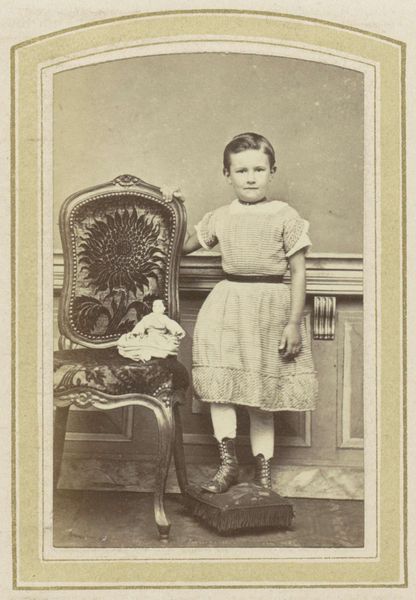
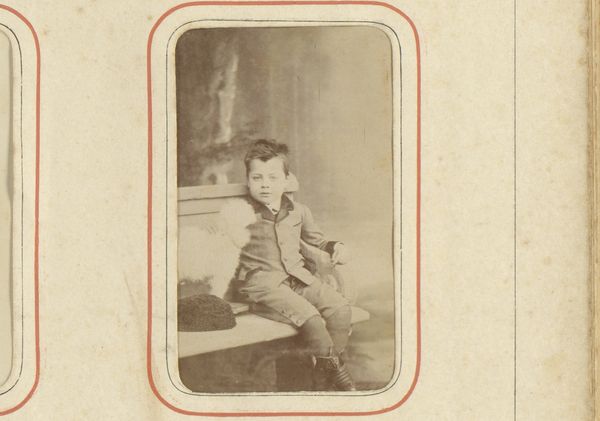
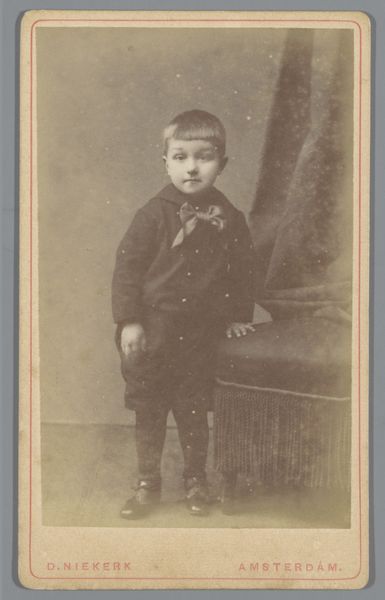
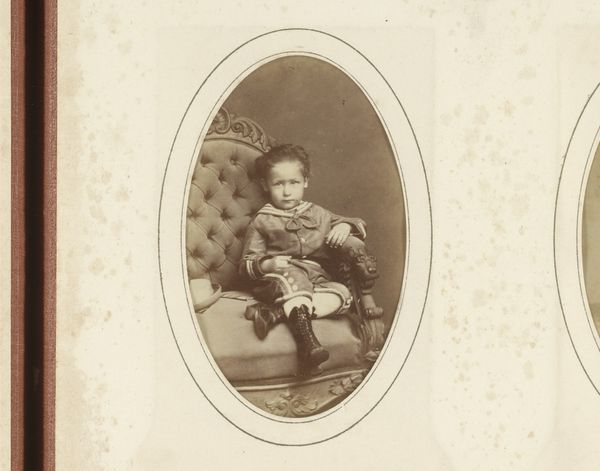
This is Eduard Isaac Asser’s portrait of Lodewijk Asser, his son. We don't have a precise date for it, but it was undoubtedly made using the collodion process. Collodion was the cutting-edge photographic technology of its day. The process involved coating a glass plate with a mixture of cellulose, ether, alcohol, and light-sensitive chemicals. Because it had to be exposed and developed while still wet, photographers like Asser often had to carry portable darkrooms with them. The collodion process had a profound impact on the way photography was practiced and perceived. It democratized image-making, making it more accessible to amateurs and commercial studios alike. This is visible here: the slightly blurry image, the domestic setting, the child's clothing. It all speaks to the everyday quality that photography was rapidly acquiring at this time. Ultimately, what's important to remember is that every photograph is the result of specific materials and processes. These choices influence not only the image's appearance, but also its social and cultural meaning.