![Untitled [bust portrait of a woman with lace cap] by Jeremiah Gurney](https://d2w8kbdekdi1gv.cloudfront.net/eyJidWNrZXQiOiAiYXJ0ZXJhLWltYWdlcy1idWNrZXQiLCAia2V5IjogImFydHdvcmtzL2I4MDlmZGYxLWEzMDQtNDlkZS1hYjg5LTc4NjNhNmEzZWUwZS9iODA5ZmRmMS1hMzA0LTQ5ZGUtYWI4OS03ODYzYTZhM2VlMGVfZnVsbC5qcGciLCAiZWRpdHMiOiB7InJlc2l6ZSI6IHsid2lkdGgiOiAxOTIwLCAiaGVpZ2h0IjogMTkyMCwgImZpdCI6ICJpbnNpZGUifX19)
About this artwork
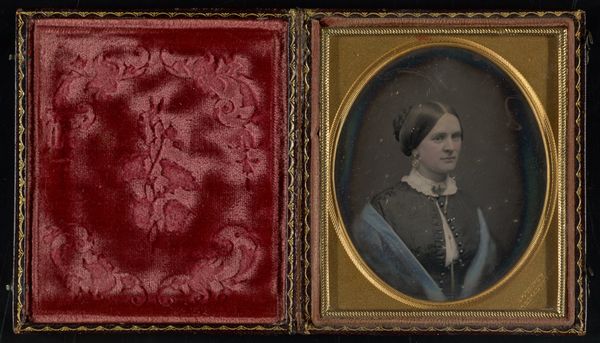
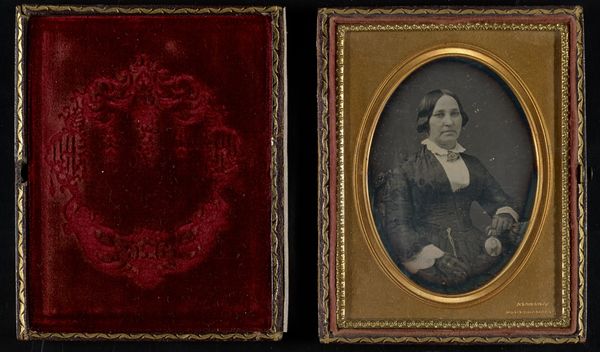
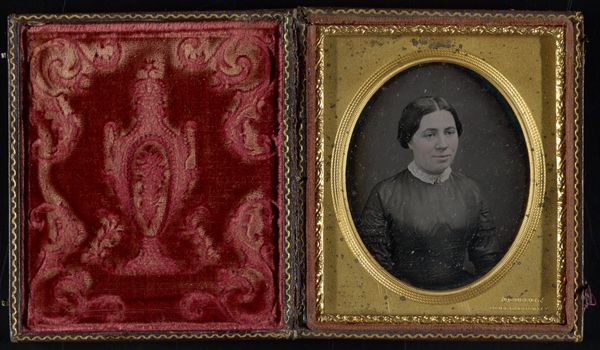
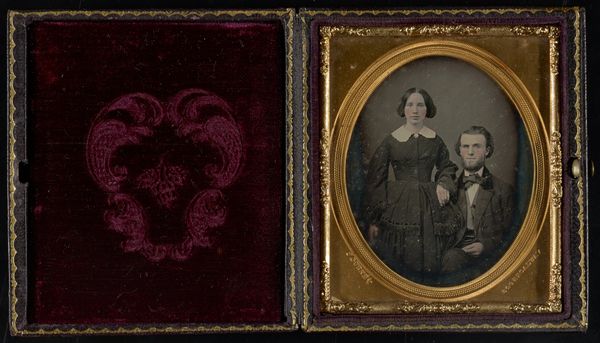
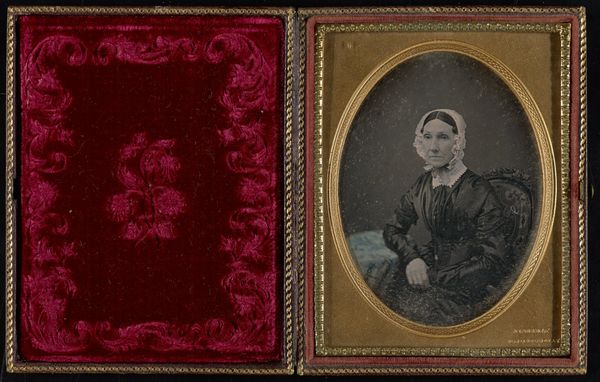
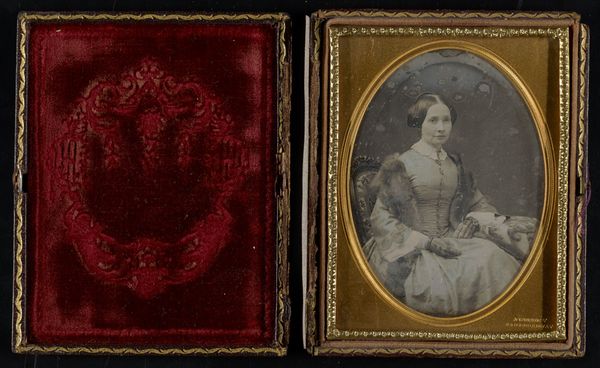
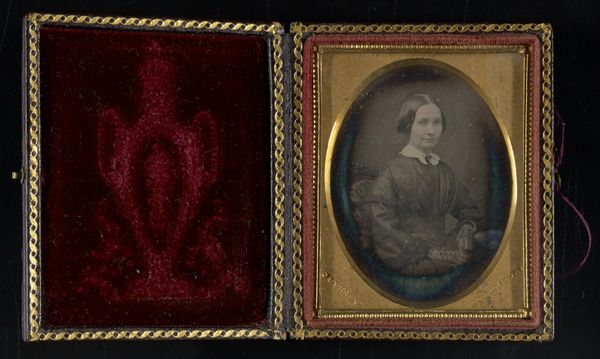
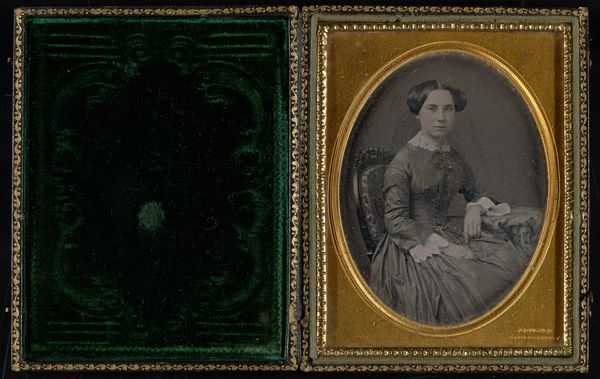
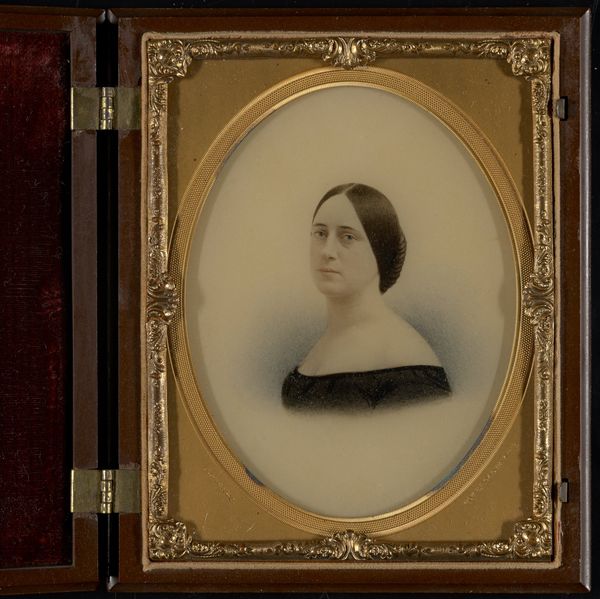
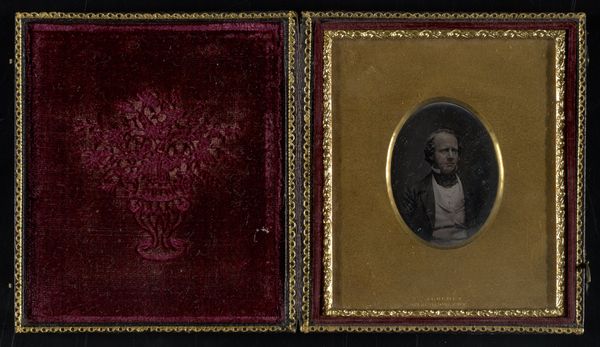
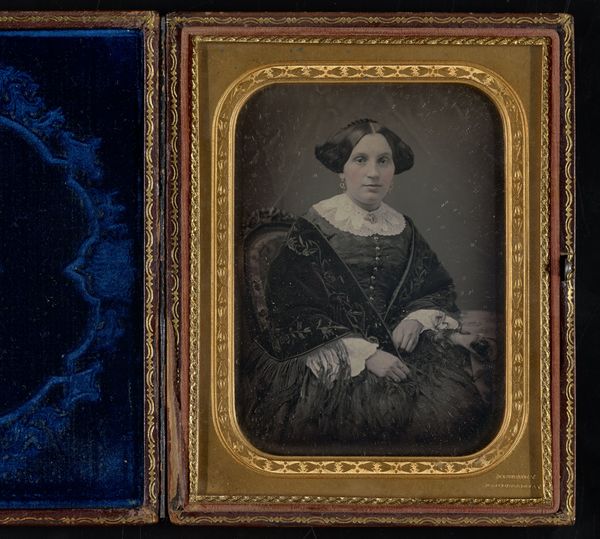
Jeremiah Gurney made this photograph, an ambrotype, of an unknown woman sometime in the mid-19th century. During this era, photography studios emerged as important social institutions, democratizing portraiture for a burgeoning middle class in America. The ambrotype, a direct positive image on glass, offered a more affordable alternative to earlier photographic processes like the daguerreotype. The woman's modest attire and lace cap reflect the fashion and social norms of the time, but photography also offered women the opportunity to participate in its production through work. This raises questions about gender and representation in the photographic arts. Was the sitter from the rising middle class? Did she have a say in how she was represented? Understanding the social and economic context of photography is crucial for interpreting images like these. By consulting period newspapers, business directories, and photographic journals, we can learn more about the cultural significance of studio portraiture in 19th-century America.
Untitled [bust portrait of a woman with lace cap] c. 1844 - 1852


Artwork details
- Medium
- daguerreotype, photography, albumen-print
- Dimensions
- 4 1/4 x 3 1/4 in. (10.8 x 8.26 cm) (image)4 11/16 x 3 3/4 x 13/16 in. (11.91 x 9.53 x 2.06 cm) (mount)
- Location
- Minneapolis Institute of Art
- Copyright
- Public Domain
Tags
portrait
still-life-photography
daguerreotype
photography
decorative art
albumen-print
Comments
No comments
About this artwork
Jeremiah Gurney made this photograph, an ambrotype, of an unknown woman sometime in the mid-19th century. During this era, photography studios emerged as important social institutions, democratizing portraiture for a burgeoning middle class in America. The ambrotype, a direct positive image on glass, offered a more affordable alternative to earlier photographic processes like the daguerreotype. The woman's modest attire and lace cap reflect the fashion and social norms of the time, but photography also offered women the opportunity to participate in its production through work. This raises questions about gender and representation in the photographic arts. Was the sitter from the rising middle class? Did she have a say in how she was represented? Understanding the social and economic context of photography is crucial for interpreting images like these. By consulting period newspapers, business directories, and photographic journals, we can learn more about the cultural significance of studio portraiture in 19th-century America.
Comments
No comments