About this artwork
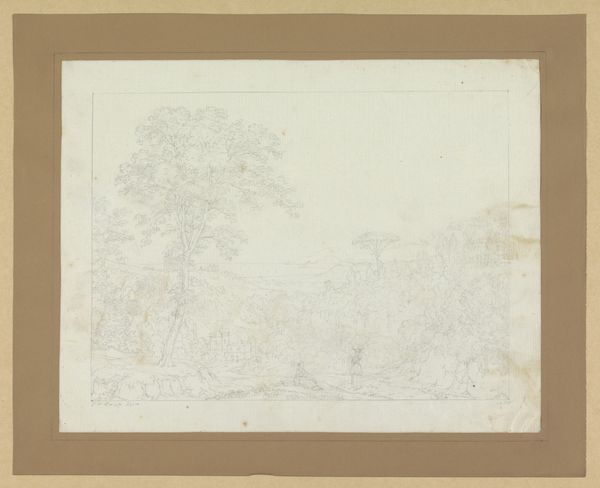
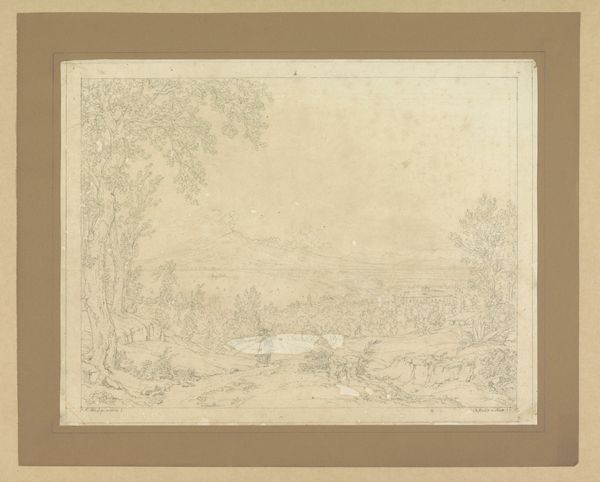
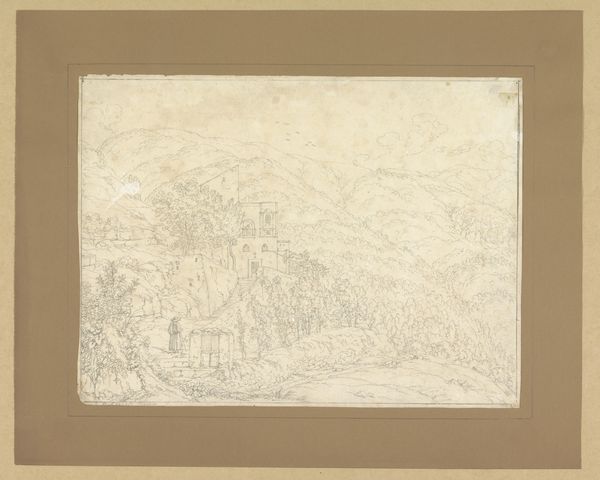
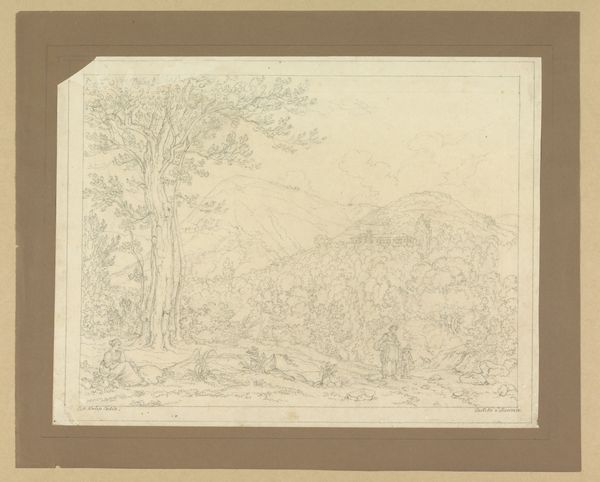
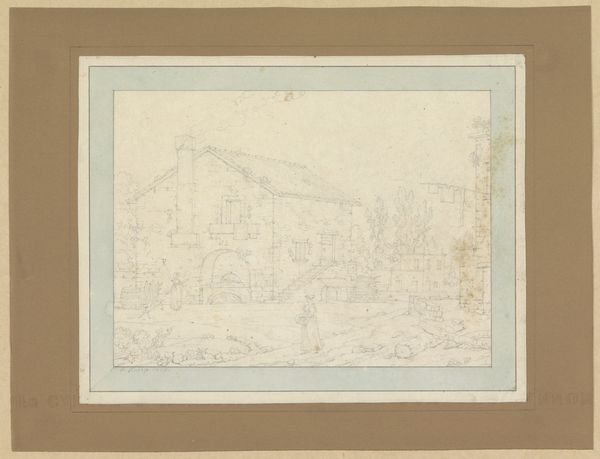
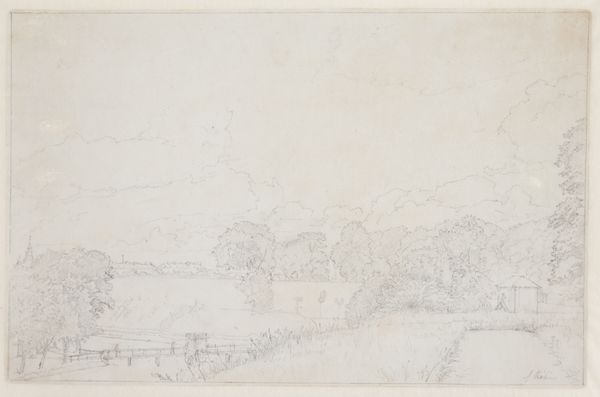
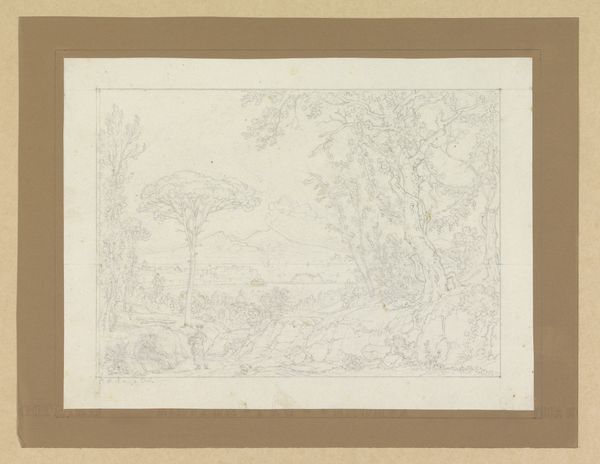
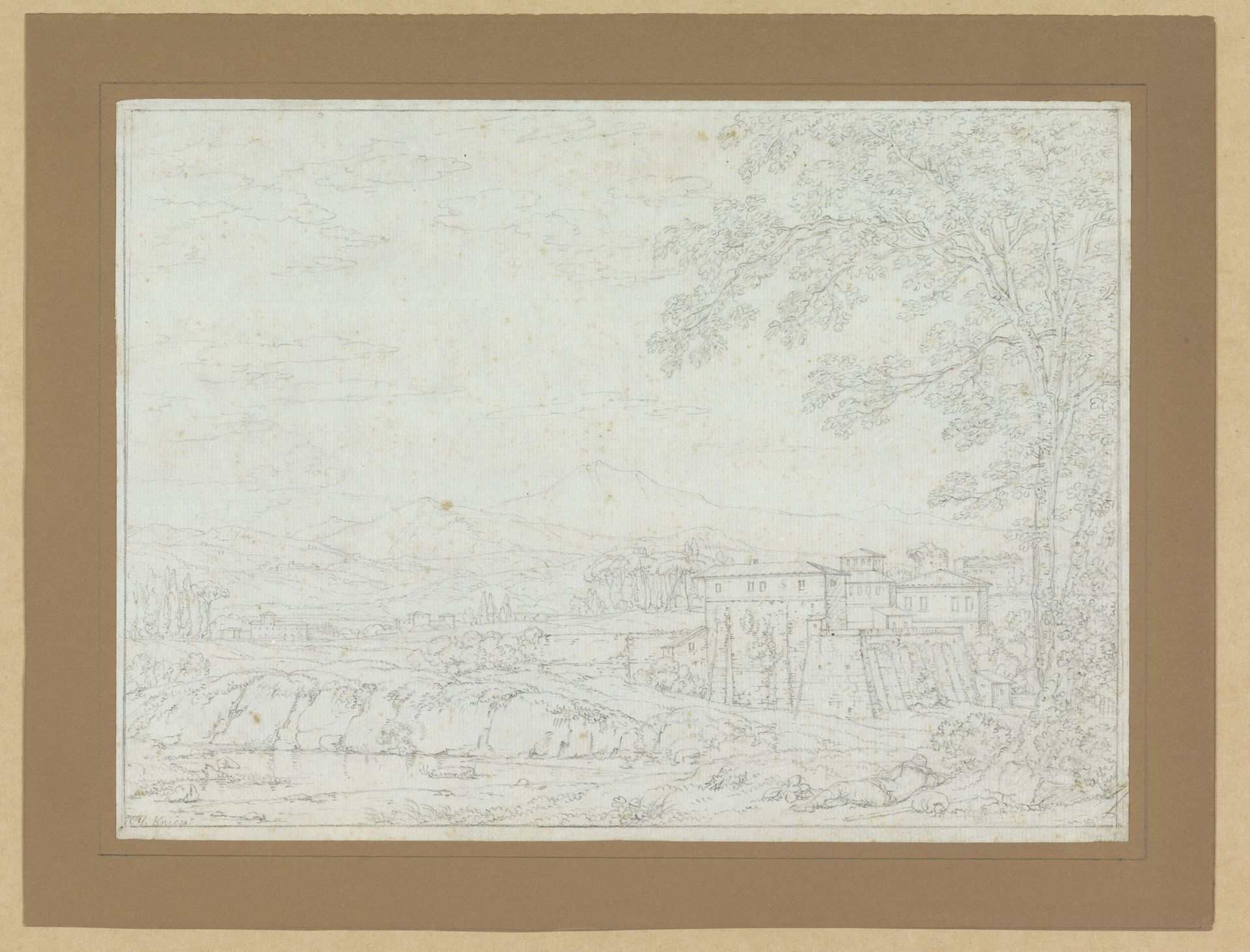
Christoph Heinrich Kniep rendered this landscape with a building and a sleeping shepherd in delicate pencil strokes sometime between the late 18th and early 19th centuries. During this period, artists often idealized pastoral life, presenting shepherds as symbols of tranquility and harmony with nature. But these images often overlooked the harsh realities of rural labor and the social hierarchies of the time. What is the shepherd dreaming of? What is the nature of his labor? Is it his choice, or is he bound to it? The sleeping figure in the foreground adds a layer of complexity. Is he resting, escaping from labor, or is he simply a romanticized element within this constructed scene? The building in the background hints at the presence of landowners and the economic structures that govern the lives of those who work the land. Kniep's drawing invites us to reflect on the relationship between labor, leisure, and the ways in which landscapes can both reveal and conceal the social dynamics of their time.
Landschap met een gebouw en op de voorgrond een slapende herder 1765 - 1825

Artwork details
- Medium
- drawing, pencil
- Dimensions
- height 195 mm, width 265 mm
- Copyright
- Rijks Museum: Open Domain
Tags
drawing
neoclacissism
landscape
mountain
pencil
Comments
No comments
About this artwork
Christoph Heinrich Kniep rendered this landscape with a building and a sleeping shepherd in delicate pencil strokes sometime between the late 18th and early 19th centuries. During this period, artists often idealized pastoral life, presenting shepherds as symbols of tranquility and harmony with nature. But these images often overlooked the harsh realities of rural labor and the social hierarchies of the time. What is the shepherd dreaming of? What is the nature of his labor? Is it his choice, or is he bound to it? The sleeping figure in the foreground adds a layer of complexity. Is he resting, escaping from labor, or is he simply a romanticized element within this constructed scene? The building in the background hints at the presence of landowners and the economic structures that govern the lives of those who work the land. Kniep's drawing invites us to reflect on the relationship between labor, leisure, and the ways in which landscapes can both reveal and conceal the social dynamics of their time.
Comments
No comments