About this artwork
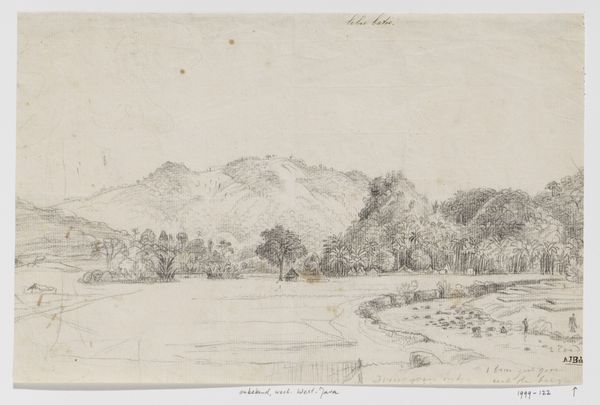
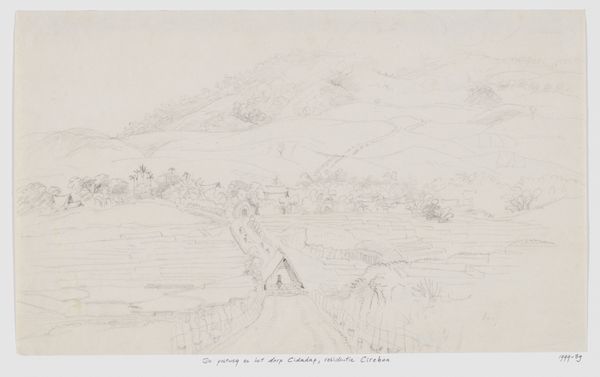
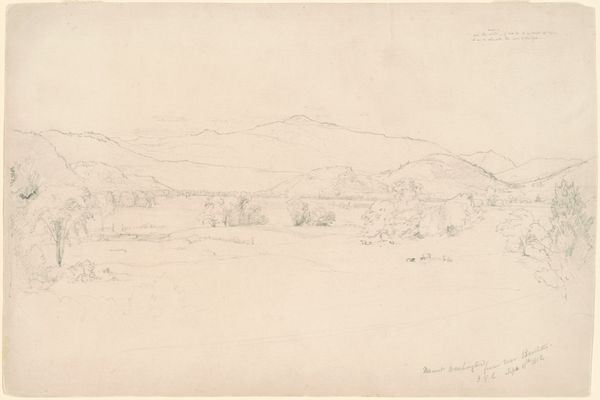
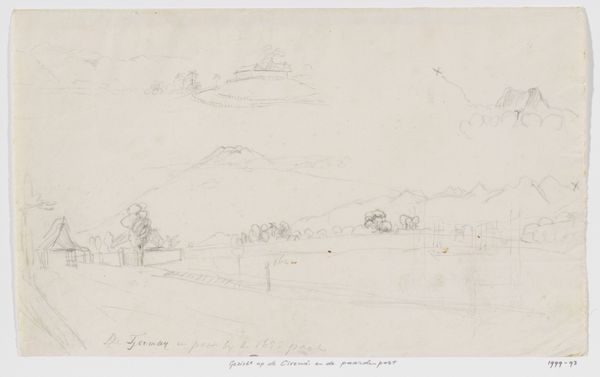
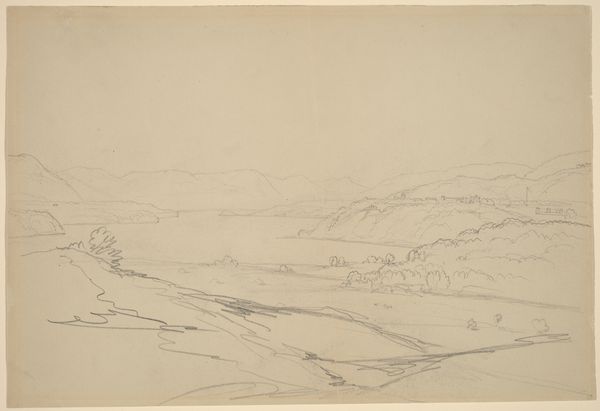
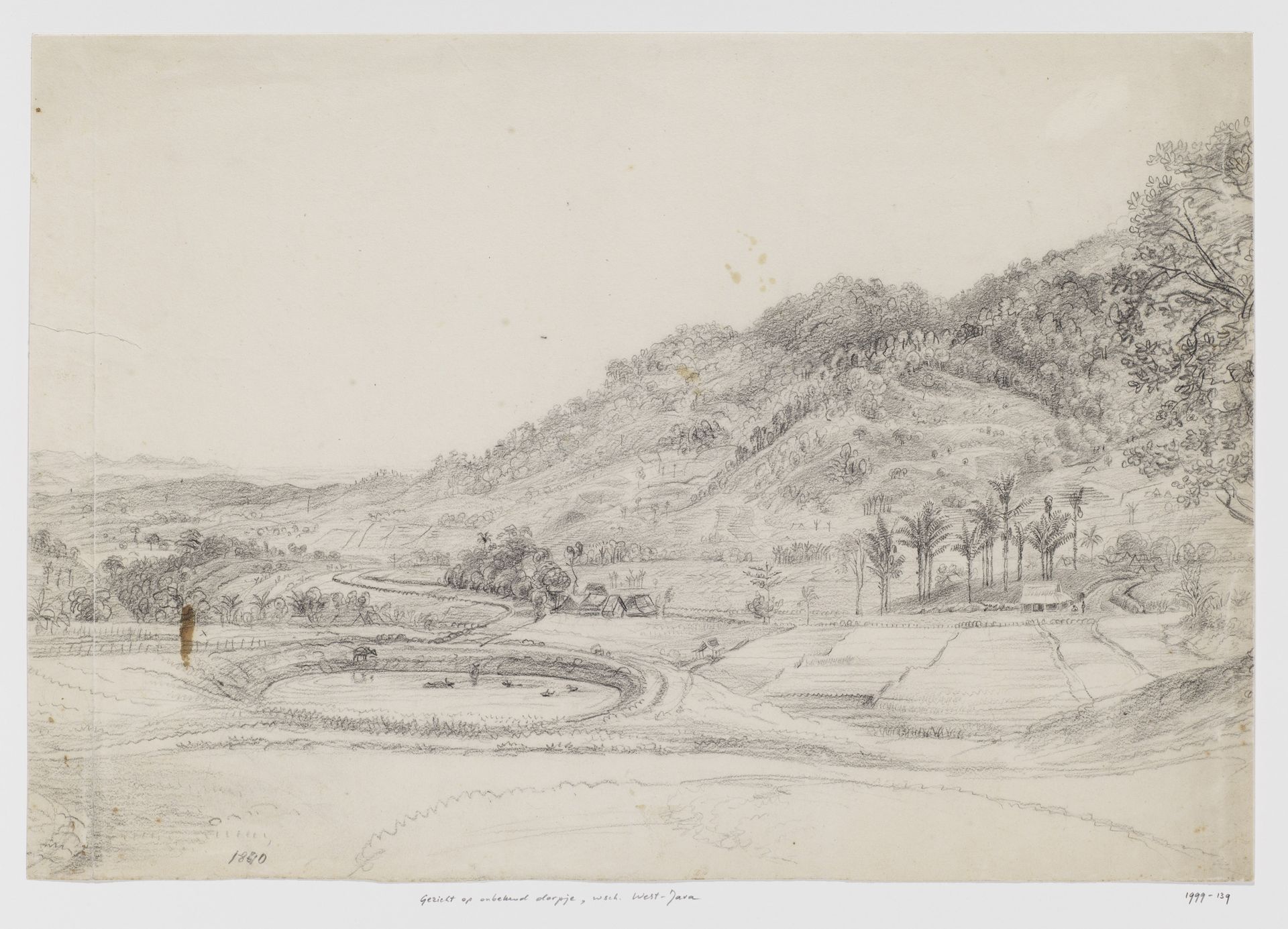
Adrianus Johannes Bik rendered this landscape of West Java in a pencil drawing. At first glance, we see rice fields and palm trees, images of bountiful agriculture. But these are more than tranquil scenes; they are symbols of a colonial enterprise, a world of subjugation and exoticism viewed through European eyes. The methodical arrangement of the rice fields is a testament to human labor, yet the presence of indigenous figures, dwarfed by the landscape, echoes a broader theme of dominance and control. The careful placement of the palm trees, a quintessential emblem of the tropics, carries the weight of colonial fantasy. In a parallel to European depictions of Arcadia, they are resignified here, a dark shadow of imperial expansion and cultural appropriation. The psychological allure of the exotic held a powerful fascination, as artists and viewers alike sought to escape the confines of industrial Europe. This cyclical dance of cultural exchange and domination, of romanticism and subjugation, endures, resurfacing in contemporary reflections on globalization.
Landschap met dorp, vijver en rijstvelden, West-Java
1840

Adrianus Johannes Bik
1790 - 1872Location
RijksmuseumArtwork details
- Medium
- drawing, paper, pencil
- Dimensions
- height 387 mm, width 560 mm
- Location
- Rijksmuseum
- Copyright
- Rijks Museum: Open Domain
Tags
Comments
Share your thoughts
About this artwork
Adrianus Johannes Bik rendered this landscape of West Java in a pencil drawing. At first glance, we see rice fields and palm trees, images of bountiful agriculture. But these are more than tranquil scenes; they are symbols of a colonial enterprise, a world of subjugation and exoticism viewed through European eyes. The methodical arrangement of the rice fields is a testament to human labor, yet the presence of indigenous figures, dwarfed by the landscape, echoes a broader theme of dominance and control. The careful placement of the palm trees, a quintessential emblem of the tropics, carries the weight of colonial fantasy. In a parallel to European depictions of Arcadia, they are resignified here, a dark shadow of imperial expansion and cultural appropriation. The psychological allure of the exotic held a powerful fascination, as artists and viewers alike sought to escape the confines of industrial Europe. This cyclical dance of cultural exchange and domination, of romanticism and subjugation, endures, resurfacing in contemporary reflections on globalization.
Comments
Share your thoughts