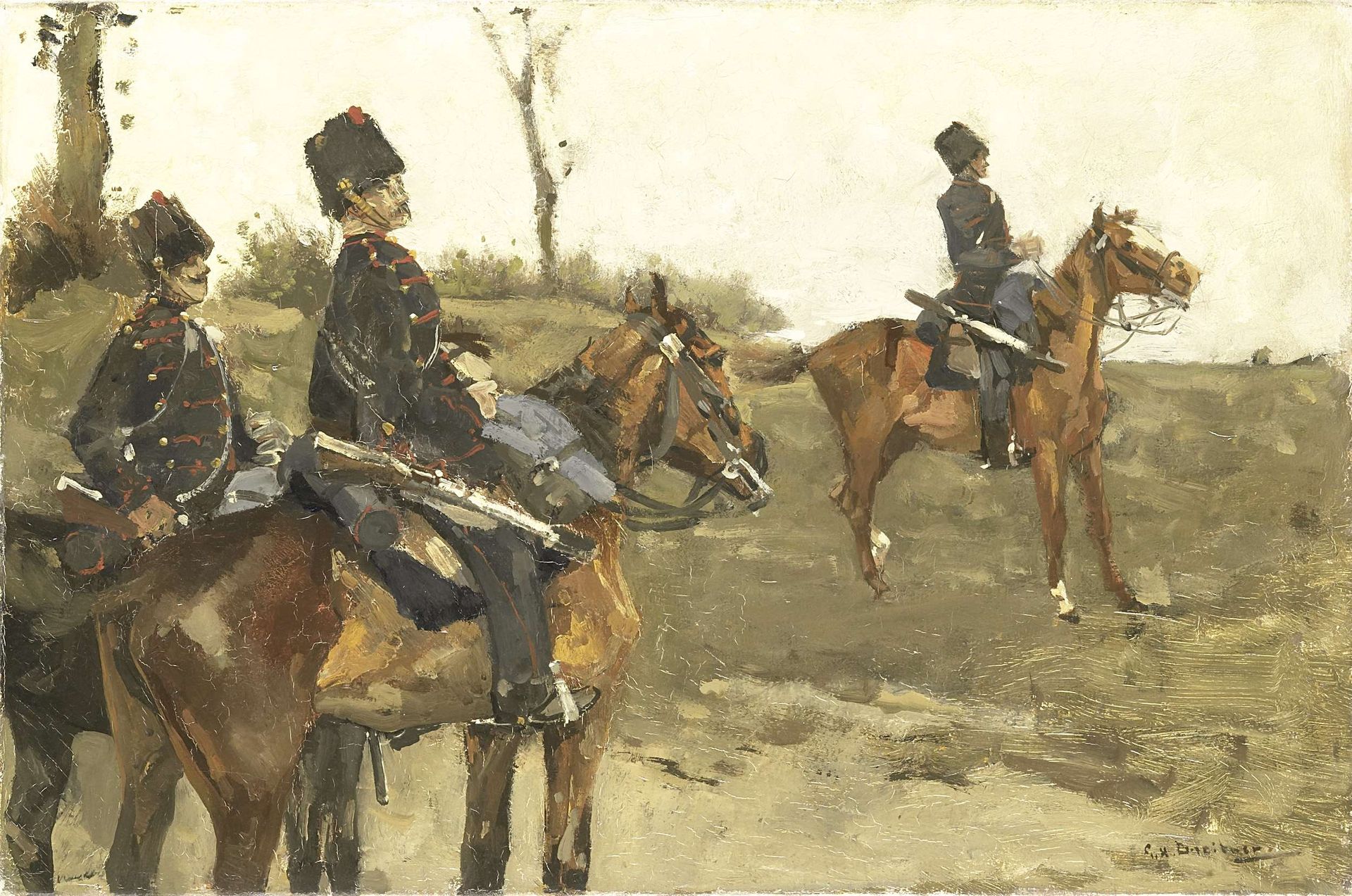
c. 1880 - 1890
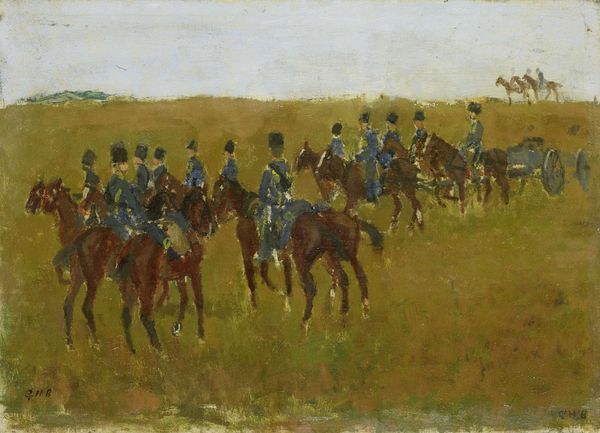
Hussars

George Hendrik Breitner
1857 - 1923Location
RijksmuseumListen to curator's interpretation
Curatorial notes
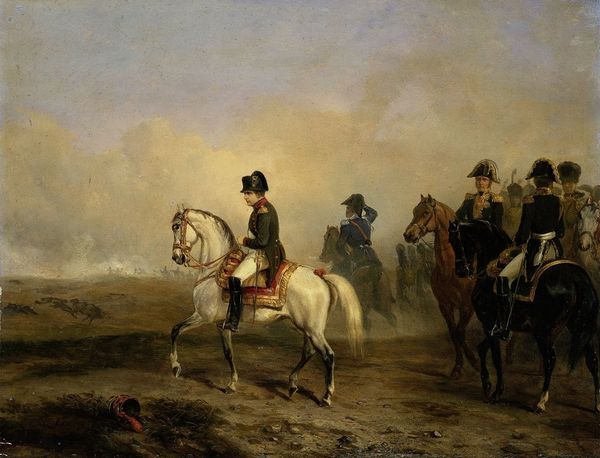
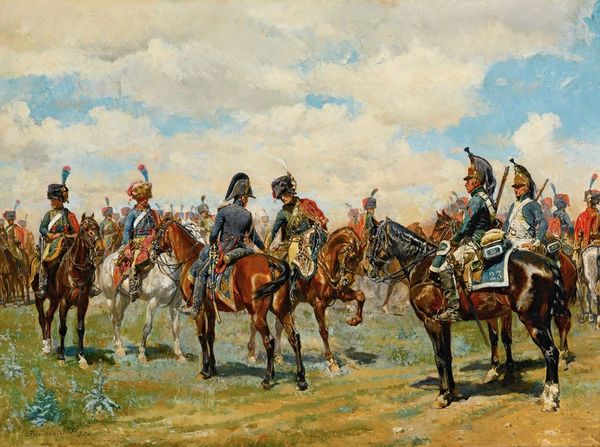
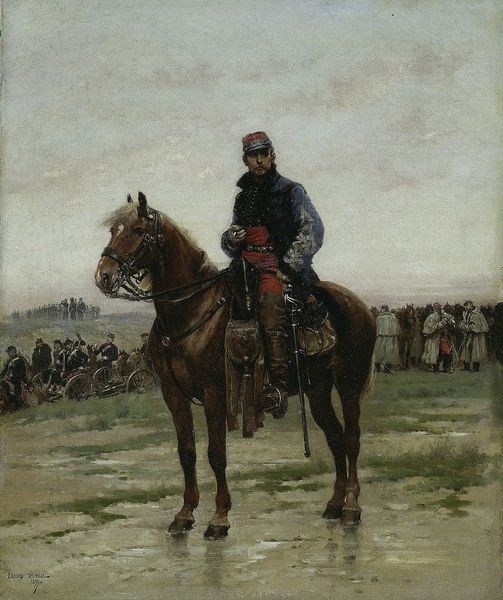
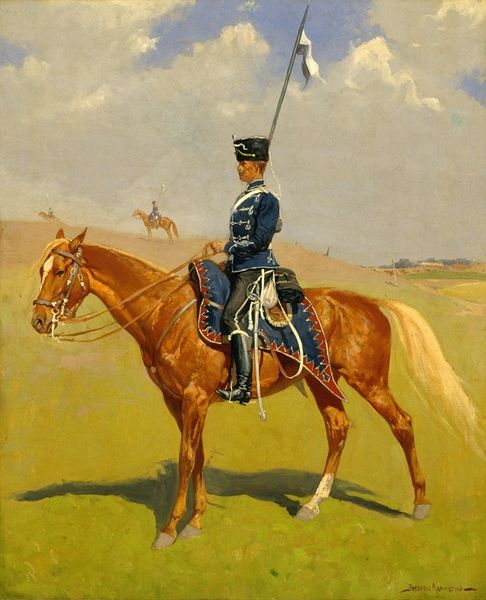
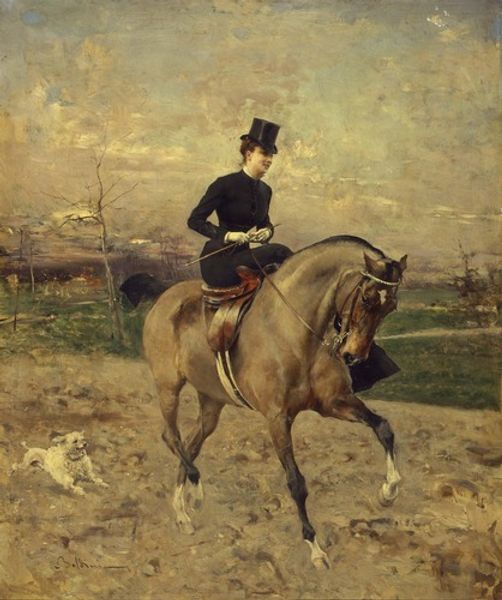
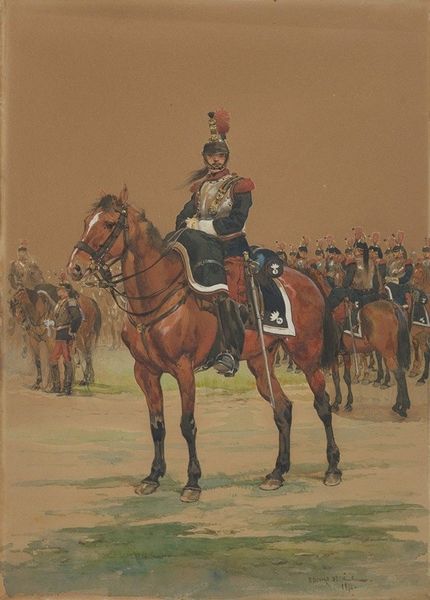
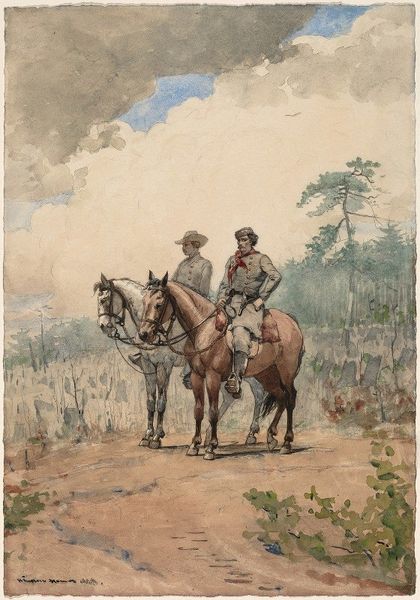
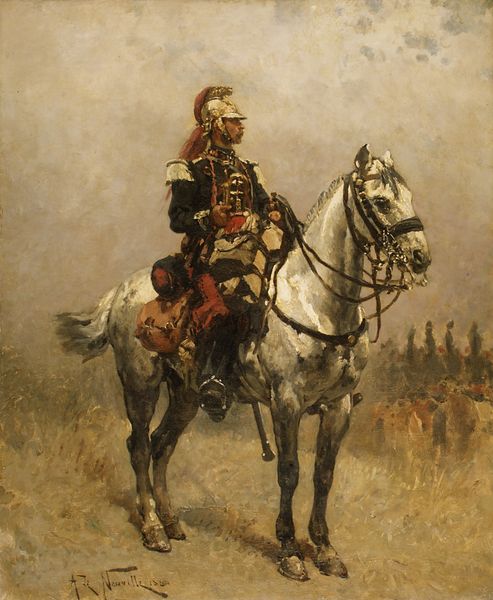
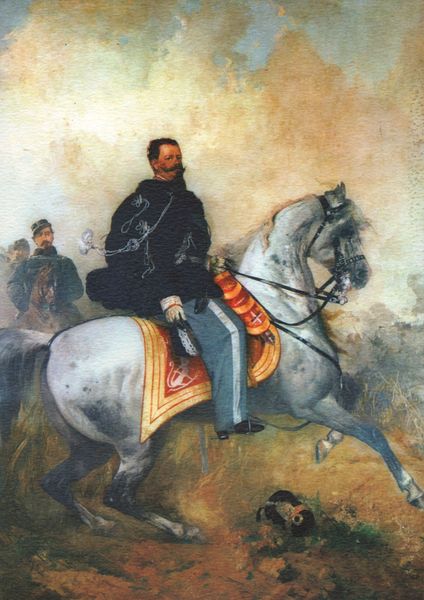
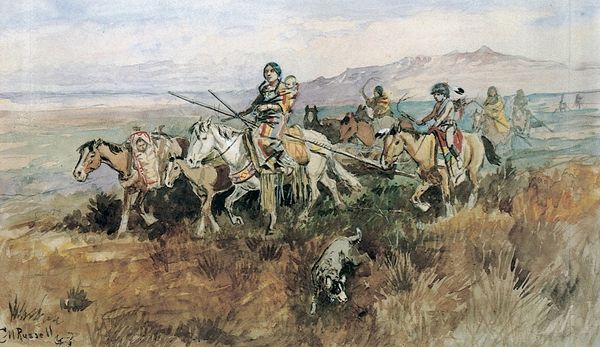
George Hendrik Breitner captured these Hussars with oil on canvas. Horsemen, like these Hussars, are more than mere soldiers, aren’t they? They're symbols of power, freedom, and perhaps even recklessness. Think back to ancient friezes of victorious generals on horseback, or consider the classical equestrian statues gracing European capitals. The horseman transcends time, appearing as a motif in diverse cultures—from the nomadic tribes of Central Asia to the knights of medieval Europe. Each depicts a different, yet equally powerful, vision of the rider as a figure of authority and strength. The horse itself is a symbol deeply rooted in our collective psyche. It embodies untamed nature but also loyalty and partnership when paired with a rider. This partnership invokes a shared destiny, a deep psychological bond that ignites feelings of adventure and the thrill of the unknown. Breitner's "Hussars" evokes such emotions. It stirs something primal within us—a longing for movement, for conquest, for that symbiotic connection between man and beast. It reminds us that history, culture, and emotion intertwine to shape how we perceive and feel art.