About this artwork
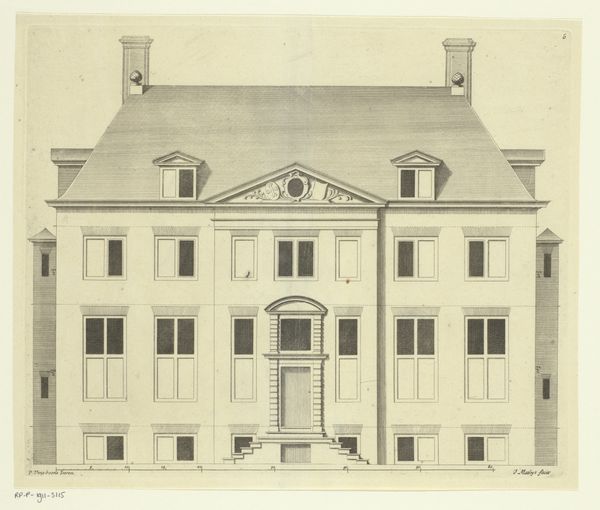
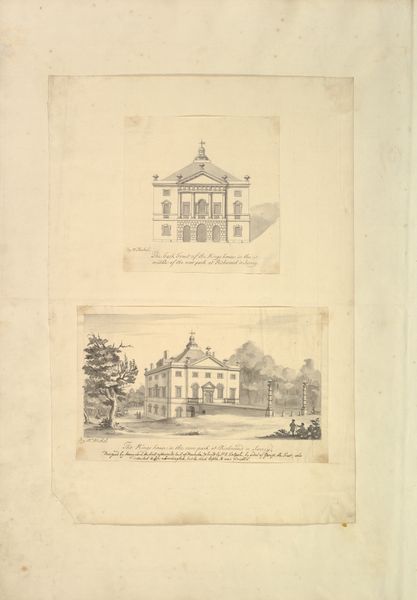
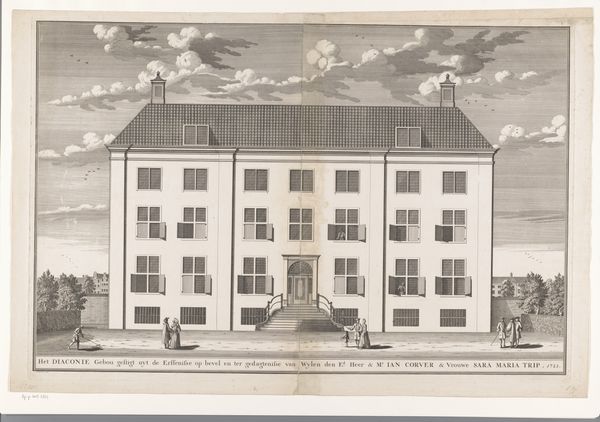
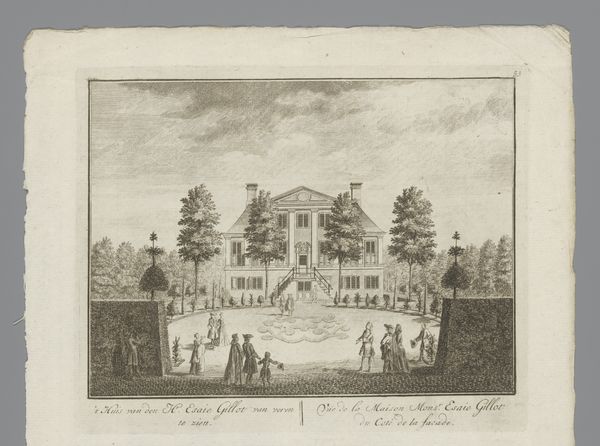
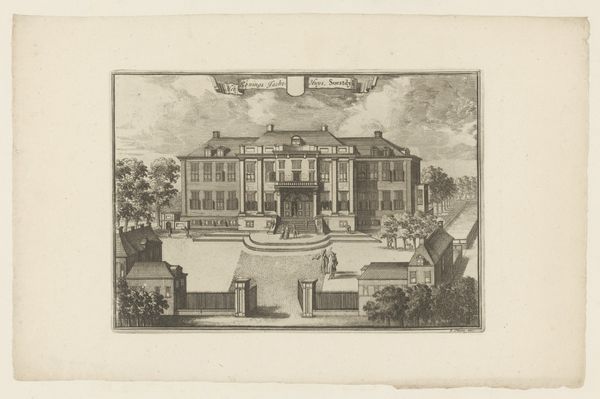
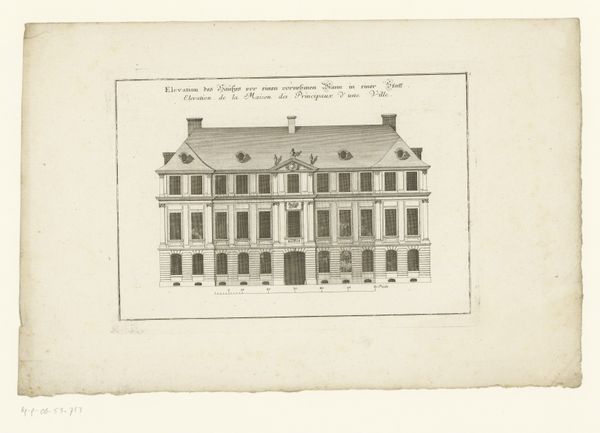
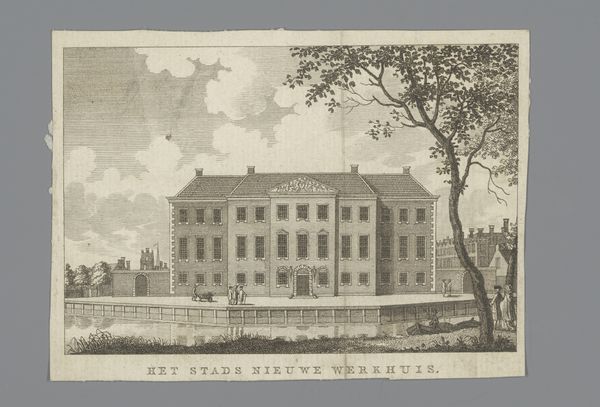
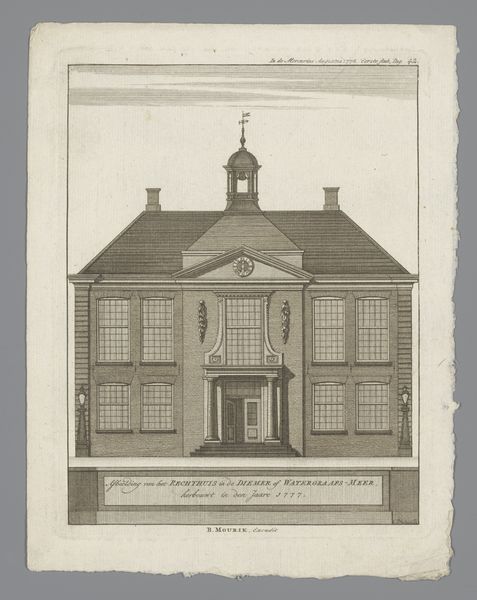
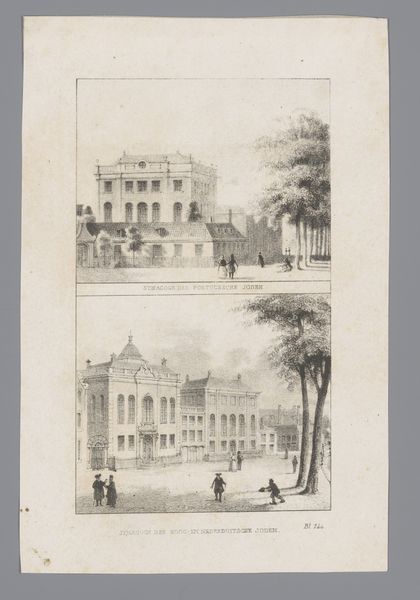
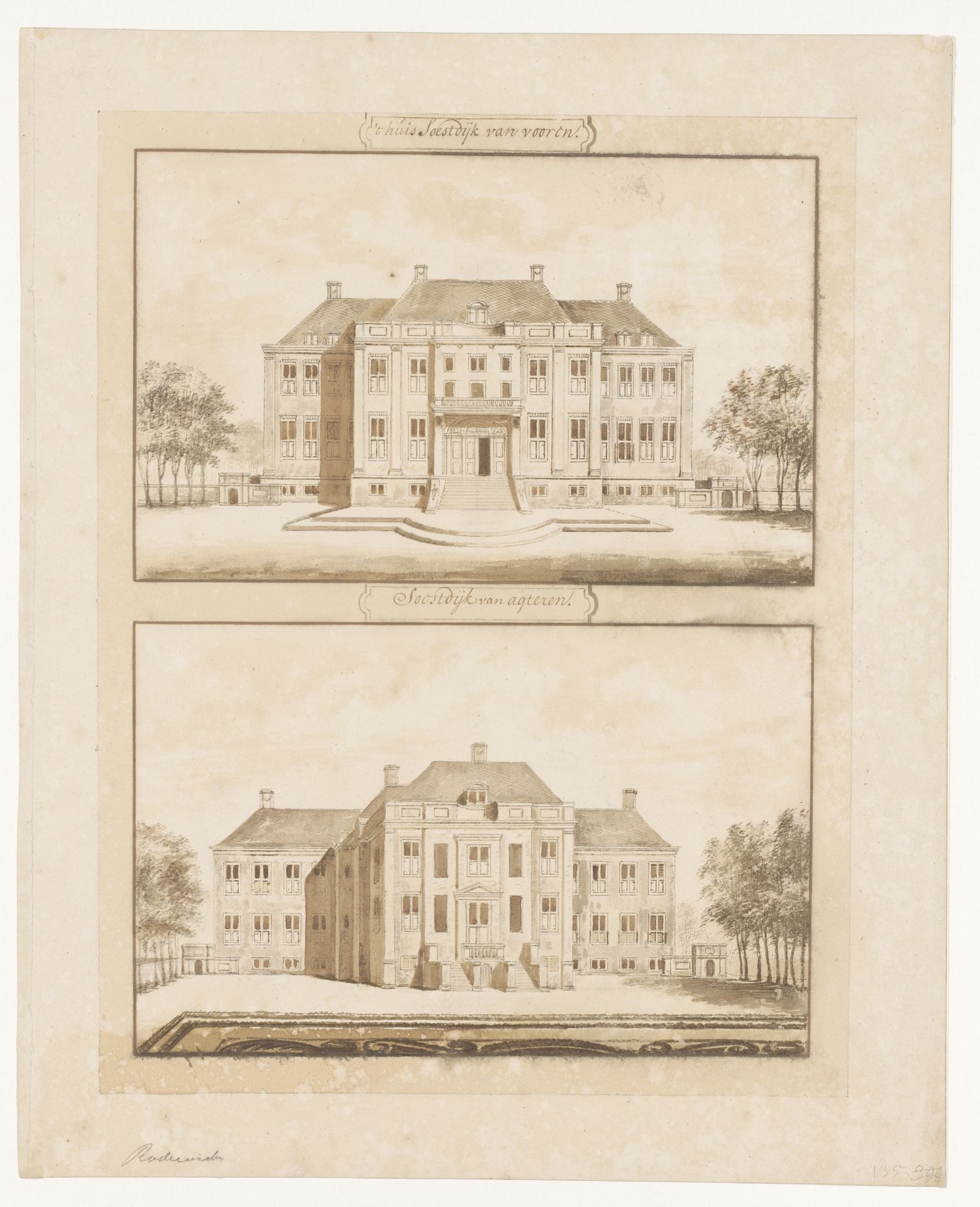
Abraham Rademaker made this drawing of Huis Soestdijk using pen and brown ink with brown wash, sometime between 1700 and 1735. The sepia tones lend the drawing a formal, architectural feel. The front and back views of the manor house are presented as if they are a set of blueprints, or technical drawings. In fact, this type of drawing was known as a 'Gezicht', or 'view', and was a popular way for artists to document buildings and landscapes at the time. But it's the very laboriousness of this drawing that’s significant. Each careful stroke with the pen creates a sense of detail and precision that elevates the subject beyond a mere building, to a symbol of wealth and power, of the landed aristocracy. The artist's work parallels that of the construction workers who originally built the manor itself, brick by brick. So next time you look at a drawing, don't just see the image; consider the hand, the labor, and the social context behind it.
Huis Soestdijk, van voren en van achteren gezien
1685 - 1735

Abraham Rademaker
1675 - 1735Location
RijksmuseumArtwork details
- Medium
- drawing, paper, watercolor, ink, architecture
- Dimensions
- height 410 mm, width 330 mm
- Location
- Rijksmuseum
- Copyright
- Rijks Museum: Open Domain
Tags
Comments
Share your thoughts
About this artwork
Abraham Rademaker made this drawing of Huis Soestdijk using pen and brown ink with brown wash, sometime between 1700 and 1735. The sepia tones lend the drawing a formal, architectural feel. The front and back views of the manor house are presented as if they are a set of blueprints, or technical drawings. In fact, this type of drawing was known as a 'Gezicht', or 'view', and was a popular way for artists to document buildings and landscapes at the time. But it's the very laboriousness of this drawing that’s significant. Each careful stroke with the pen creates a sense of detail and precision that elevates the subject beyond a mere building, to a symbol of wealth and power, of the landed aristocracy. The artist's work parallels that of the construction workers who originally built the manor itself, brick by brick. So next time you look at a drawing, don't just see the image; consider the hand, the labor, and the social context behind it.
Comments
Share your thoughts