c. 1770
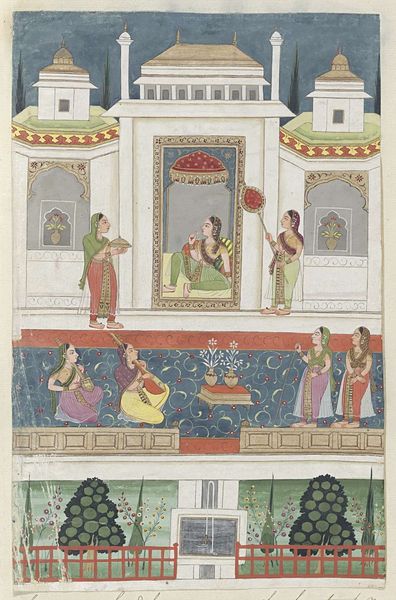
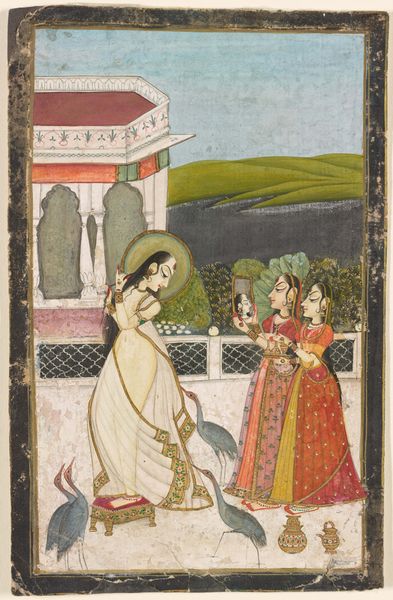
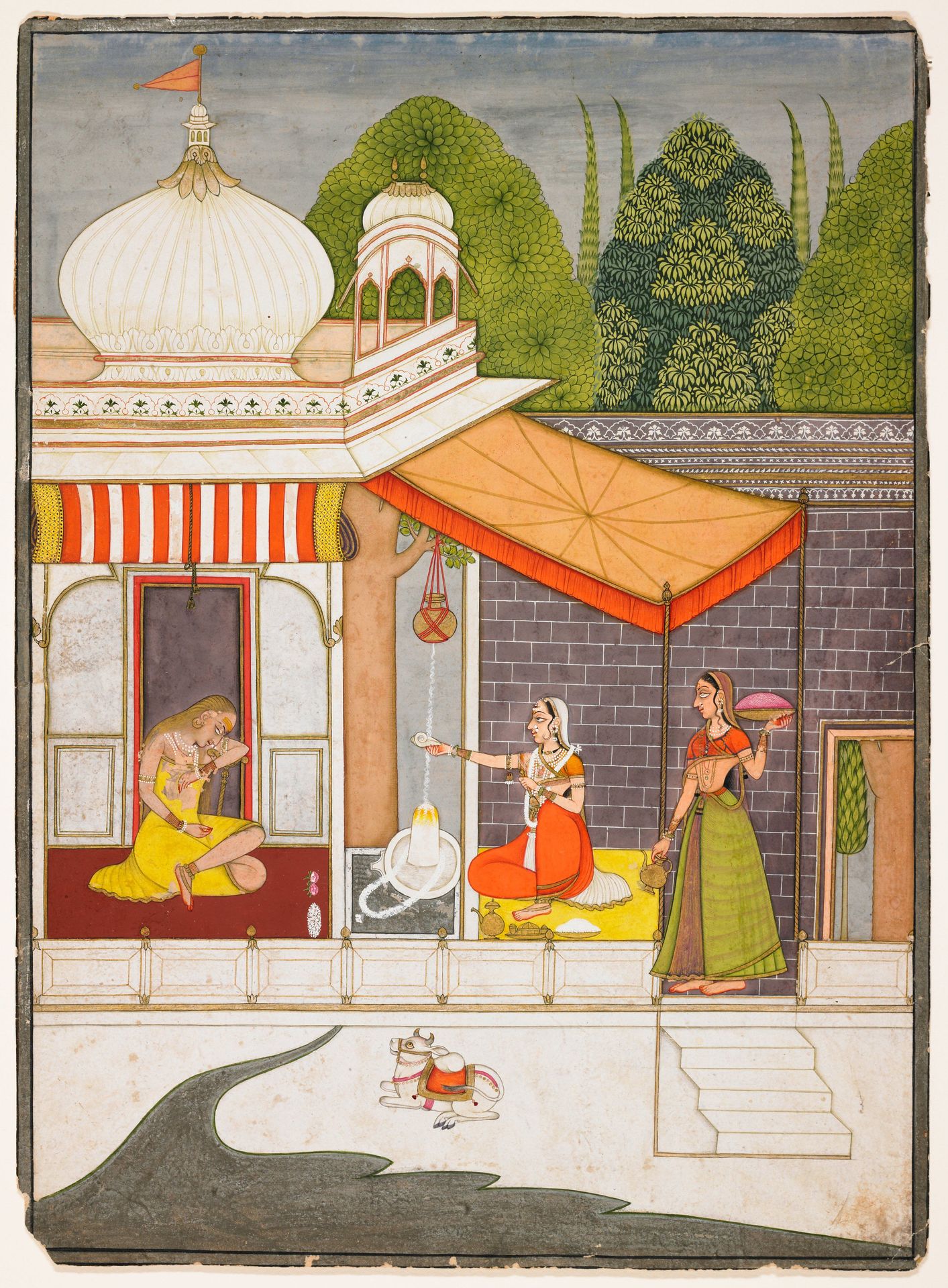
Bhairavi Ragini in Attitude of Renunciation with Ladies-in-Waiting


Listen to curator's interpretation
Curatorial notes
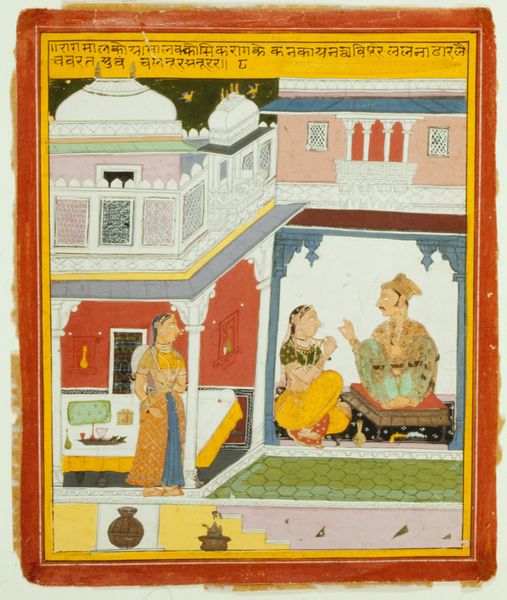
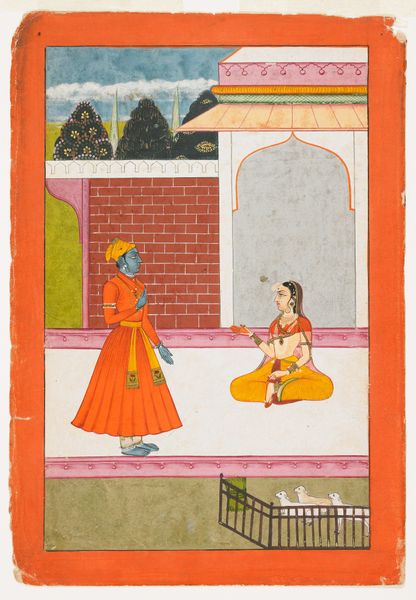
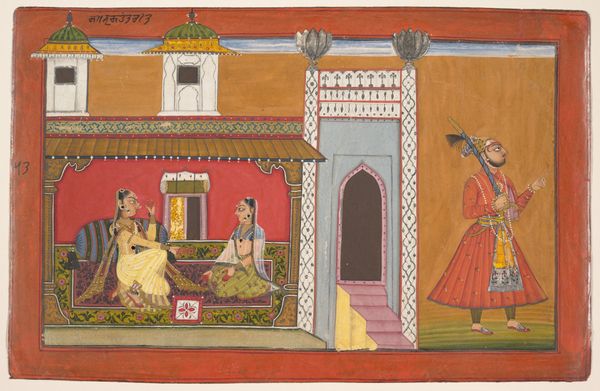
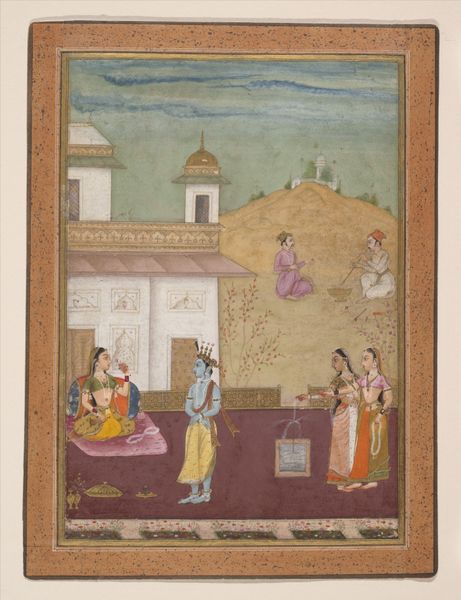
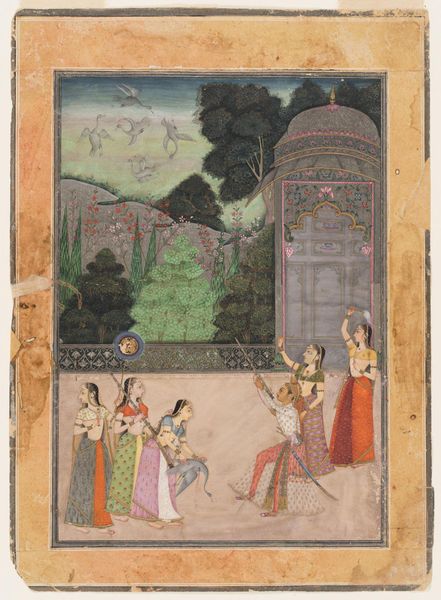
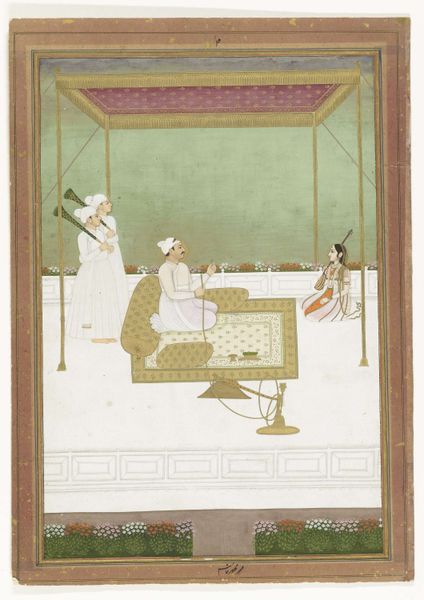
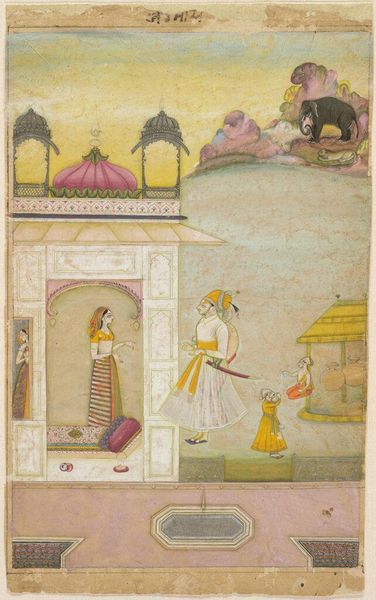
This is a watercolor on paper painting depicting Bhairavi Ragini with ladies-in-waiting. We are witnessing a scene of renunciation, rich with cultural meaning. Created in India, paintings like this one emerged from artistic workshops tied to royal courts. The patronage of rulers shaped the themes and styles of the artwork. This is the cultural and institutional history of the Rajput painting. The image creates meaning through visual codes, cultural references, and historical associations. The pavilion setting evokes the world of the court, while Bhairavi's actions signal detachment. The image invites contemplation on worldly life and spiritual pursuit. To fully understand this work, we would need to look into the history of the Ragamala tradition of painting, and also understand the socio-political context of the Rajput courts. Art historical research helps us see the painting as more than just an aesthetic object. Rather, it is a product of the social conditions of its time.