About this artwork
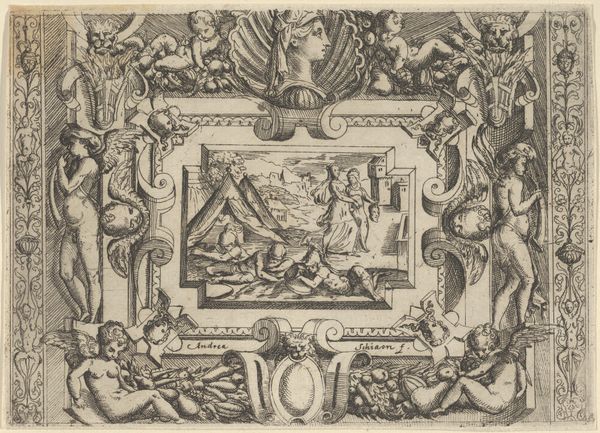
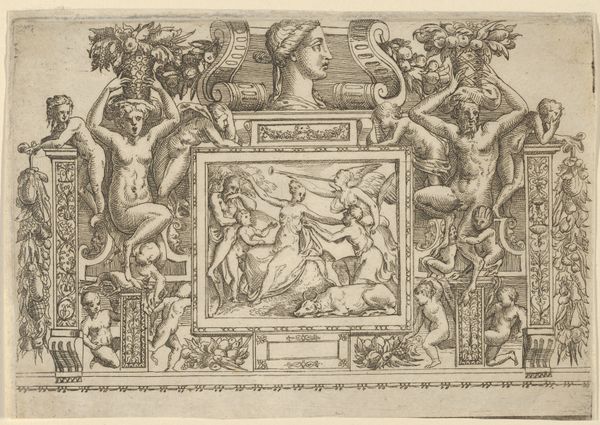
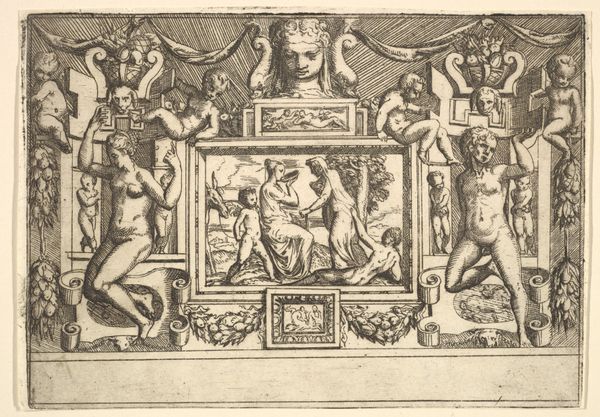
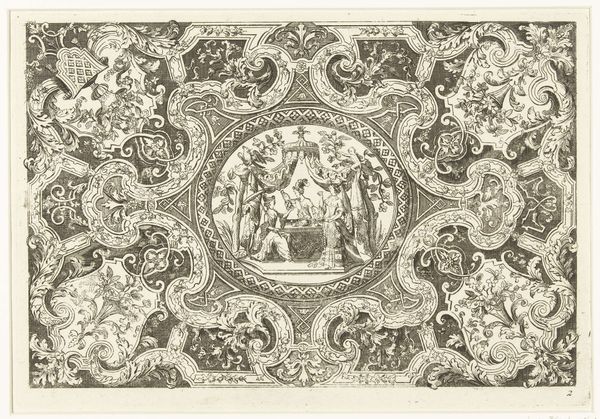
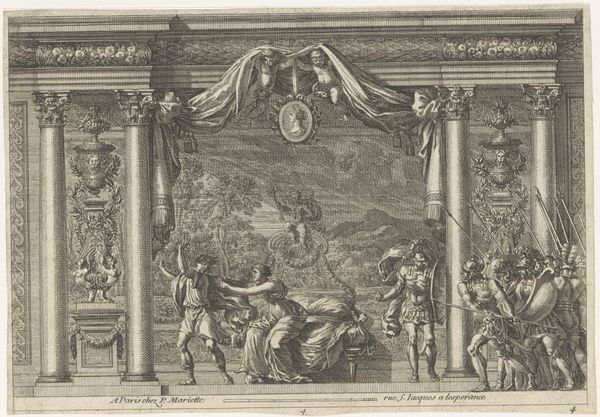
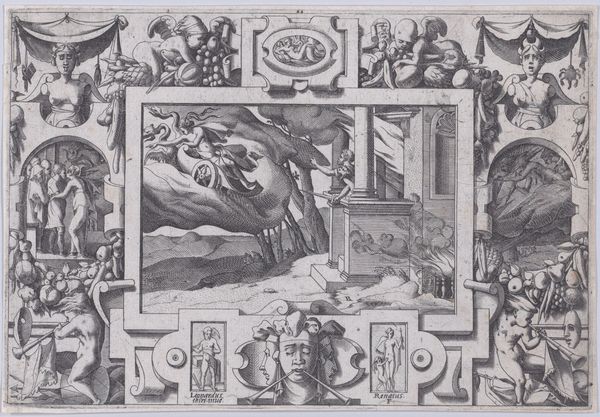
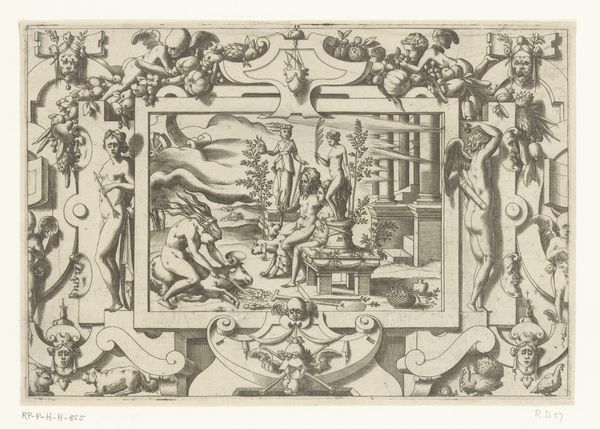
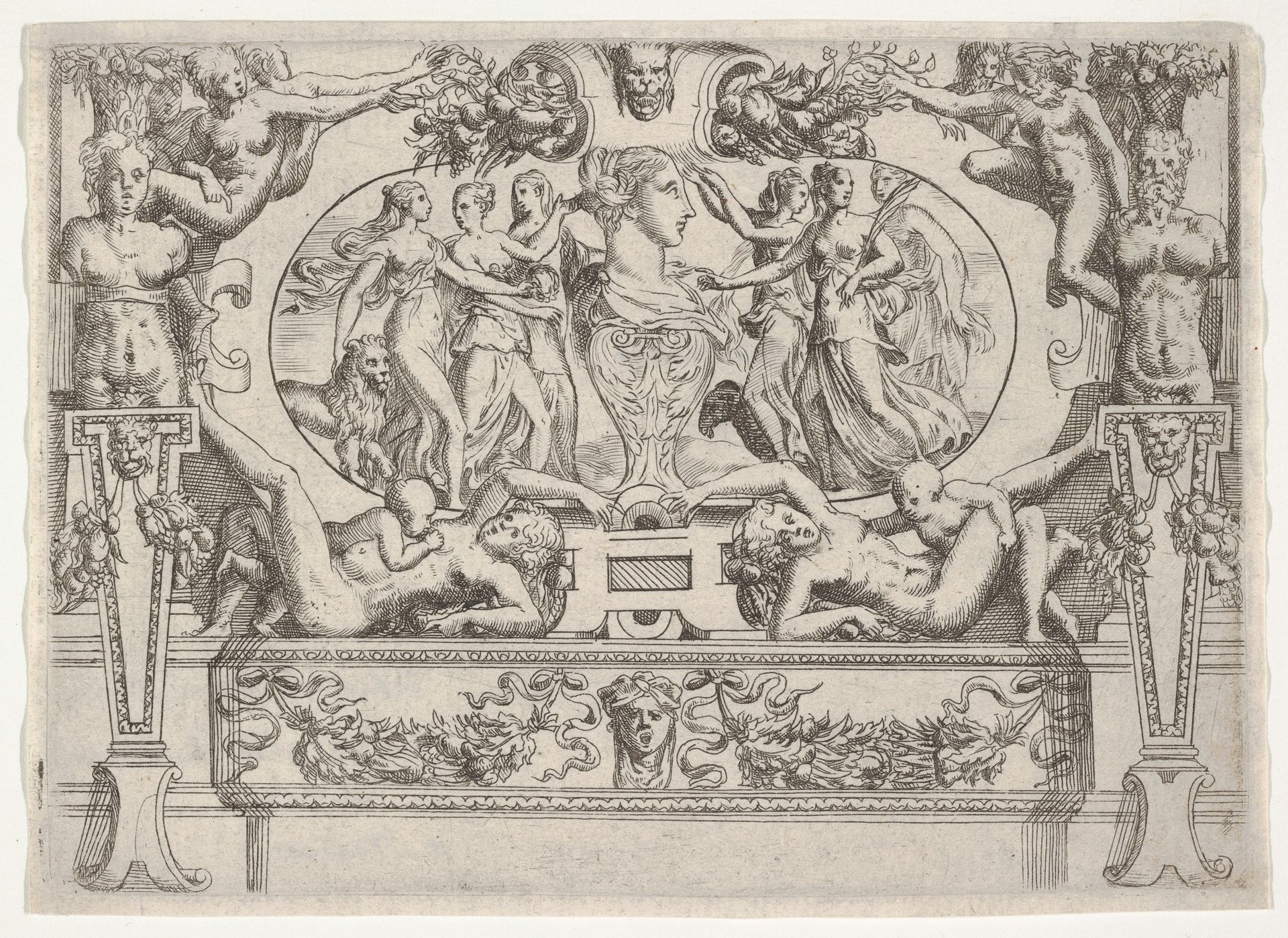
This engraving, Bust of a Woman Flanked by Three Women on Each Side, set within an Elaborate Frame, was made by Battista Angolo del Moro in the 16th century. The composition teems with figures meticulously arranged within a decorative framework, rendered with fine lines and intricate details. The central bust is framed by swirling drapery and flanked by groups of female figures, creating a dynamic interplay of movement and stillness. The overall effect is one of abundance and opulence, yet the tightly controlled lines and symmetrical arrangement impose a sense of order on the scene. This tension between exuberance and constraint speaks to the complexities of Renaissance aesthetics, where classical ideals of harmony and proportion were often tempered by a taste for elaborate ornamentation. The print invites us to consider how meaning is constructed through visual elements, offering a glimpse into the cultural codes and artistic conventions of the period. Its formal qualities reveal not just the artist's technical skill but also the intellectual currents that shaped artistic production.
Bust of a woman flanked by three women on each side, set within an elaborate frame
1535 - 1580

Battista Angolo del Moro
1515 - 1573
The Metropolitan Museum of Art
Metropolitan Museum of Art, New York, NYArtwork details
- Medium
- drawing, print, engraving
- Dimensions
- Plate: 4 15/16 x 6 15/16 in. (12.6 x 17.6 cm) Sheet: 5 1/4 x 7 3/16 in. (13.3 x 18.3 cm)
- Location
- Metropolitan Museum of Art, New York, NY
- Copyright
- Public Domain
Tags
Comments
Share your thoughts
About this artwork
This engraving, Bust of a Woman Flanked by Three Women on Each Side, set within an Elaborate Frame, was made by Battista Angolo del Moro in the 16th century. The composition teems with figures meticulously arranged within a decorative framework, rendered with fine lines and intricate details. The central bust is framed by swirling drapery and flanked by groups of female figures, creating a dynamic interplay of movement and stillness. The overall effect is one of abundance and opulence, yet the tightly controlled lines and symmetrical arrangement impose a sense of order on the scene. This tension between exuberance and constraint speaks to the complexities of Renaissance aesthetics, where classical ideals of harmony and proportion were often tempered by a taste for elaborate ornamentation. The print invites us to consider how meaning is constructed through visual elements, offering a glimpse into the cultural codes and artistic conventions of the period. Its formal qualities reveal not just the artist's technical skill but also the intellectual currents that shaped artistic production.
Comments
Share your thoughts