About this artwork
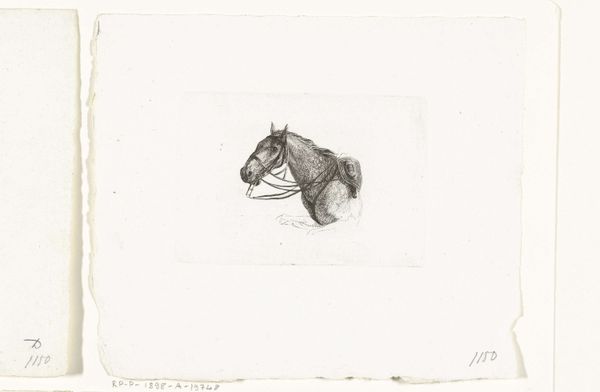
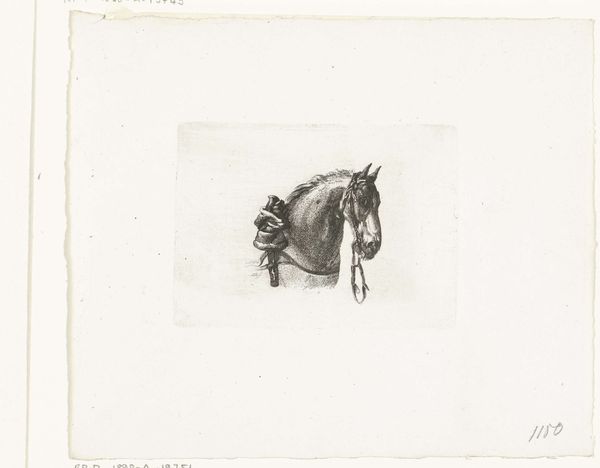
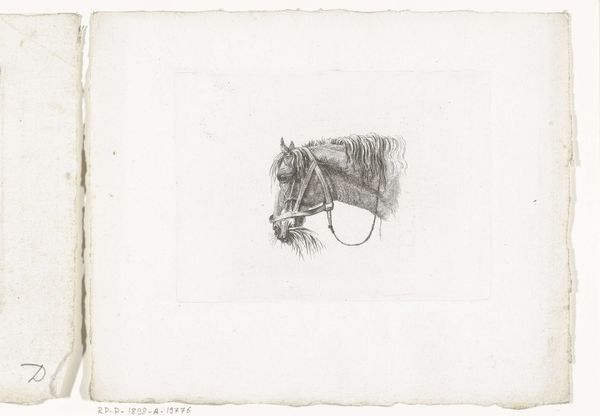
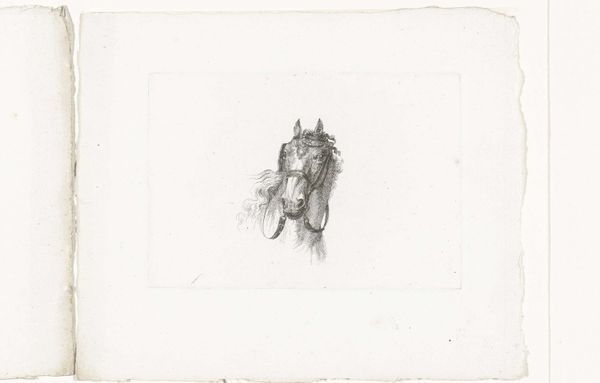
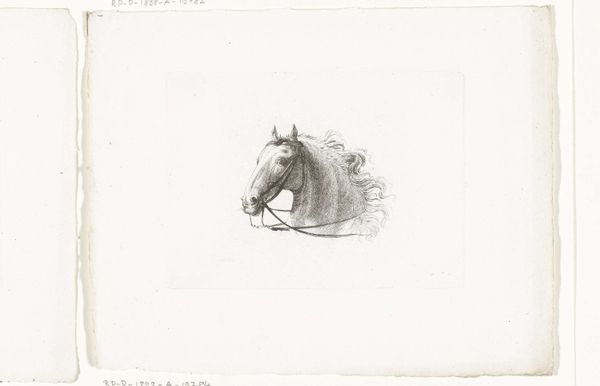
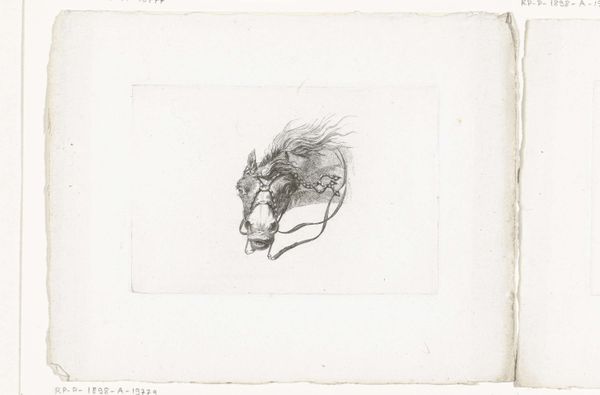
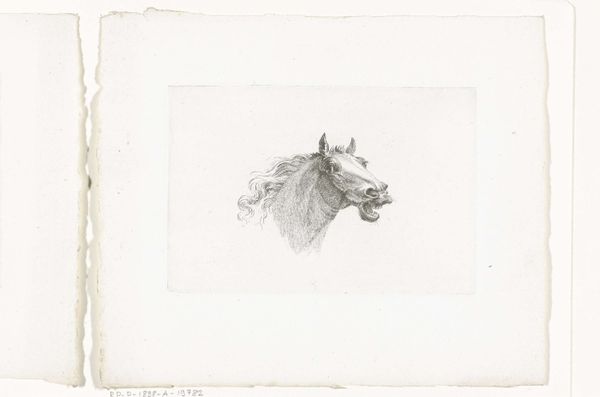
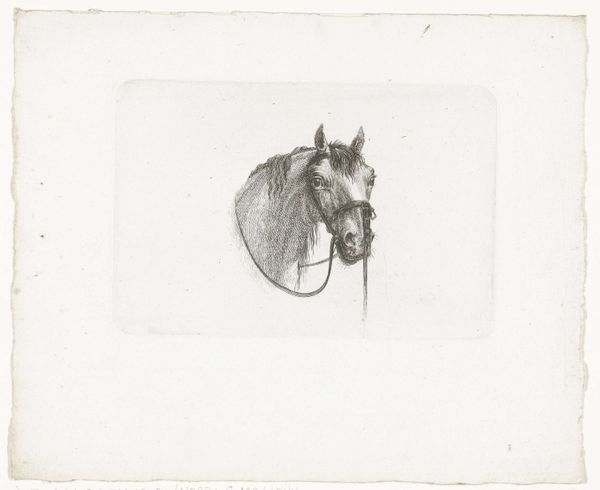
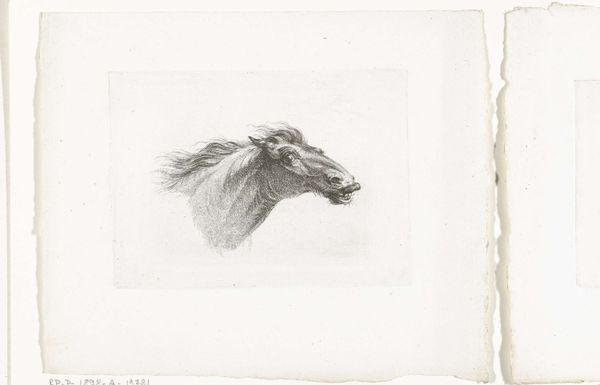
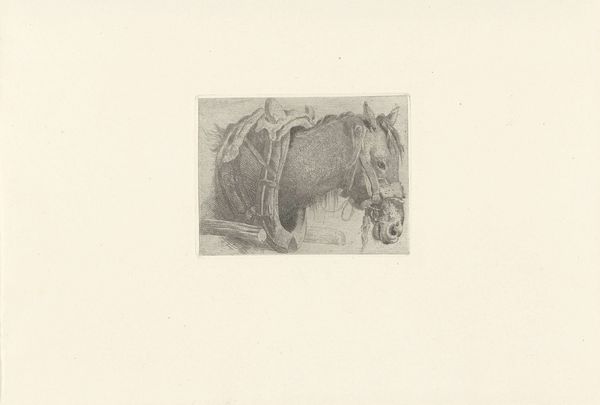
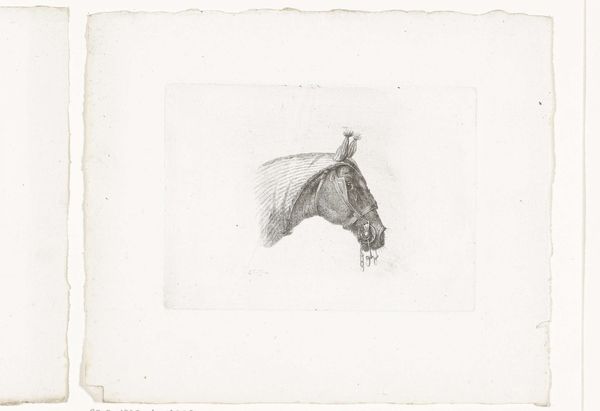
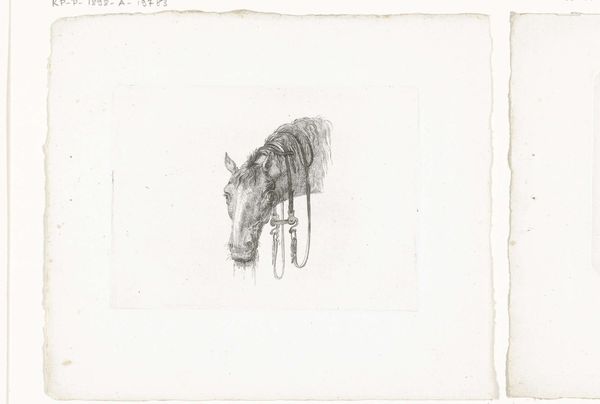
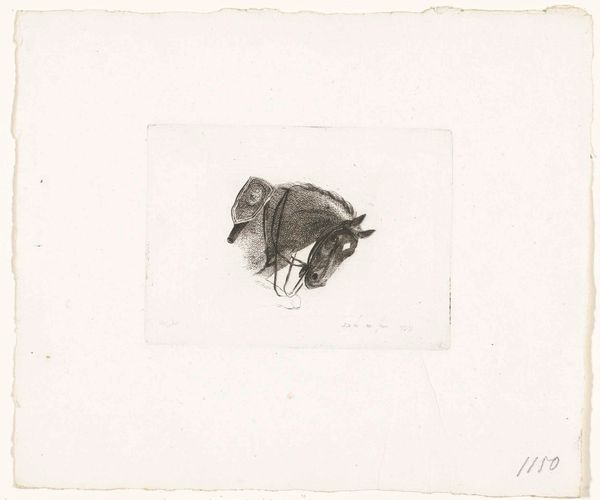
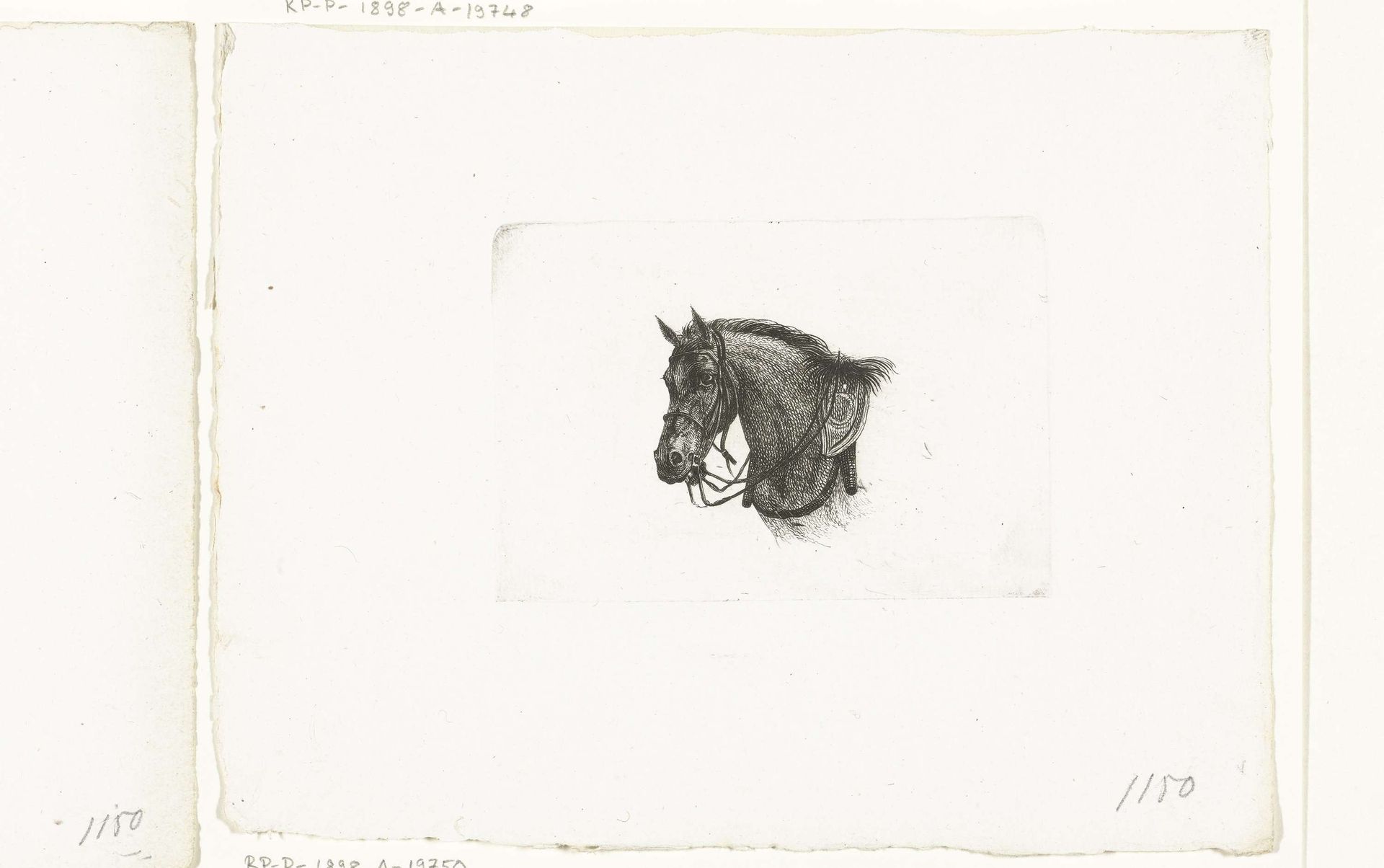
This delicate image of a horse’s head was created by Joannes Bemme, an artist active in the late 18th and early 19th centuries. It's made using etching, a printmaking technique which involves biting lines into a metal plate with acid, inking the plate, and then running it through a press. What interests me most is the level of skill required to produce such fine detail. Look closely, and you can see the texture of the horse’s coat, the subtle play of light and shadow, the intricate details of the bridle. To achieve this, Bemme would have needed years of training, mastering the alchemical process of etching as well as the artistic skill of drawing. Consider the social context, too. Horses were essential for transport, agriculture, and warfare in Bemme's time. The careful attention paid to this animal speaks to its importance in society. By appreciating the labor and skill involved in its creation, we can move beyond traditional notions of fine art and appreciate the broader cultural significance of this print.
Paardenhoofd in lichtgebogen houding naar links
before 1841

Joannes Bemme
1775 - 1841Location
RijksmuseumArtwork details
- Medium
- drawing, ink, pencil
- Dimensions
- height 80 mm, width 115 mm
- Location
- Rijksmuseum
- Copyright
- Rijks Museum: Open Domain
Tags
Comments
Share your thoughts
About this artwork
This delicate image of a horse’s head was created by Joannes Bemme, an artist active in the late 18th and early 19th centuries. It's made using etching, a printmaking technique which involves biting lines into a metal plate with acid, inking the plate, and then running it through a press. What interests me most is the level of skill required to produce such fine detail. Look closely, and you can see the texture of the horse’s coat, the subtle play of light and shadow, the intricate details of the bridle. To achieve this, Bemme would have needed years of training, mastering the alchemical process of etching as well as the artistic skill of drawing. Consider the social context, too. Horses were essential for transport, agriculture, and warfare in Bemme's time. The careful attention paid to this animal speaks to its importance in society. By appreciating the labor and skill involved in its creation, we can move beyond traditional notions of fine art and appreciate the broader cultural significance of this print.
Comments
Share your thoughts