1675 - 1737
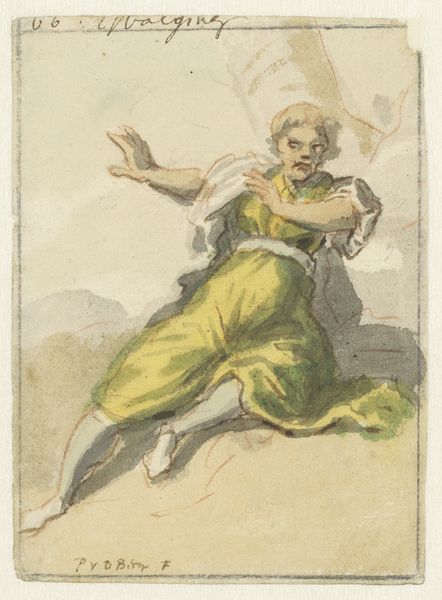
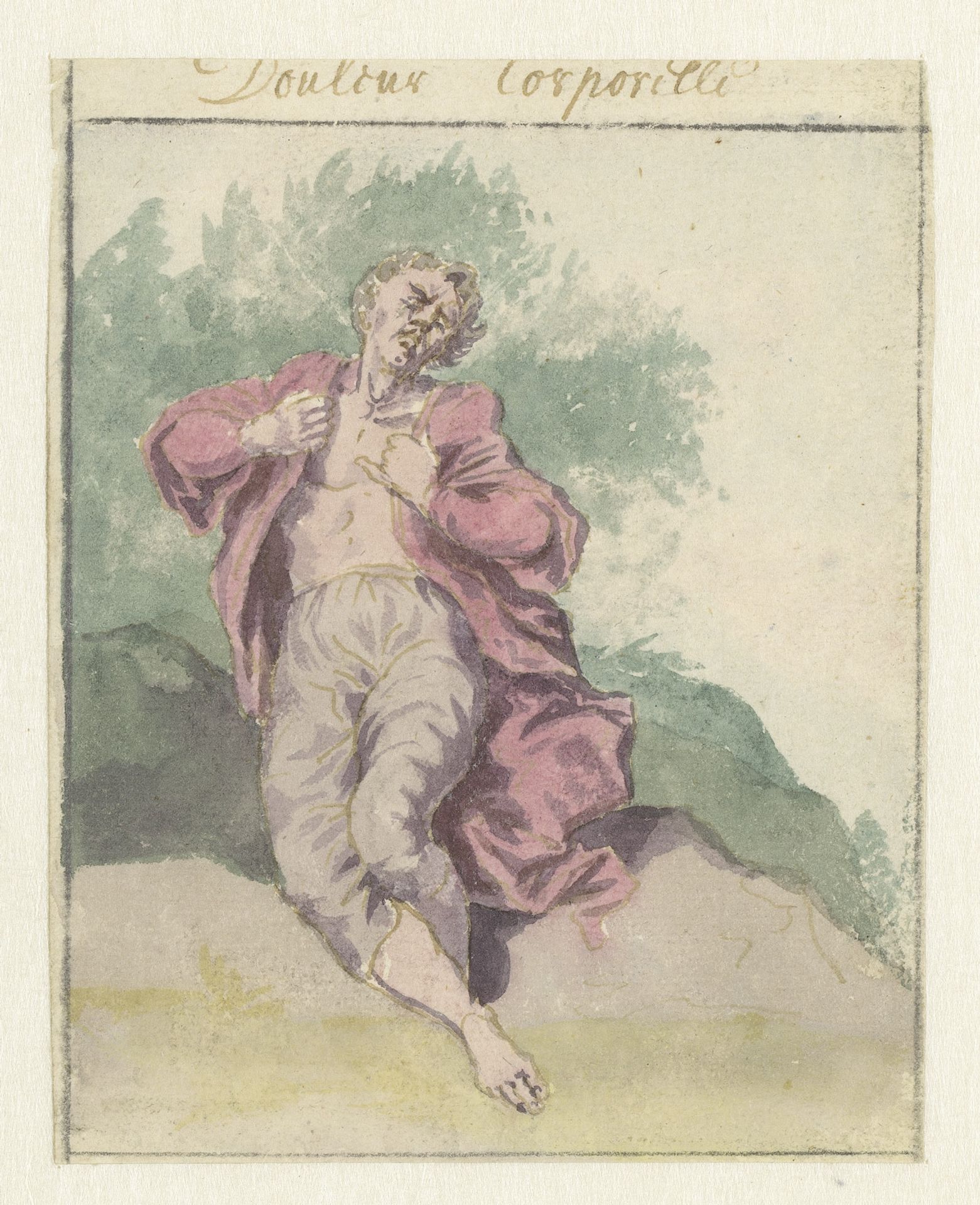
Lichaamssmart

Pieter van den Berge
1659 - 1737Location
RijksmuseumListen to curator's interpretation
Curatorial notes
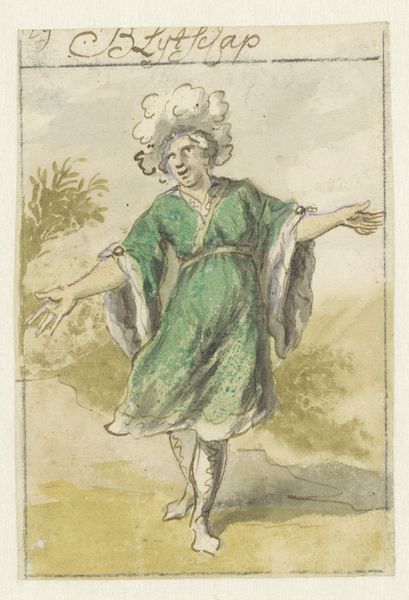
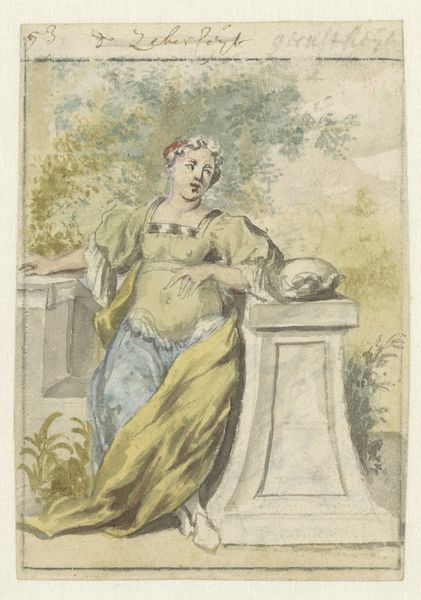
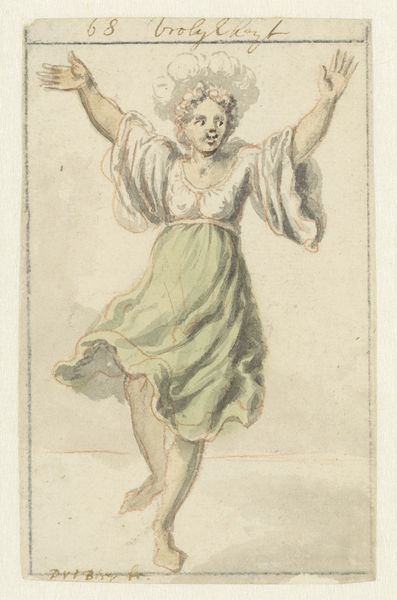
Pieter van den Berge created this watercolor titled "Lichaamssmart," or "bodily pain," on paper, sometime between the late 17th and early 18th centuries. Van den Berge applied thin washes of pigment to the paper, using the support’s absorbency to create soft, blended forms. You can see this particularly in the figure's robe and the suggestive landscape. The choice of watercolor, a medium prized for its delicacy and portability, speaks to a culture of travel and leisure. The artist engaged with traditions of academic drawing, landscape painting, and human figure studies. But he did so on a modest scale, emphasizing the artist's direct touch. Consider the labor involved in producing the paper and pigments, and in the artist's training and practice. Van den Berge’s "Lichaamssmart" encapsulates the intersection of skill, material, and cultural value in the creation of art. By considering these aspects, we can understand how it blurs the boundaries between craft, design, and fine art.