About this artwork
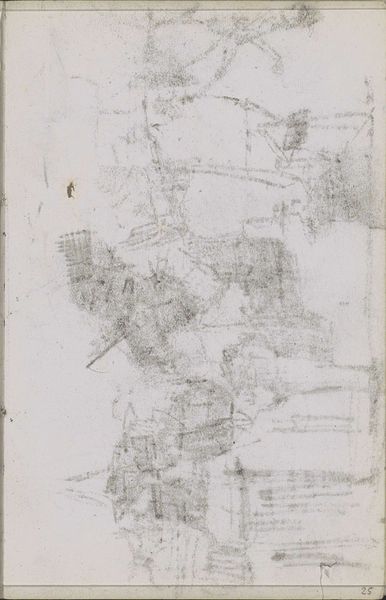
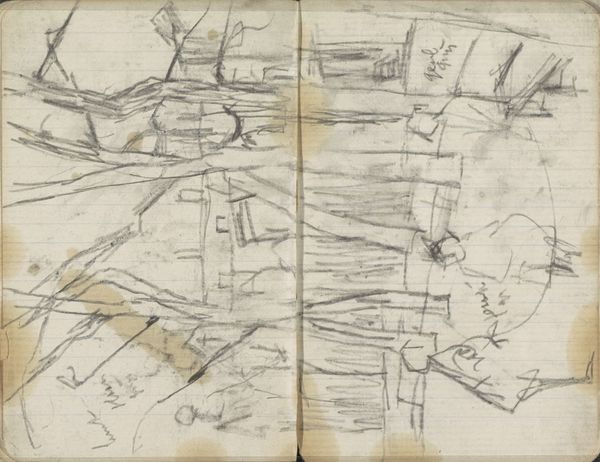
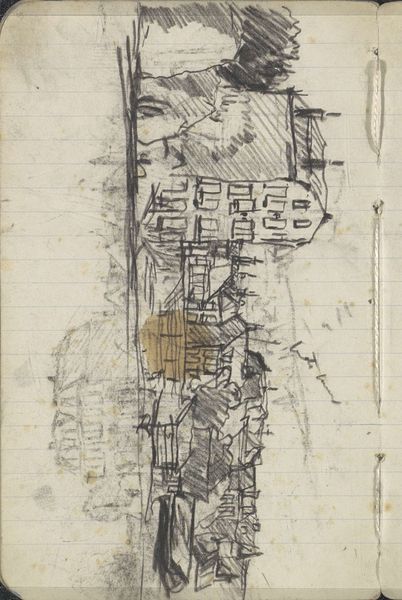
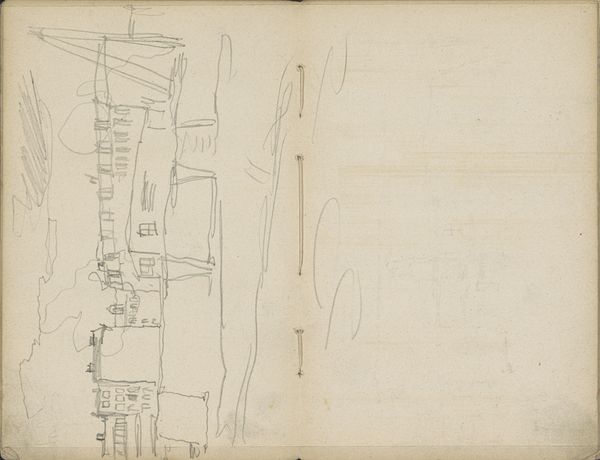
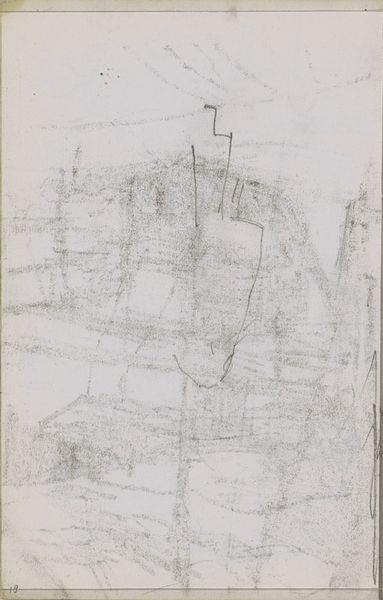
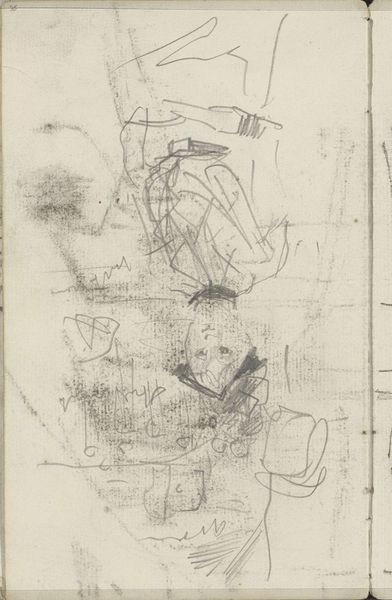
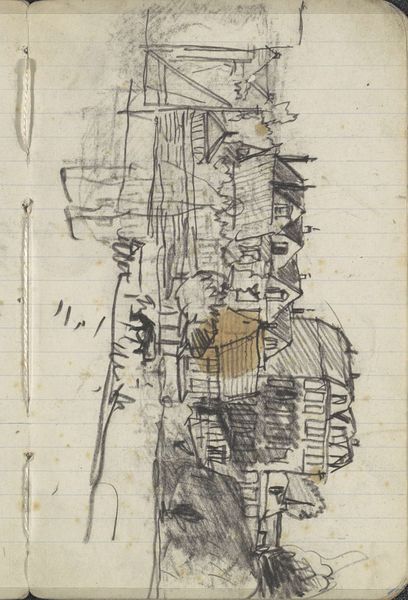
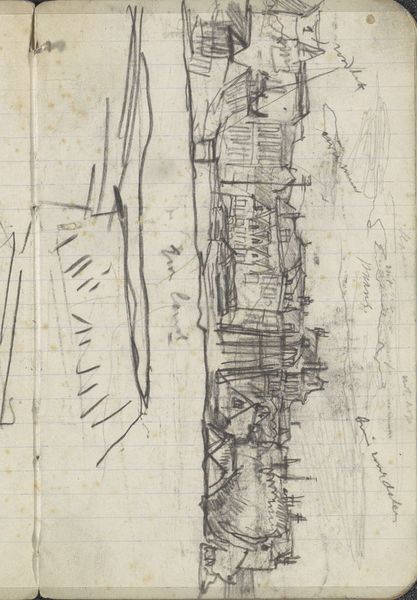
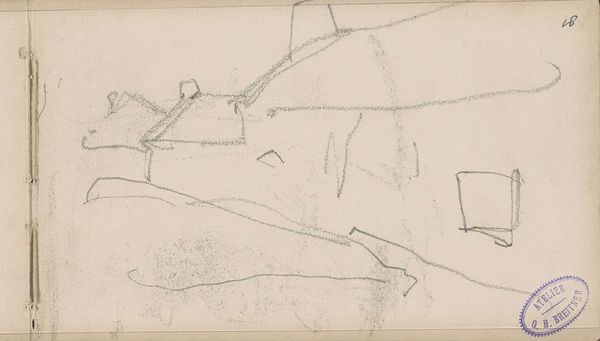
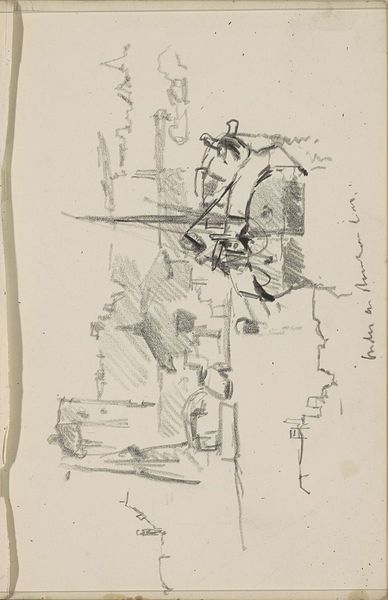
This is a pencil drawing of the Rokin canal in Amsterdam by George Hendrik Breitner. As a sketch, this work gives us an insight into the artist's process in turn-of-the-century Holland, and the institutional frameworks that supported it. Breitner was known for his gritty depictions of urban life, a stark contrast to the idealized landscapes of the Dutch Golden Age. Here, the Rokin, once a bustling waterway, is rendered with quick, gestural lines, capturing the frenetic energy of a modernizing city. Breitner's approach reflects a shift in artistic values, where the everyday experiences of the working class became worthy subjects. This can be seen as a critique of the established art world, which had long favored historical or mythological themes. To understand Breitner's work fully, we need to explore the social and economic conditions of his time through archives, newspapers, and other visual material, and the institutions such as art academies and societies, that shaped his career and the reception of his art.
Gezicht op het Rokin te Amsterdam
1896 - 1901

George Hendrik Breitner
1857 - 1923Location
RijksmuseumArtwork details
- Location
- Rijksmuseum
- Copyright
- Rijks Museum: Open Domain
Comments
Share your thoughts
About this artwork
This is a pencil drawing of the Rokin canal in Amsterdam by George Hendrik Breitner. As a sketch, this work gives us an insight into the artist's process in turn-of-the-century Holland, and the institutional frameworks that supported it. Breitner was known for his gritty depictions of urban life, a stark contrast to the idealized landscapes of the Dutch Golden Age. Here, the Rokin, once a bustling waterway, is rendered with quick, gestural lines, capturing the frenetic energy of a modernizing city. Breitner's approach reflects a shift in artistic values, where the everyday experiences of the working class became worthy subjects. This can be seen as a critique of the established art world, which had long favored historical or mythological themes. To understand Breitner's work fully, we need to explore the social and economic conditions of his time through archives, newspapers, and other visual material, and the institutions such as art academies and societies, that shaped his career and the reception of his art.
Comments
Share your thoughts